UC student works on millirobot for cancer detection

Science and engineering drive cancer treatment strategies. Whether it's radiology or nanotechnology, finding and treating cancer cells can be a difficult task. One solution for localized cancer and tumor treatments involves the use of millirobots.
These robots are capable of performing tasks at the nano or macro-level that would be impractical or impossible otherwise. Though minimally invasive treatments, like using gold nanoparticles, are effective in some medical treatments, these nanotechnologies have limitations. They are hard to control, may have negative side effects and don’t always operate through a direct line of communication.
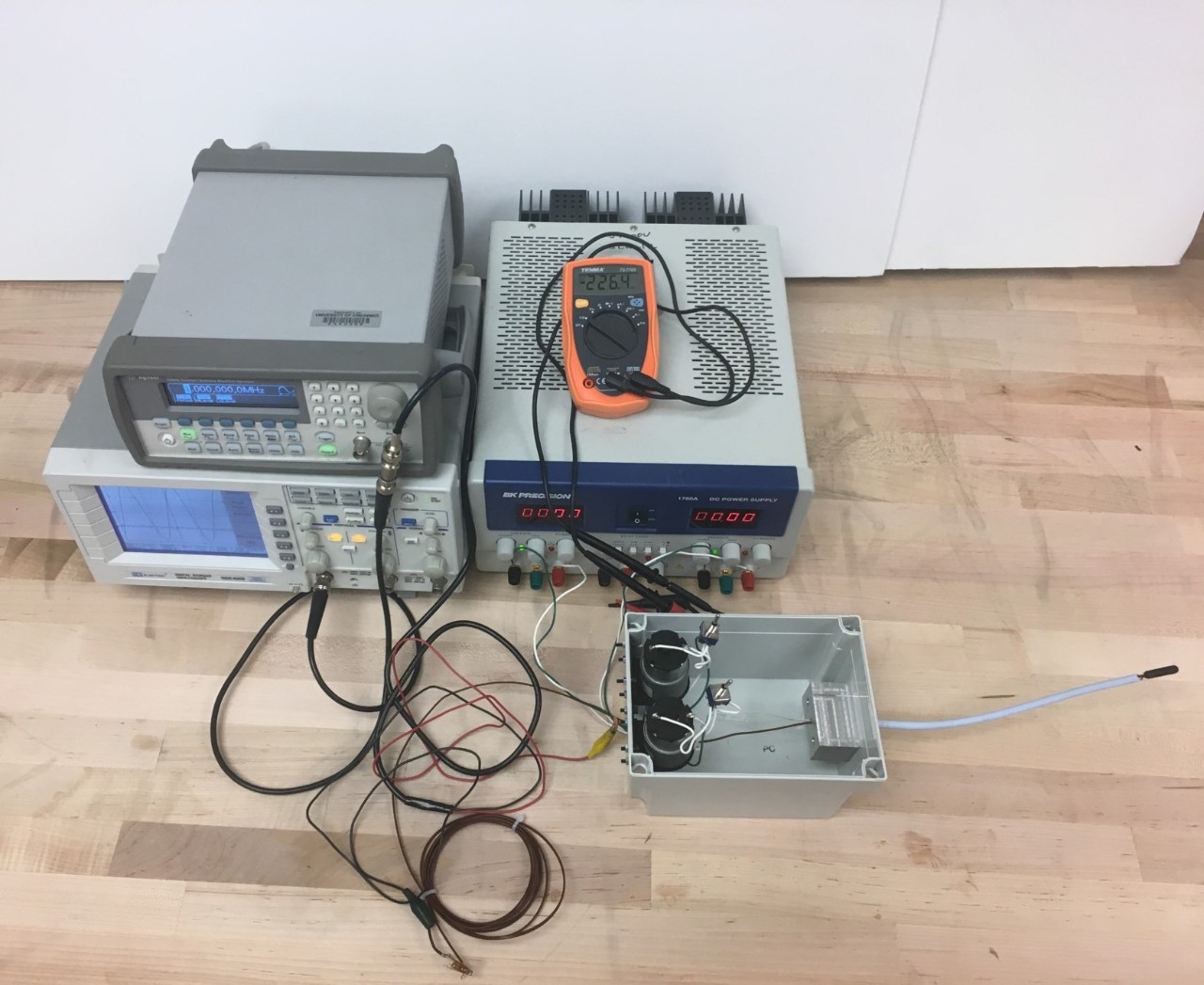
Millirobots, however, operate through motors and switches, connect to a power supply and are large enough to perform certain medical procedures that are otherwise complicated by nanotechnology. Whereas nanoparticles can get clogged between joints, millirobots can seamlessly move between tissues.
University of Cincinnati student Griffin Wagner (mechanical engineering ’22) spent this summer working on a universal millirobot project. His adviser and mechanical engineering professor Mark Schulz, Ph.D., tasked him with building a prototype that could be easily and cost-effectively manufactured. Wagner is a student in UC's Protégé Undergraduate Research Program, which gives outstanding engineering students the opportunity to conduct research alongside professors the summer after their first year at UC.
“This project sounded like a good opportunity to test and design in a research setting while contributing directly to the medical field,” Wagner said.
The millirobot prototype Wagner worked on uses a flexible tube that is about 7.5 inches long and a quarter-inch in diameter. Carbon nanotube threads wind through holes in the tubing. This design allows for precision and accuracy in steering, as the tube can move by pulling the threads in different directions. The tubing connects to a power supply and a motor with switches, which allows users to control the robot’s navigation within the body. The smooth design also allows navigation without infecting blood or pinching tissues or intestines.
Wagner spent most of the summer working on this steering mechanism. Past teams used magnetics to steer through obstacles or actuators to push through tissues. These solutions, however, did not always have the desired effect. Instead, Wagner chose to use the tube as an appendage that navigated between tissues. The steering, he concluded, was the most difficult part of the whole project.
“The steering was prone to many problems originating from the tendons loosening and getting tangled,” says Wagner. The very size of the prototype presented other complications: “Everything was done by hand, which was extremely difficult when working with smaller parts and smaller areas.”
Ideally, the millirobot could be used not only for diagnosis but also for treatment. By running power through the carbon nanotube threads, users can heat up the robot and begin treatment on specific cells of a cancerous area. Thermocouples, or sensors attached to the nanotubes, measure this heat to ensure safe temperatures. Wagner believes this technology could target disease in multiple areas within the body, such as complications in the intestines, pulmonary embolisms in the heart or even brain tumors such as lipoblastomas.
Though the prototype is already relatively small, future designs will have to be three to seven times smaller, presenting a completely new set of difficulties that will require multiple labs and engineering disciplines, Wagner said.
The Protégé Program and the universal millirobot project gave Wagner valuable lab experience that exposed him to life as a researcher. Projects like these give UC students the practical and professional skills to make a difference in the engineering and medical fields.
Featured image at top: Millirobots operate through motors and switches, connect to a power supply and are large enough to perform certain medical procedures that are otherwise complicated by nanotechnology. Photo/Provided
Become a Bearcat
Apply online or get more information about undergraduate enrollment by calling (513) 556-1100.
Related Stories
UC graduates cross finish line at commencement
August 7, 2026
The University of Cincinnati recognized 2,125 graduates in two ceremonies at summer commencement Friday on campus at Fifth Third Arena.
Memorial Fund reaches $1M
August 6, 2026
Honoring the late Randy Allemang, BSME '72, MS '73, PhD '80, the Randall J. Allemang Endowed Faculty Support Fund at the University of Cincinnati is giving new life to the immeasurable impact Allemang had on the field of structural dynamics. The fund has reached $1 million in donations, making it an official endowed professorship with the UC Foundation.
Everyday guide to AI prompt engineering
August 5, 2026
Prompt engineering can be the difference between strong and poor AI outputs. Success comes from explaining your end goal, breaking down large requests and carefully checking for errors.