Healthline: At-Home COVID-19 test gets FDA warning: What to know
UC infectious disease expert says the biggest risk is a false negative test

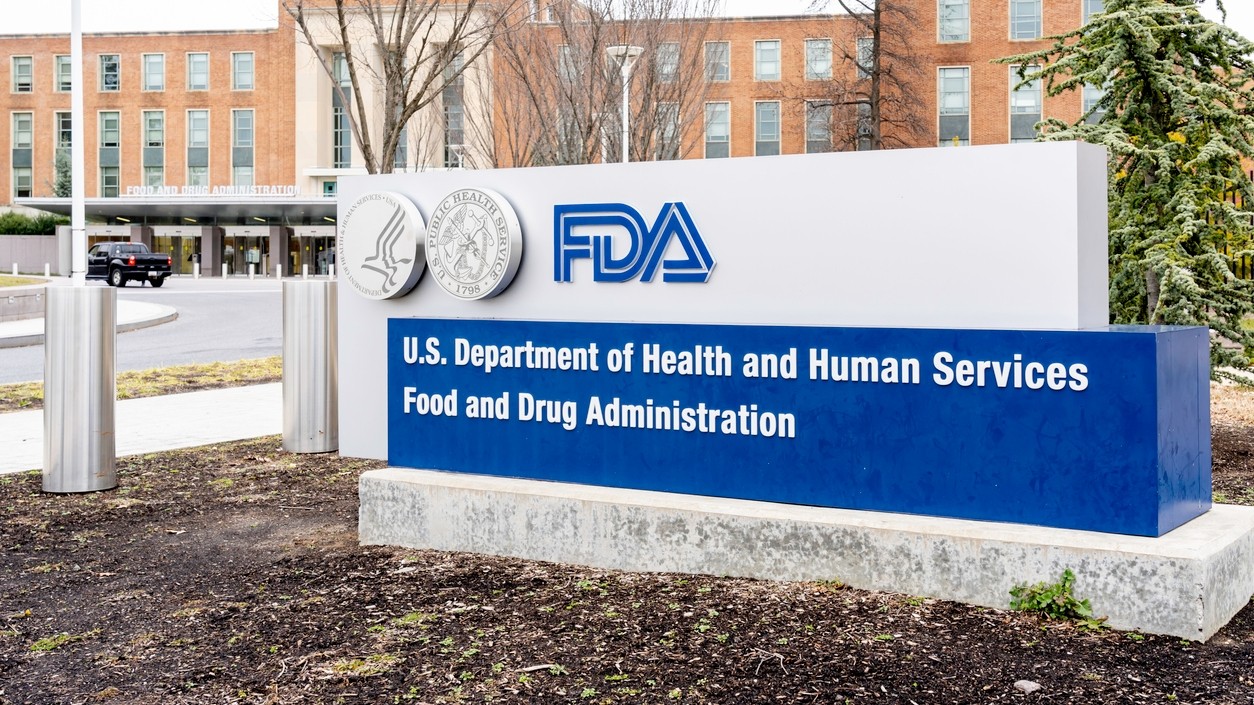
The Food and Drug Administration (FDA) announced recently that people should stop using the E25Bio rapid COVID-19 test. The agency warned that the test contains false labeling and instructions. The manufacturer says the E25Bio test uses a “novel technology” that is more accurate than a PCR test “without the need for equipment and at a fraction of the cost and time.”
However, according to the FDA, this test hasn’t been “authorized, cleared, or approved” by the FDA for distribution or use in the United States and may include false labeling claiming that the test is authorized by the FDA.
In a story published by Healthline, Carl Fichtenbaum, MD, of the Division of Infectious Diseases at the UC College of Medicine was the only expert source cited, saying that in an emergency, manufacturers might rush a product to market and don’t have to deal with full FDA approval.
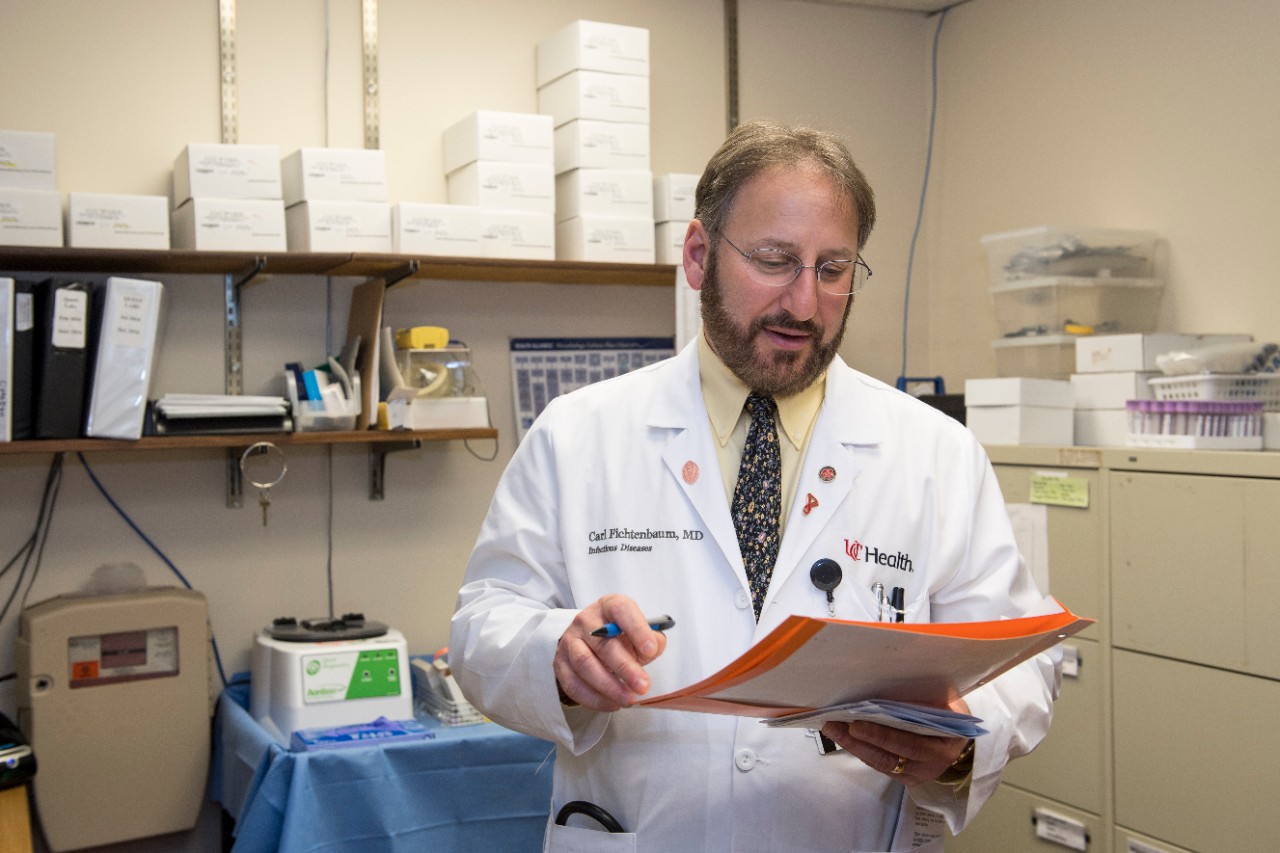
Carl Fichtenbaum, MD, of the Division of Infectious Diseases at the UC College of Medicine/Photo/Colleen Kelley/UC Creative + Brand
“Usually, this is uncommon as most retailers typically sell products that are FDA approved,” he added.
Fichtenbaum explained that the main danger is a false negative test.
“If someone really has COVID, and then assumes they don’t based upon a faulty or inaccurate test, they could infect others and become sicker themselves and not seek medical attention as quickly as they should,” he said.
According to Fichtenbaum, false positives can occur, and this could cause unnecessary concern and worry.
“Also, if people isolate, they might lose income or their job,” he continued.
The dangers associated with taking your own samples aren’t the biggest issue, Fichtenbaum said. The main concern is “inadequate” sample collection.
“People may not swab correctly or collect the right amount of saliva,” he said. “This can lower the effectiveness of the test and provide mostly false-negative results.”
Lead image/Boston 25 News
Next Lives Here
The University of Cincinnati is classified as a Research 1 institution by the Carnegie Commission and is ranked in the National Science Foundation's Top-35 public research universities. UC's medical, graduate and undergraduate students and faculty investigate problems and innovate solutions with real-world impact. Next Lives Here.
Related Stories
Is Cincinnati building new homes fast enough?
September 22, 2026

Gary Painter, professor and academic director of the Real Estate Center at UC's Lindner College of Business, offers comments on affordability issues in Cincinnati.
'Discovery, mentorship, momentum': UC College of Medicine's graduate programs celebrate year of success
September 22, 2026
From new mentorship honors to a growing research pipeline, see how the University of Cincinnati College of Medicine's graduate programs made this a standout year.
Tina Cheng, MD, receives American Academy of Pediatrics’ highest honor
September 22, 2026
UC Pediatrics chair Tina Cheng, MD, has received the American Academy of Pediatrics' highest honor for her decades of advancing child health.