
Webinar: How do I become a more resilient nurse?
UC faculty define resilience, why it's important for nurses and how to cultivate it
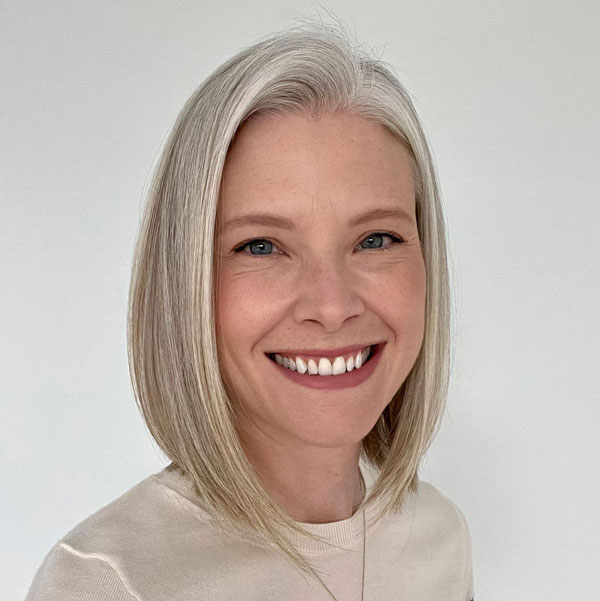
Hellen Keller is quoted as saying, "Although the world is full of suffering, it is also full of the overcoming of it." In a recent webinar, two University of Cincinnati faculty focused on ways nurses can overcome suffering — including burnout and compassion fatigue — through cultivating resilience.
The past couple years, especially, have taken a toll on nurses. Studies show rates of anxiety, depression, substance use disorders, burnout and more have increased amid the pandemic.
"There is a lot of suffering in nursing, and I don't want to minimize that," says Sue Brammer, PhD, RN, CNE, associate professor and co-presenter of the webinar. "But there is a lot of resilience going on, too, and we should be identifying it, celebrating it, cultivating it in ourselves and helping others cultivate it, too."
Brammer and R. Lee Tyson, DNP, DMin, APRN-CNP, PMHNP-BC, FIANN, associate professor and director of UC College of Nursing's Psych-Mental Health online programs, define resilience, explain why it’s important, identify qualities of resilient nurses and discuss ways nurses can become more resilient.
What is resilience and why is it important?
Researchers define resilience as a nurse’s ability to adapt positively to stress and adversity. It’s dynamic, complex and can change over time, Tyson says. Studies show nurses who exhibit stronger resilience are better protected against post-traumatic stress disorder, depression, anxiety, compassion fatigue and burnout. This translates to better patient outcomes, Brammer says.
"When we're burnt out and have compassion fatigue, we avoid patients, we’re cynical, sometimes we even get irritable and angry with patients. Resilience keeps us engaged and connected to patients."
What are some barriers to resilience?
Many factors can inhibit individuals from exhibiting resilience, Tyson says. Some of these include:
- The perception that a situation will last forever
- A lack of work-life balance
- An unsupportive work environment
- Drawing universal negative conclusions
- Compassion fatigue
- Social isolation
- Overexposure to stressful events
- Insufficient time to process negative feelings
How do I become more resilient?
First, Tyson says, it's important to set boundaries, or rules that we set for ourselves and others that communicate how we prefer to interact with others. "Think of boundaries as a 'no trespassing' sign on a property line: once you cross a given boundary, a given line, there will be consequences."
It's also important for nurses to practice self-care and find time to cultivate relationships.
"Do you know what the No. 1 protective factor against mental illness is? It's not Prozac. It's not medication. It's not therapy. It's relationships," Tyson says. "It's having people to undergird and support us and let us ride on their shoulders sometimes."
Additionally, developing a sense of confidence, practicing integrity, accepting failure as an opportunity to learn and finding a strong sense of purpose in life all are ways for nurses to develop greater resilience.
View a recording of the webinar for a more in-depth look at resilience in nursing and recent research on the topic.
This webinar was offered by the UC Alumni Association as part of Nurses Week. The Alumni Association exists to serve UC and its hundreds of thousands of alumni across the U.S. and throughout the world. Learn more about how to stay connected with your alma mater and get involved in more than 50 college-, interest- and location-based alumni networks.
Interested in Psych-Mental Health as an advanced practice nursing specialty? Learn about UC's online programs:
Related Stories
How can Cincinnati provide more affordable housing? This new lab aims to find out
October 16, 2026

The University of Cincinnati Real Estate Center helped launch a new regional research and development initiative designed to identify, test and scale solutions to the region’s housing challenges called the Housing Innovation Lab. The project is built around a simple idea: What if communities approached housing challenges the way leading companies approach innovation?
Collaboration over consultation
October 16, 2026
New University of Cincinnati research published in the journal Health Expectations found stroke survivors participating in rehab research desire an approach that prioritizes shared decision-making, peer relationships and a focus on what they can accomplish rather than their deficits.
Cincinnati Spotlight features CCM's new Conservatory Series concerts
October 15, 2026

Cincinnati Public Radio features CCM's new Conservatory Series in its latest "Cincinnati Spotlight." The series launches on Wednesday, Oct. 21 with its inaugural "Grand Tradition" concert featuring a variety of CCM's distinguished faculty artists.