The Washington Post: Iceland volcano erupts again. Is it normal?
UC geochemist talks about latest eruption outside Grindavik

The Washington Post turned to a geochemist at the University of Cincinnati to explain the significance of the third volcanic eruption in as many months outside Grindavik, Iceland, this week.
The eruption at Grindavik closed the Blue Lagoon, a popular tourist attraction, and several surrounding roads and damaged some plumbing infrastructure supplying hot water to 30,000 people.
Department of Geosciences Professor Thomas Algeo in UC's College of Arts and Sciences told the Washington Post that the latest eruption occurred in one of several volcanic regions on the island.
The series of eruptions at Grindavik could be a sign that this western region, which has been quiet volcanically since the 1200s, could see eruptions for decades or centuries to come, he said.
Among other research projects, Algeo has studied the geological and astronomical cataclysms that led to the largest mass extinctions on Earth.
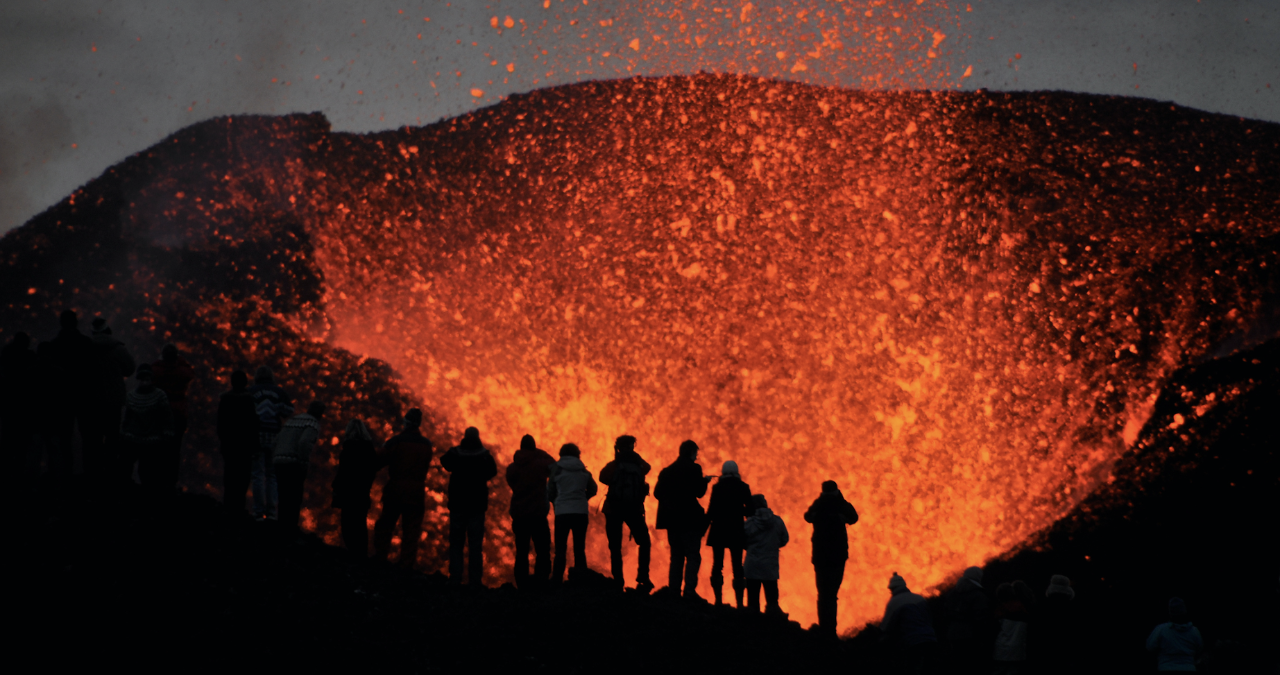
This week's eruption sent lava fountains 260 feet into the air. They're providing a wealth of information to geoscientists, Algeo told the Post.
“The eruptions are providing new insights into how mid-ocean ridge spreading systems behave,” Algeo said. “Iceland is about the only place in the world where an oceanic spreading center rises above sea level, making direct observations possible. Scientists are gaining new insights into how magma moves and is redistributed in such volcanic systems.”
Read the Washington Post story.
Featured image at top: Featured image at top: Iceland's Eyjafjallajökull volcano erupts in 2010. Photo/TrueCapture
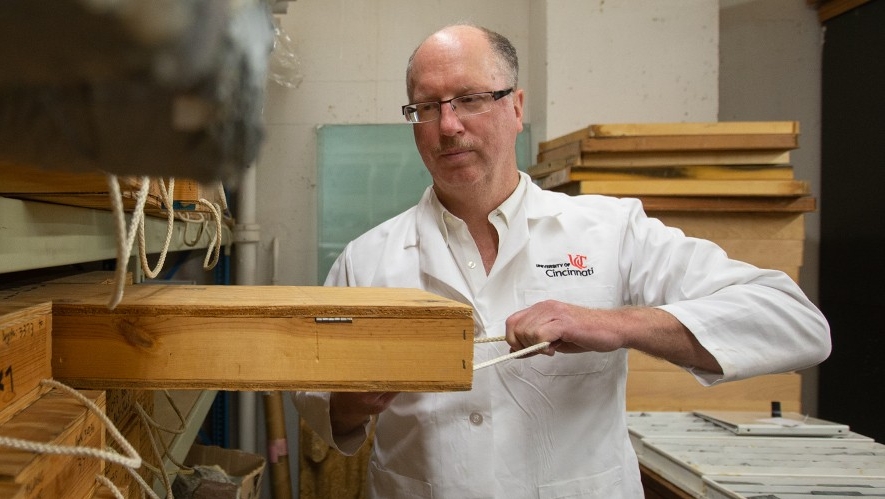
UC Professor Thomas Algeo says the latest volcanic eruption in Iceland is providing valuable information to geoscientists. Photo/Andrew Higley/UC Marketing + Brand
Related Stories
Bidirectional link between oral, kidney health calls for patient education, access
August 4, 2026

Despite growing awareness of the connection between oral health and chronic health conditions, patient awareness and access to dental care remain limited, according to University of Cincinnati experts who recently spoke with Healio | Nephrology News & Issues.
'Be human in it': UC College of Medicine welcomes Class of 2030 at 31st White Coat Ceremony
August 4, 2026
The University of Cincinnati College of Medicine welcomed 185 first-year medical students in the Class of 2030 at the 31st annual White Coat Ceremony.
UC-built detector at CERN looks for enticing evidence to explain dark matter
August 4, 2026
A physicist from the University of Cincinnati and his research partners from around the world conducted an experiment at CERN’s Large Hadron Collider in Switzerland to look for evidence that might help explain one of science’s most baffling questions: dark matter.