Bloomberg: Failed wells are polluters nobody watches
UC environmental studies professor talks about leaky oil and gas wells

Bloomberg Law turned to a University of Cincinnati expert on leaky oil and gas wells to explain why even capping them is no guarantee that they will not one day create environmental problems.
Companies are obligated to plug oil or gas wells that are no longer productive so they don't pollute the air or water. But some companies simply abandon them to avoid the costs.
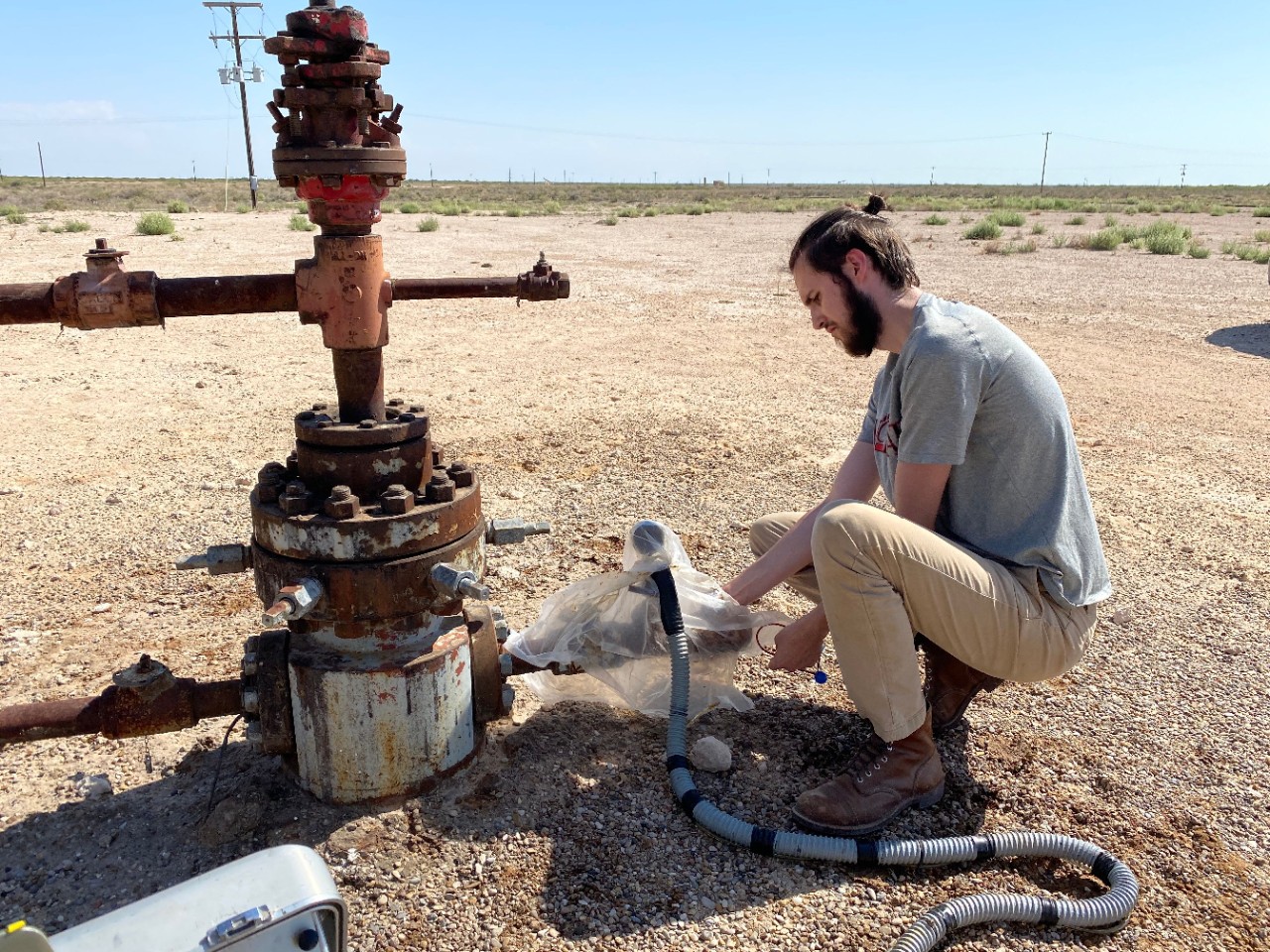
Abandoned oil and gas wells can pollute drinking water and leak methane into the atmosphere, contributing to climate change.
The United States could have as many as 3.5 million abandoned or orphaned wells, left behind by companies that have gone out of business or for which there are no regulatory records.

Amy Townsend-Small. Photo/Jay Yocis/UC
But according to Bloomberg Law, even many wells that have been plugged with concrete or other materials can fail over time. And since there is little government monitoring, nobody knows the full extent of the problem.
UC College of Arts and Sciences Professor Amy Townsend-Small teaches environmental studies. She has been studying the issue of leaking oil and gas wells across the United States.
She told Bloomberg that going back to examine capped wells has not been a priority because of the high number of uncapped wells that are leaking oil or gas.
“It would be great if all of these things could be monitored, if there was unlimited money,” she said, referring to plugged wells. “We cannot get money for this kind of research.”
Meanwhile, other energy practices could be contributing to more leaking oil and gas wells, Bloomberg reported.
Hydraulic fracturing for natural gas involves injecting wastewater and chemicals into the ground to extract natural gas. But Bloomberg found that pressure from this process has caused blowouts of nearby capped wells.
“This wastewater is corrosive because of high salt concentrations,” Townsend-Small said.
Bloomberg said Congress approved $4.7 billion in the 2021 bipartisan infrastructure law to plug wells, but there are no state or federal requirements to ensure the seals work.
Featured image at top: UC graduate Jacob Hoschouer measures methane emissions at the site of an abandoned well in Texas. Photo/Provided
Related Stories
Why can it get so hot at times?
September 3, 2026

Cincinnati is experiencing more days of extreme heat this summer than in previous decades, due in large part to warmer global temperatures. But explanations for these higher temperatures also relate to regional factors, including the city's location in a river valley and large proportion of built environment.
Driverless-taxi company Waymo is mapping Cincinnati streets
September 3, 2026

WCPO turns to UC College of Engineering and Applied Science Professor Munir Nazzal to discuss how consumer confidence is growing in autonomous vehicles as the driverless taxi service sets its eyes on Cincinnati.
UC invests in the next generation of graduate leaders through fellowships focused on mentorship and research
September 3, 2026
The Next Lives Here Presidential Fellowship supports the recruitment of top doctoral students through competitive funding, mentorship and professional development.