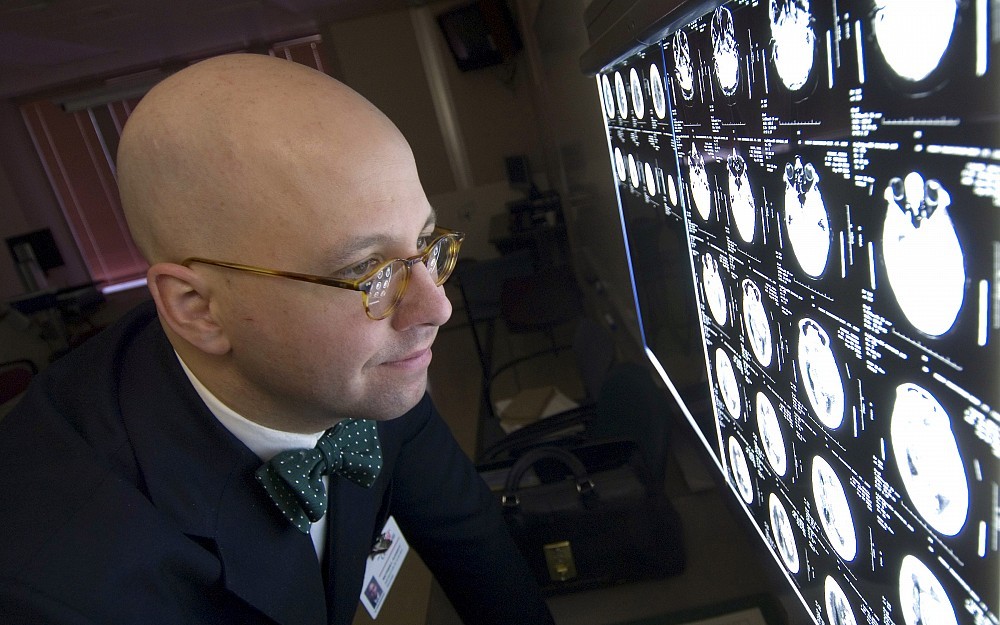
Drug Linked to Increased Cases of Brain Hemorrhage

The increase in hemorrhage, says UC assistant professor and study author Matthew Flaherty, MD, is due to greater use of the drug warfarin, which is commonly prescribed to prevent blood clotting but carries the side-effect of bleeding.
The use of warfarin increased in the 1990s after studies showed it reduced the risk of stroke caused by blood clots for people with atrial fibrillation, a condition that causes irregular heart rhythm and becomes more common as people age. Blood clots can lead to ischemic stroke, the most common type of stroke. An intracerebral hemorrhage is a stroke caused by bleeding in the brain.
For the study, researchers identified all patients in the greater
Because warfarin is currently the best way to prevent blood clots in patients with atrial fibrillation, Flaherty cautions that its use should not necessarily be discontinued.
Warfarin is highly effective in preventing ischemic stroke among people with atrial fibrillation, said Flaherty. For many people, the benefits of preventing ischemic stroke continue to outweigh the risk of a hemorrhagic stroke.
Our findings should not discourage the use of warfarin when its appropriate. Doctors can use these findings to make sure they are weighing the risks and benefits of warfarin use for their patients. For researchers, these results may stimulate efforts to develop safer alternatives to warfarin and better treatments for people with brain hemorrhages.
Stroke is the third leading cause of death in the
The study was supported in part by the National Institute of Neurological Disorders and Stroke.
Coauthors include Kathleen Alwell, Joseph Broderick, MD,
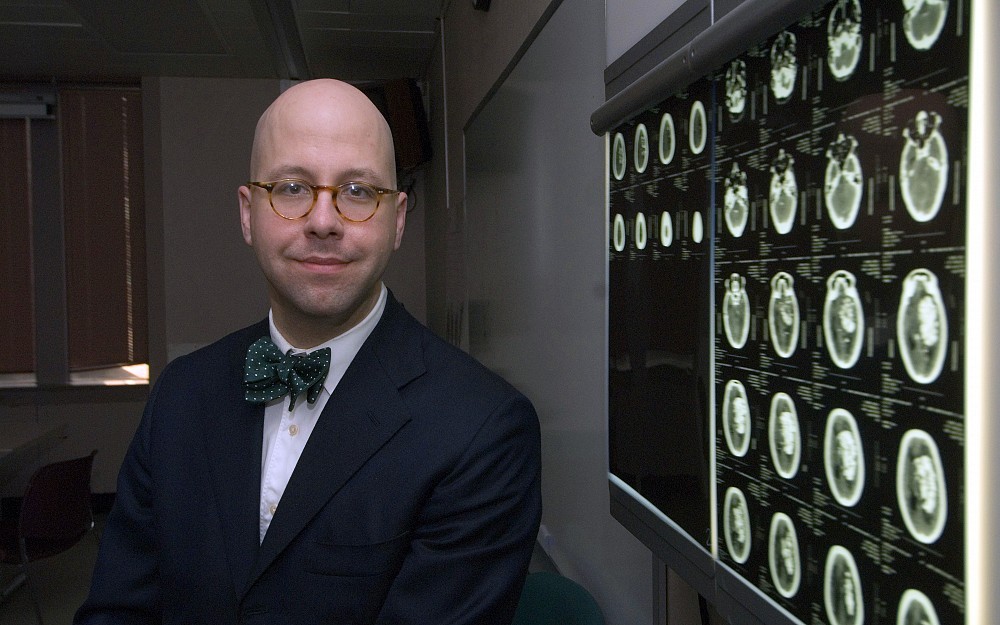
Matthew Flaherty, MD, is studying the effects of the blood-thinning drug warfarin on stroke patients.
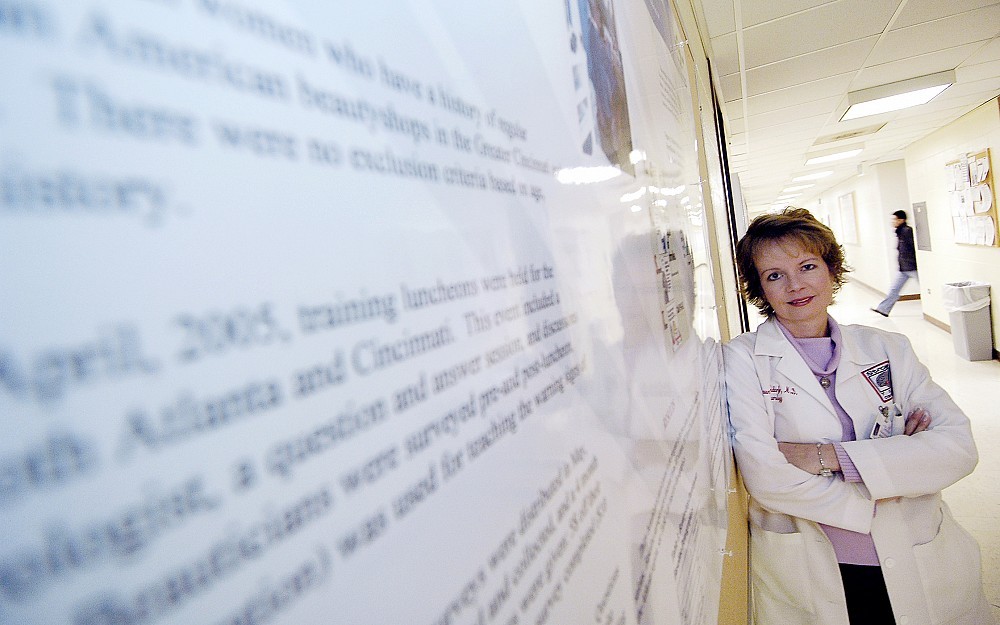
Stroke researcher Dawn Kleindorfer, MD

Joseph Broderick, MD
Tags
Related Stories
Cancer Center plays key role in lab research, clinical trials for new pancreatic cancer drug
September 1, 2026

WLWT and WCPO highlighted the contributions of University of Cincinnati Cancer Center researchers that helped lead to the recent FDA approval of daraxonrasib, a new treatment for pancreatic cancer.
Cancer Center physician receives $150,000 New Investigator Research Grant to study treatment-resistant leukemia
September 1, 2026
The University of Cincinnati Cancer Center’s Sarah Skuli, MD, PhD, received a two‑year, $150,000 Leukemia Research Foundation New Investigator Grant to study TP53‑mutated leukemia, a treatment‑resistant subtype with very poor outcomes.
Heavy social media use linked to depression
August 31, 2026

U.S. News and World Report, Yahoo! News, MSN, USA Today and other national media highlight a new study by the University of Cincinnati and Northwestern University that found a correlation between heavy social media use and depression in adults.