UC Brain Tumor Center Established With $26 Million Investment

CINCINNATIA plan to invest $26 million over 10 years has established the Brain Tumor Center at the
The bulk of the financial commitment will be shared by
The $26 million will endow clinical and research programs, fund the purchase of new technologies and accelerate collaboration among scientists and physicians.
The
The
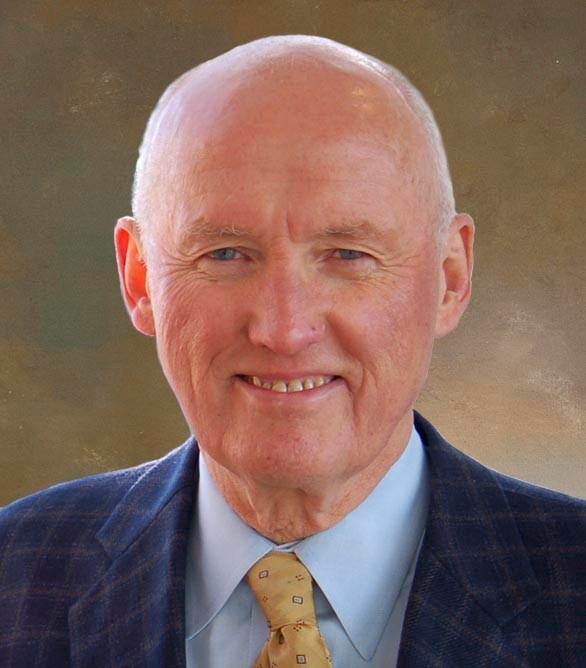
John Tew, MD, clinical director of the UC Neuroscience Institute and professor of neurosurgery, adds, This infusion of funds will propel brain tumor research and care in
The
About 215,000 brain tumors will be diagnosed in the
This infusion of funds for research and new treatments occurs at a time when the incidence of brain tumors in
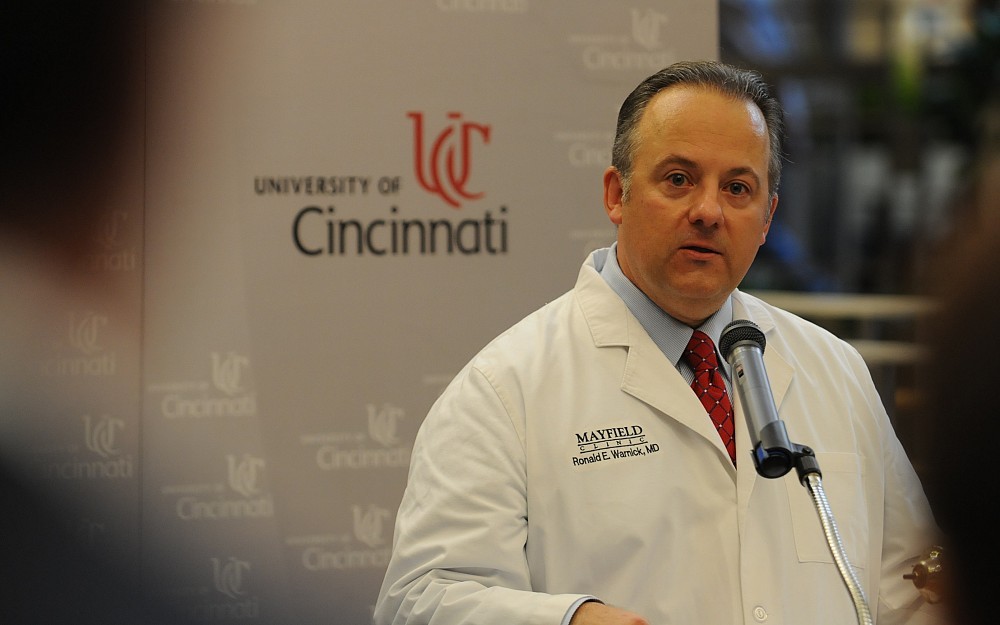
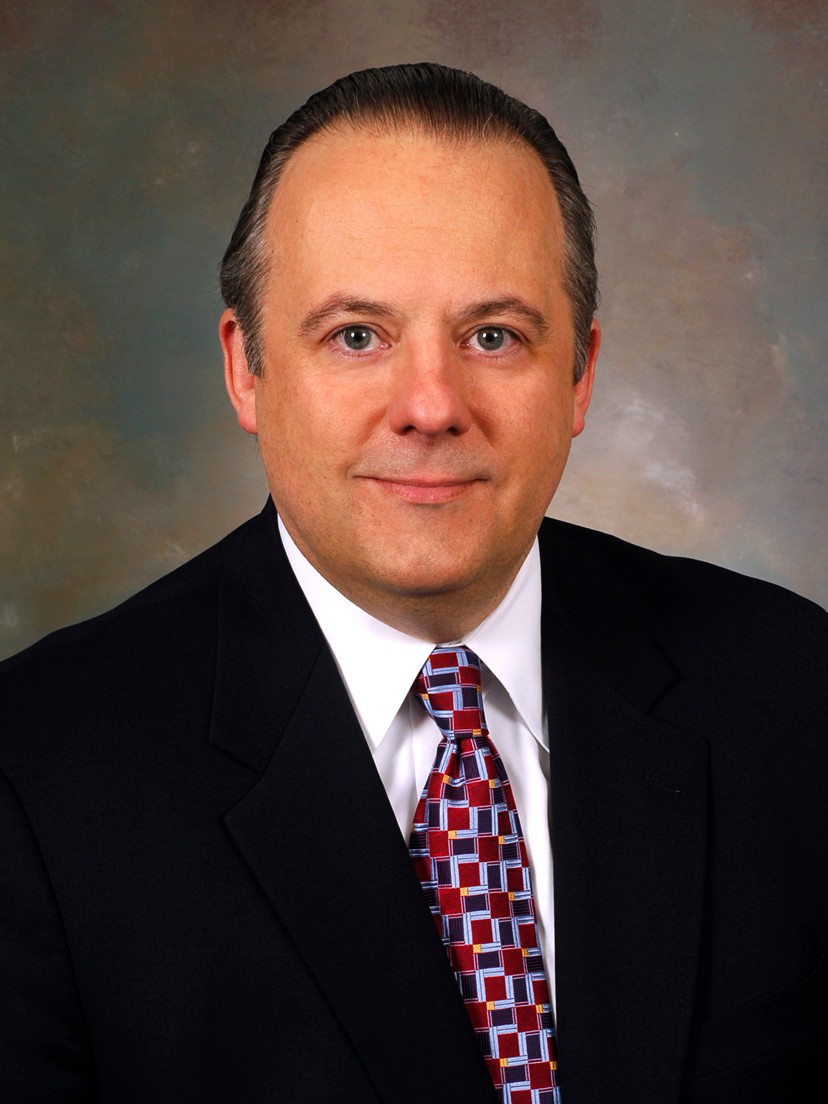
The technology used for imaging brain tumors has greatly improved over the past decade, says Ronald Warnick, MD, director of the
The
Specialists at the Brain Tumor Center employ multiple technologies in treating brain tumors, including image-guided neurosurgery, minimally invasive surgery, high-precision radiosurgery and radiotherapy, functional magnetic resonance imaging (MRI), intraoperative MRI, implantation of radioactive seeds and chemotherapy wafers, and immune system therapy.
Two developments in particular have revolutionized the treatment of brain tumors in the last few years. One is functional MRI, which enables brain tumor specialists to locate areas of the brain controlling language and motor functions before surgery and to chart a safe passage around these areas to the tumor. The other is minimally invasive cranial surgery, in which surgeons operate through tiny openings in the nose, eyebrow or skull, while causing minimal disruption to the brain.
The centers enhanced funding will accelerate clinical research at University Hospital and Precision Radiotherapy in West Chester and laboratory research under way at UCs
We expect the brain tumor program to allow for the rapid translation of research findings that will advance the care of patients with brain tumors, says David Stern, MD, vice president for health affairs at UC and dean of the
The centers physician researchers offer patients the opportunity to participate in clinical trials that test new therapies and advance scientific understanding of the many kinds of brain tumors. Nine adult brain tumor trials are currently in progress.
Laboratory research teamswhich include investigators, technicians, molecular epidemiologists and biostatisticiansare working to develop new drugs and therapies that can be translated into effective treatments for patients. They focus on cell interactions, development and regeneration. They also study how and why healthy cell processes go awry.
"We expect to see an explosion of translational research in the areas of immune system therapy and stem cell therapy, Warnick says. We also will continue to test and refine existing approaches such as radiation seeds, chemotherapy wafers and high-precision radiation therapy."
The UC Neuroscience Institute also is dedicated to the treatment of stroke, epilepsy, traumatic brain and spinal injury, multiple sclerosis, Parkinsons disease, Alzheimers disease, disorders of the senses (swallowing, voice, hearing, pain, taste and smell), and psychiatric conditions (bipolar disorder, schizophrenia and depression).
College of Medicine
John Tew, MD, professor of neurosurgery.
Ronald Warnick, MD
Related Stories
UC researchers recruit older adults for extreme heat health study
May 20, 2026
The University of Cincinnati’s Center for Collaboration on Climate & Community for Health (C4H) is recruiting older adults to participate in a study tracking their health during periods of extreme summer heat.
$15 million bequest supports endowed chair at UC College of Medicine
May 19, 2026
As a student and resident at the University of Cincinnati College of Medicine, George G. Bemis, Jr., MD, Med ’64, saw firsthand that medicine was more than a profession for those teaching and leading him. Inspired by their sense of calling, he knew he wanted to pursue the same path.
UC finds integrating substance use disorder treatment into clinic-based internal medicine expands access to care
May 18, 2026
A University of Cincinnati primary care teaching clinic integrates substance use disorder treatment into resident training, expanding access to addiction care and boosting physician confidence.