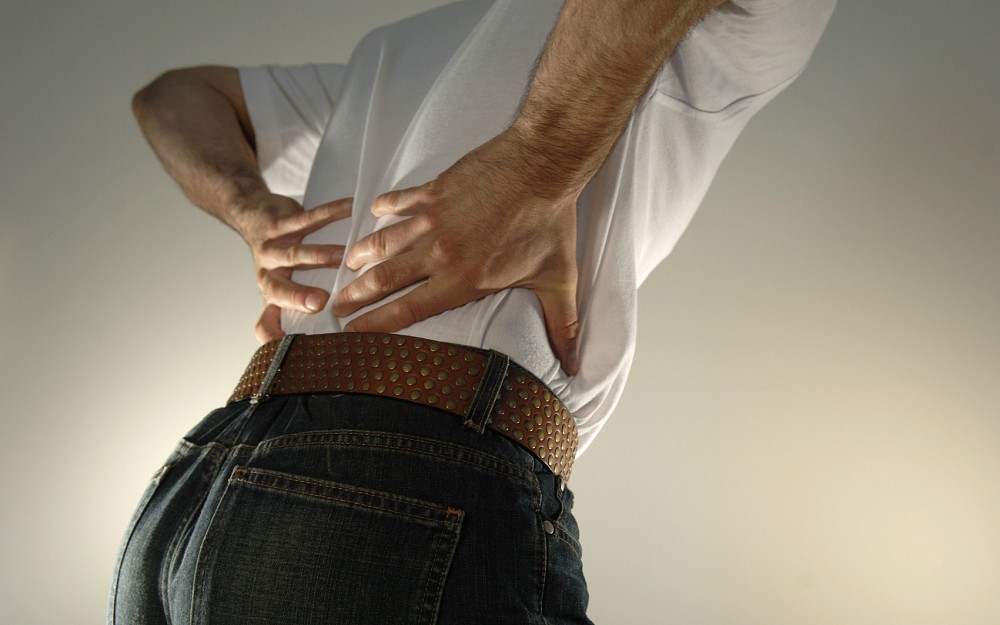
HEALTH LINE: Avoid Heat When Wearing Pain Patches

CINCINNATIWhen used appropriately, prescription pain patches are a safe and effective way of dispensing pain medications transdermally, or through the skin and into the bloodstream.
However, wearing a pain patch and simultaneously exposing the body to heat creates the potential for overdosing, say University of Cincinnati (UC) experts.
"People will lie on a heating pad, or turn on the electric blanket, or sit out in the sun, not even thinking about the pain patch they have on, says Gerald Kasting, PhD, professor of pharmaceutics and chair of the division of pharmaceutical sciences at UCs James L. Winkle College of Pharmacy.
By doing this, says Kasting, they are unknowingly cranking up a potentially fatal dose of pain medication.
Kasting, who conducts research on transdermal administration of medications with colleague Kevin Li, PhD, UC associate professor of pharmaceutics, says that patches in general, whether a nicotine patch or an opiate pain reliever patch, are formulated to deliver medication over a scheduled period of time. The problem arises when the patch or the body heats up.
Heat, Kasting says, not only speeds drug release from the patch, but as the skin warms it becomes more permeable. Concurrently, blood flow to the skin also increases, allowing medication to pass into the bloodstream more quickly. This scenario, he says, can deliver 2 to 3 times the intended dose, which is highly dangerous; especially with narcotic pain patches like fentanyl, a generic opioid analgesic prescribed for patients with chronic pain.
"The limits of safety on fentanyl are pretty sharp, Kasting says. "If too much is delivered, heart rate and breathing rate can slow, but if you get too little, then there is no pain relief.
While prescription pain patches are regulated by the U.S. Food and Drug Administration (FDA) to carry the appropriate warning labels and usage instructions, Kasting says people dont always pay attention to the warning labels, or they arent thinking that what they are doing is a heat-generating activity.
"People have overdosed and died from patches, says James Fortman, MD, a UC Health anesthesiologist and pain management specialist. "There are cases in the medical literature that substantiate heat was a factor.
On one hand, Fortman says, patches give people the freedom to live their lives normally while wearing a patch. They can do everyday things without worrying about taking a pain pillan advantage for people who cant manage to swallow pills or are not good at prescription adherence.
Most pills though, Fortman adds, are out of your system in 3 to 4 hours, and are not affected by external temperatures.
"Heat is usually the biggest concern with a pain patch, Fortman says, referencing 2005 FDA warnings to physicians and patients about the dangers of wearing patches in saunas, hot baths, with applied heat and/or with other heat-generating activities such as vigorous exercise.
The bottom line, both UC experts say, is to read the prescription insert and if it says to avoid heat, avoid it.
Additional cautions include:
Tags
Related Stories
Cancer Center plays key role in lab research, clinical trials for new pancreatic cancer drug
September 1, 2026

WLWT and WCPO highlighted the contributions of University of Cincinnati Cancer Center researchers that helped lead to the recent FDA approval of daraxonrasib, a new treatment for pancreatic cancer.
Cancer Center physician receives $150,000 New Investigator Research Grant to study treatment-resistant leukemia
September 1, 2026
The University of Cincinnati Cancer Center’s Sarah Skuli, MD, PhD, received a two‑year, $150,000 Leukemia Research Foundation New Investigator Grant to study TP53‑mutated leukemia, a treatment‑resistant subtype with very poor outcomes.
Heavy social media use linked to depression
August 31, 2026

U.S. News and World Report, Yahoo! News, MSN, USA Today and other national media highlight a new study by the University of Cincinnati and Northwestern University that found a correlation between heavy social media use and depression in adults.