Study: Generic Transplant Drugs as Good as Brand Name

CINCINNATIA University of Cincinnati (UC)-led research team has found that generic formulations of tacrolimus, a drug used post-transplant to lower the risk of organ rejection, are just as good as the name-brand version.
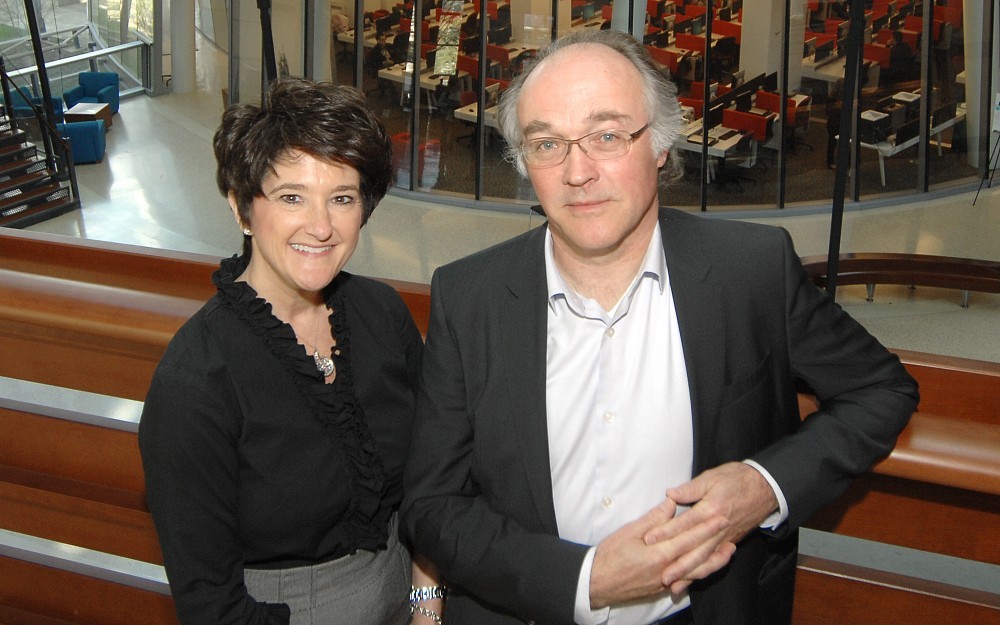
The findings were presented Sunday, May 3, by lead investigator Rita Alloway, PharmD, UC research professor of medicine and director of transplant clinical research within the UC Department of Internal Medicine, and her study collaborators at the 2015 American Transplant Congress annual meeting in Philadelphia.
Funded by the U.S. Food and Drug Administration (FDA), the study was a prospective, blinded, six-way crossover study in kidney and liver transplant patients. It tested whether the two most disparate generics, based on potency, purity and dissolution ("Generic Hi and "Generic Lo), are bioequivalent to the drug tacrolimus (Prograf) in stable transplant patients.
The researchers analyzed a total of 70 patients who were transplanted at either University of Cincinnati Medical Center or The Christ Hospital (Cincinnati) transplant programs. Patients were given brand name tacrolimus or one of two generic versions.
"We found there to be essentially no difference in the formulations between the generics and brand-name version, says Alloway. "In other words, if you were on brand and switched to genericand you take your medication as instructedthere should be no clinical consequence.
Alloway stresses, however, that despite their teams findings, patients are still encouraged to report any product concerns to the FDA.
The findings are important, says Alloway, because while more than 70 percent of tacrolimus dispensed is genericwith no consistent negative reportsphysicians and patients still have concern over the use of generics post-transplant.
"Most immunosuppressant drugs require individualized dosing and careful management to ensure the proper blood concentrations are maintained, says Alloway. "Too high exposure to these drugs increases the risk of toxicity, over-immunosuppression and cancer in patents. Too low exposure may lead to rejection of the organ by the patients immune system.
Alloway says its these strict conditions that cause concern that the quality, pharmacokinetics and therapeutic efficacy of new drugs may differ from the branded, or innovator, product.
To analyze drug levels and pharmacokinetics as well as pharmacogenetics, Alloway collaborated with Uwe Christians, MD, PhD, professor of anesthesiology at the University of Colorado, and Sander Vinks, PharmD, PhD, UC professor of pediatrics and director of the Division of Clinical Pharmacology at Cincinnati Childrens Hospital Medical Center.
"Drs. Christians and Vinks provided expertise in tacrolimus level analysis and pharmacokinetic-pharmacogenetic data analysis, says Alloway. "The study design incorporated the most sensitive and specific tacrolimus level analysis while evaluating different methods of bioequivalence data analysis.
Alloway and team will continue this important research through an FDA-funded study of patients who are at risk of experiencing lower concentrations and subsequent rejection episodes because they have been shown to require larger doses of tacrolimus to attain therapeutic blood concentrations.
Those data, Alloway says, "will allow us to characterize unique factors which may affect tacrolimus levels to identify if formulation has an effect in this enriched population.
Prograf (tacrolimus) is manufactured by Astellas Pharma Inc. Alloway has received clinical research support from and has served on the advisory board to Astellas.
She also reports receiving clinical research grants from Novartis, Veloxis, Takeda, Onyx, GSK, Prolong, Bristol-Myers Squibb, Chiltern and Sanofi. She has served on the advisory boards of Veloxis, Sanofi and Amgen.
Tags
Related Stories
Heavy social media use linked to depression
August 31, 2026

U.S. News and World Report, Yahoo! News, MSN, USA Today and other national media highlight a new study by the University of Cincinnati and Northwestern University that found a correlation between heavy social media use and depression in adults.
On-site training in Speech & Hearing Clinic sets UC’s programs apart
August 27, 2026
At the University of Cincinnati’s Speech & Hearing Clinic, Doctor of Audiology and Speech-Language Pathology graduate students gain real-world experience while providing free speech and hearing services to the community.
Funding expands UC research into weight gain side effects of bipolar medication
August 26, 2026
University of Cincinnati researchers have been approved for funding by the Patient-Centered Outcomes Research Institute (PCORI) to expand the implementation of healthy lifestyle interventions and metformin prescription to help manage weight gain in overweight or obese youth taking second-generation antipsychotic medications.