Scientific American: Police violence calls for measures beyond de-escalation training

De-escalation training, paired with greater accountability, better oversight of law enforcement and efforts to reimagine the role police play in communities, could help reduce officer-involved use of force incidents, reports Scientific American. In examining the issue, the magazine turned to University of Cincinnati criminologist and criminal justice professor Robin Engel, a nationally renowned expert on policing policy.
Engel, director of the International Association of Chiefs of Police and the University of Cincinnati Center for Police Research and Policy, tells Scientific American that de-escalation has become one of the types of training most frequently requested by police departments in recent years. However, she says that there is not enough systematic research on its use in policing to show its effectiveness or guide its use. What is clear, she says, is that de-escalation training alone, isn’t sufficient.
“We know that training alone doesn’t change behavior,” Engel said. “So you need a strong use-of-force policy that emphasizes the use of de-escalation tactics. And you need to couple that with accountability and supervisory oversight—and then add in the training component. Agencies that have been doing [these things] are [anecdotally] reporting success.”
Read the full story here.
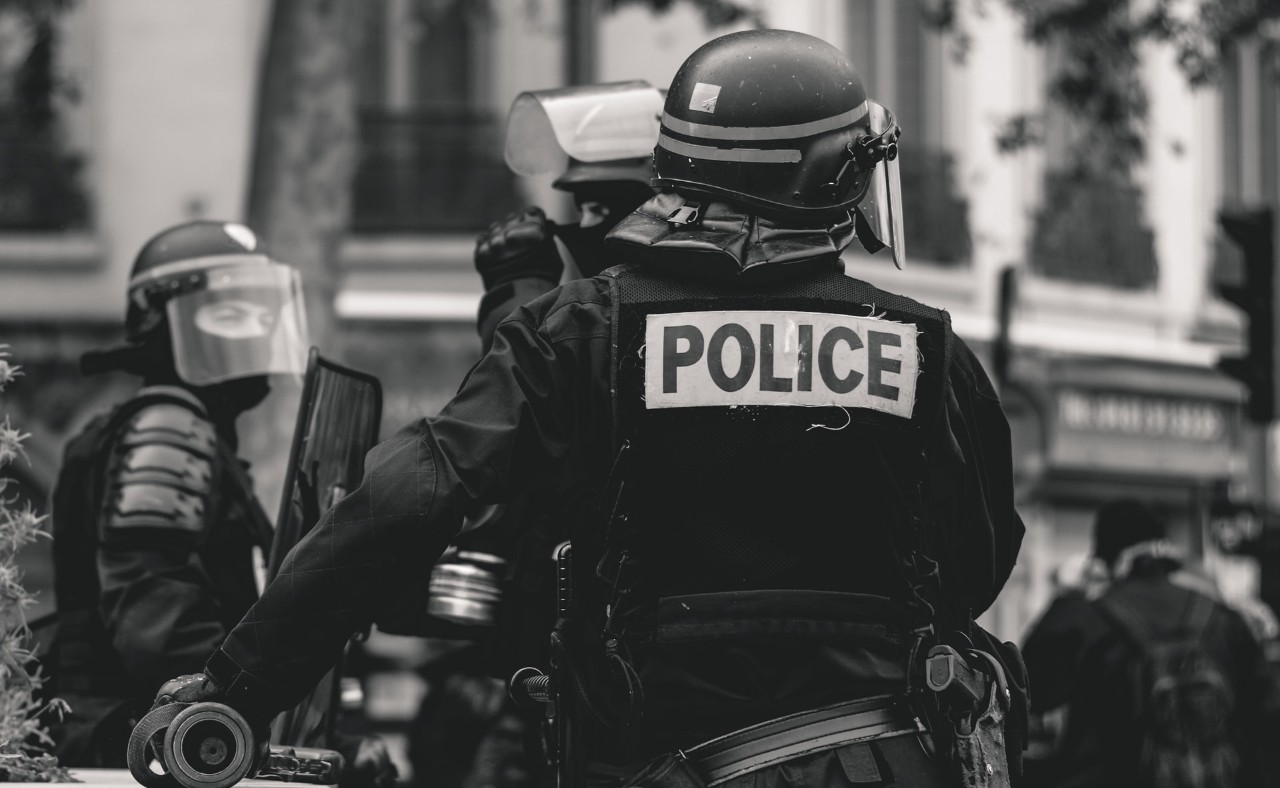
Featured image at top: police in riot gear. Photo/Unsplash/Ev
Related Stories
Her book drive is changing literacy in Cincinnati
August 31, 2026

WCPO highlights a nonprofit dedicated to childhood literacy that has offers co-op positions to UC students.
Major grant expands apprenticeship opportunities at UC
August 31, 2026
UC will expand registered apprenticeship opportunities in AI, semiconductor, and nuclear-energy infrastructure through a major U.S. Department of Labor grant partnership led by JFF.
London fashion in focus
August 31, 2026
Since 2016, the University of Cincinnati's College of Design, Architecture, Art, and Planning (DAAP) has offered a study abroad trip called “United Kingdom: The Style Studies.” This year, 15 students embarked across the Atlantic right before the fall semester to see all the retail expertise London has to offer.