Elemental: The unique devastation of cancer in a pandemic
UC research featured in story about cancer care in the age of the coronavirus

Oncologists say the high-stakes work of treating cancer has become even more precarious during the pandemic. Over the course of 2020, cancer specialists have struggled to understand how to protect their patients, whose immune systems are often compromised by therapies.
“We need to keep treating, even in the face of this,” says Trisha Wise-Draper, MD, PhD, associate professor at the University of Cincinnati, UC Health oncologist and member of the UC Cancer Center. “Cancer never stops.”
In July, Layne Weatherford, PhD, a postdoctoral fellow who works with Wise-Draper, presented preliminary findings suggesting immunotherapy (which activates the immune system against cancer) doesn’t worsen complications for people with cancer infected with COVID-19.
“Our advice keeps changing. I think that’s been the hardest part for patients,” says Wise-Draper. “They’re watching science unfold in front of their eyes.”
Read the whole story from Elemental.
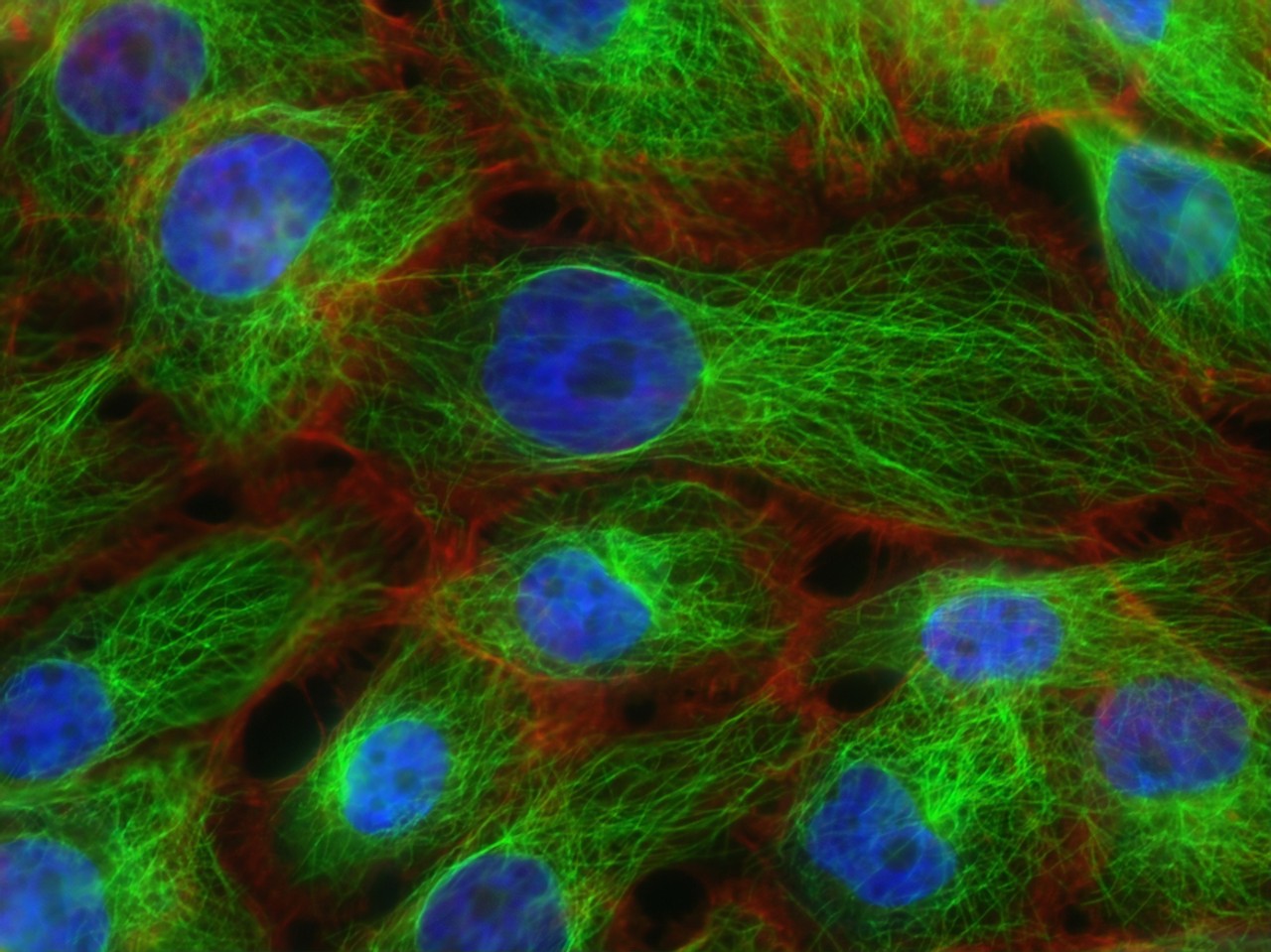
Featured photo of cancer cells courtesy of the National Cancer Institute.
Impact Lives Here
The University of Cincinnati is leading public urban universities into a new era of innovation and impact. Our faculty, staff and students are saving lives, changing outcomes and bending the future in our city's direction. Next Lives Here.
Stay up on all UC's COVID-19 stories, read more #UCtheGood content, or take a UC virtual visit and begin picturing yourself at an institution that inspires incredible stories.
Related Stories
Everyday guide to AI prompt engineering
August 5, 2026
Prompt engineering can be the difference between strong and poor AI outputs. Success comes from explaining your end goal, breaking down large requests and carefully checking for errors.
Bidirectional link between oral, kidney health calls for patient education, access
August 4, 2026

Despite growing awareness of the connection between oral health and chronic health conditions, patient awareness and access to dental care remain limited, according to University of Cincinnati experts who recently spoke with Healio | Nephrology News & Issues.
'Be human in it': UC College of Medicine welcomes Class of 2030 at 31st White Coat Ceremony
August 4, 2026
The University of Cincinnati College of Medicine welcomed 185 first-year medical students in the Class of 2030 at the 31st annual White Coat Ceremony.