
Fodor's Travel: We will be able to travel this fall?
UC expert sees a fall COVID-19 rebound that is manageable

The general consensus among medical experts is for a rebound of COVID-19 cases in the fall of 2020. Fodor's Travel interviewed Carl Fichtenbaum, MD, of the UC Division of Infectious Diseases for an article on what travel might look like this fall.
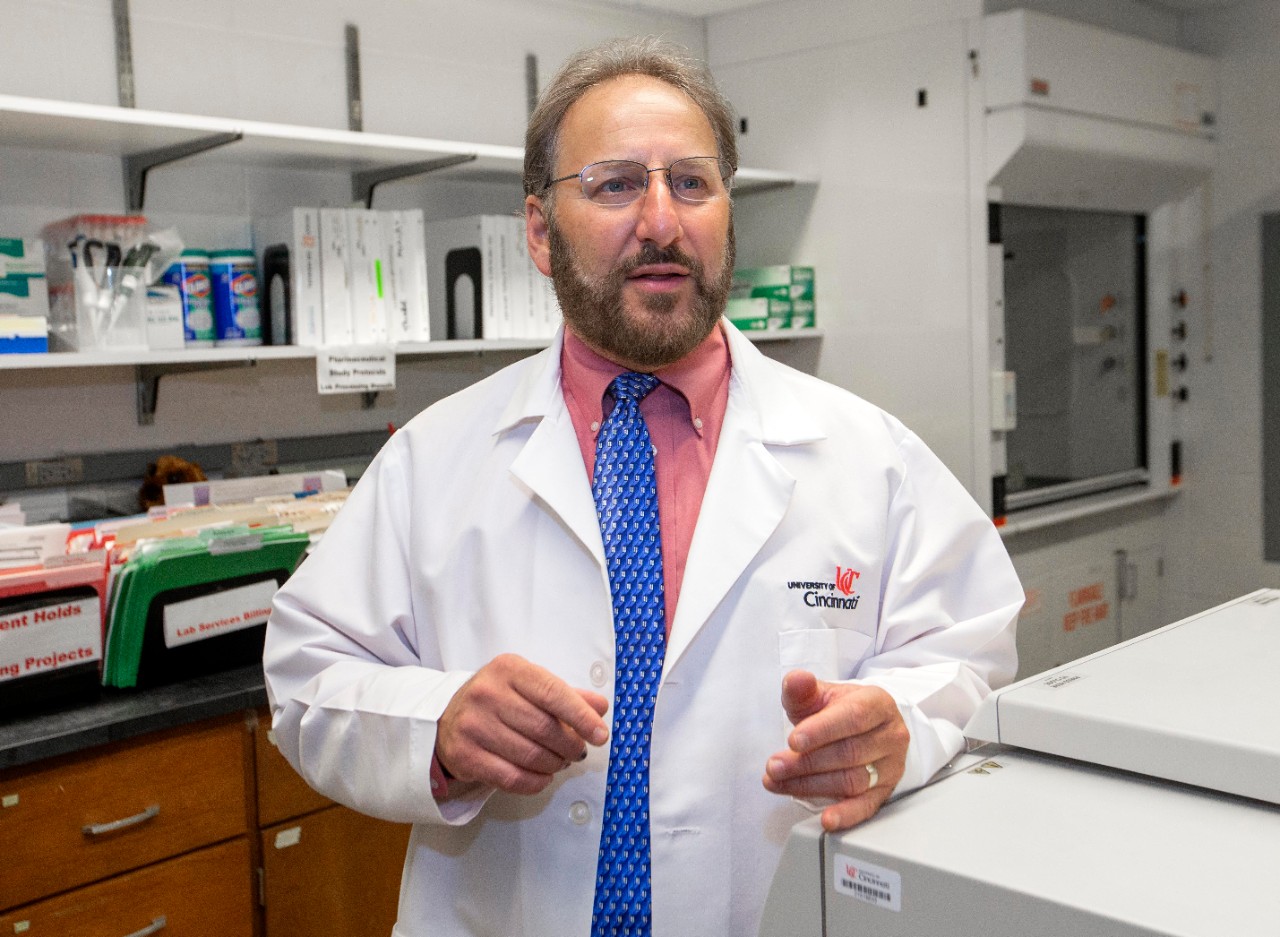
Carl Fichtenbaum, MD, of the UC Division of Infectious Diseases, talked to Fodor's Travel about what travel might look like this fall. Photo/Joe Fuqua II/UC Creative + Brand
Even though he believes we’ll still be battling the novel coronavirus in the fall, Dr. Fichtenbaum is hopeful that numbers will be at the level we’re seeing right now and won’t be any higher.
“I think that’s realistic because I think we’ll be able to control a little bit of the spread of this so that it doesn’t get out of control,” he said.
Traveling brings with it the risk of both the traveler and the people they encounter being exposed to the virus. For this reason, Dr. Fichtenbaum cautions anyone thinking about holiday travel (or fall travel in general) to be cognizant of exposures to other people and places in the time leading up to travel. He also suggests limiting exposure by opting to travel by car, if possible.
Read the entire article here.
Lead photo/Fran Boloni/Unsplash
Impact Lives Here
The University of Cincinnati is leading public urban universities into a new era of innovation and impact. Our faculty, staff and students are saving lives, changing outcomes and bending the future in our city's direction. Next Lives Here.
Stay up on all UC's COVID-19 stories, read more #UCtheGood content, or take a UC virtual visit and begin picturing yourself at an institution that inspires incredible stories.
Related Stories
University of Cincinnati and Hamilton County work to lower overdose deaths
September 17, 2026

University of Cincinnati researchers and Hamilton County officials are using overdose data to identify Cincinnati hot spots and place free NaloxBoxes and fentanyl test strip dispensers where they are needed most to help prevent opioid overdose deaths.
You're probably not getting that $5,000 presidential check
September 17, 2026

Michael Jones, associate professor of economics at the University of Cincinnati's Lindner College of Business, spoke with Marketplace on why President Trump's $5,000 check proposal probably won't happen from a numbers perspective.
Playbill ranks CCM in Top 10 most represented colleges on Broadway
September 14, 2026

The University of Cincinnati College-Conservatory of Music has once again been named as one of Playbill’s Top 10 most represented schools on Broadway.