ScienceDaily: Fish oil without the fishy smell or taste
UC pharmacy researcher collaborates on process to refine fish oil

A new study, co-led by University of Cincinnati pharmacy researcher Harshita Kumari, and supported by her doctoral student, Marzieh Mirzamani, has appeared in ScienceDaily and numerous other publications.
Harshita Kumari, PhD, is an associate professor of pharmaceutical sciences at the University of Cincinnati's James L. Winkle College of Pharmacy. Her work in the area of solution chemistry of supramolecular complexes is widely recognized.
The study describes the development of a refining process that scientists deem a superior method to help produce better dietary omega-3 health and dietary supplements containing fish oil.
Fish oil is widely known to be an excellent dietary source of omega-3 polyunsaturated fatty acids (PUFAs) having positive effects on human health including heart and eye health, inflammation and bone density.
The study also appears in the following publications:
- 7thSpace: Fish oil without the fishy smell or taste
- ScienceMag: Fish oil without the fishy smell or taste
- BrightSurf.com: Fish oil without the fishy smell or taste
- Health Medicine Network: Fish oil without the fishy smell or taste
- Medindia: Technology enables producing high quality fish oil minimizing odor and taste
- New Omega-3 Fish oil with better taste and ddor developed
- News Medical Life Sciences: New process enriches omega-3 fatty acid content in dietary supplements
- Science Codex: Fish oil without the smelly smell or taste
- Agenparl: Fish oil without the fishy smell or taste
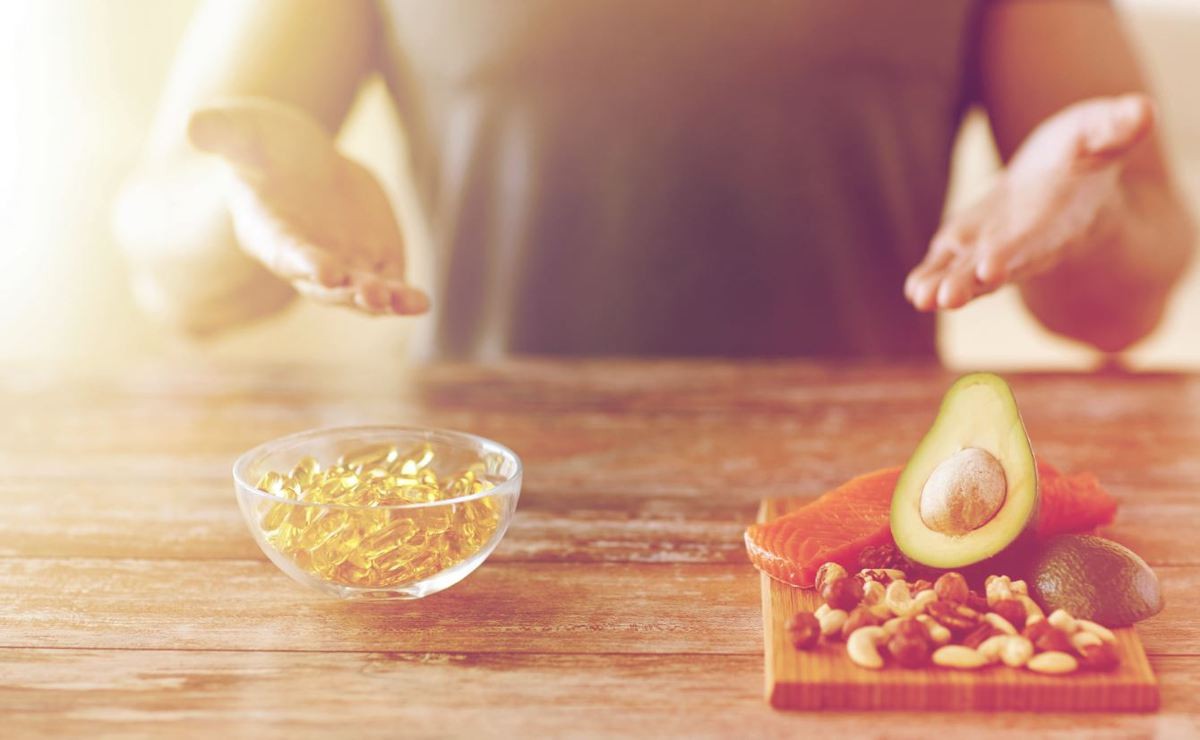
Feature photo at top of supplements and foods which contain fatty acids. Photo/Getty Images.
Next Lives Here, the University of Cincinnati’s strategic direction, defines our moment and our momentum. More nimble and more robust than a plan, Next Lives Here announces our vision to the world—to lead urban public universities into a new era of innovation, impact, and inclusion.
Related Stories
Her book drive is changing literacy in Cincinnati
August 31, 2026

WCPO highlights a nonprofit dedicated to childhood literacy that has offers co-op positions to UC students.
Major grant expands apprenticeship opportunities at UC
August 31, 2026
UC will expand registered apprenticeship opportunities in AI, semiconductor, and nuclear-energy infrastructure through a major U.S. Department of Labor grant partnership led by JFF.
Heavy social media use linked to depression
August 31, 2026

U.S. News and World Report, Yahoo! News, MSN, USA Today and other national media highlight a new study by the University of Cincinnati and Northwestern University that found a correlation between heavy social media use and depression in adults.