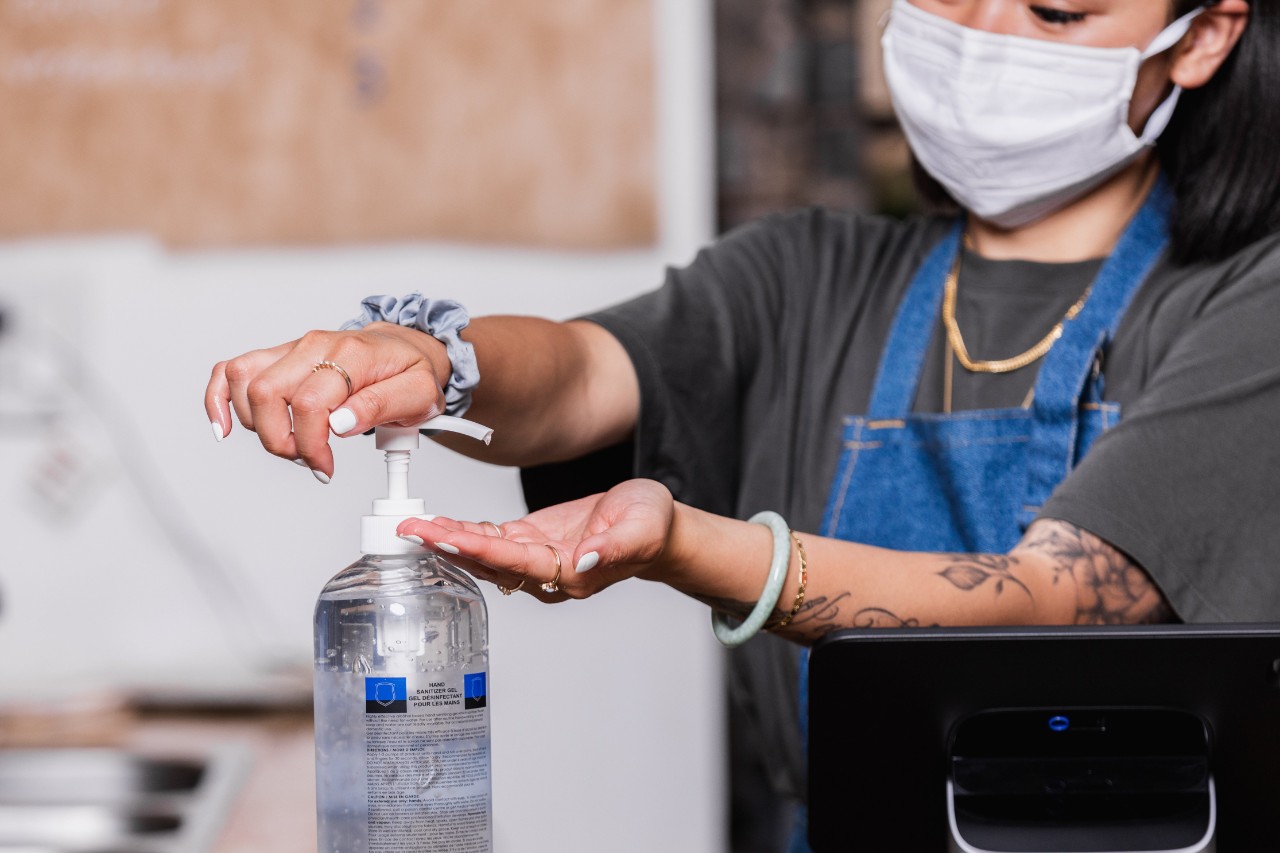
Good Housekeeping: Here’s how you can help prevent the spread of coronavirus, according to experts
UC expert says to stay home as much as feasible and practice social distancing when in public

Good Housekeeping published a story on ways people can help prevent the spread of coronavirus. One of the experts they turned to was Carl Fichtenbaum, MD, professor in the Division of Infectious Diseases at the UC College of Medicine.
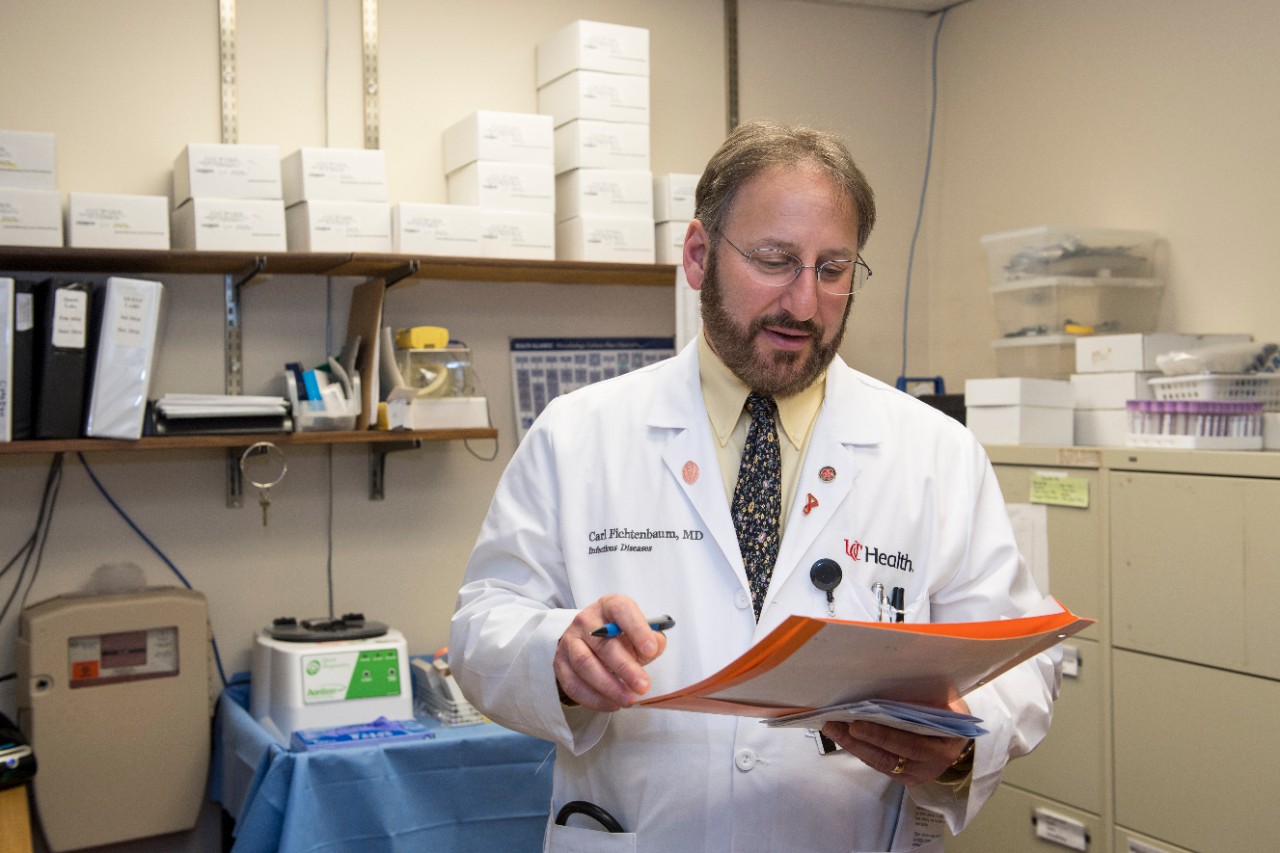
Carl Fichtenbaum, MD, professor in the Division of Infectious Diseases at the UC College of Medicine. Photo/Colleen Kelley/UC Creative + Brand
“Limit how much time you spend out in public or around others'" Fichtenbaum said. "It’s unusual for us to be living this way, but it’s one of the easiest ways to prevent the spread of germs, and it’s necessary over the next few weeks to see if we can halt the spread of this virus from person to person.”
He also said it might be a good time to do some binge-watching.
When you're not working, “try to keep a positive attitude by catching up on projects you’ve been putting off or watching Netflix shows you haven’t had time to watch,” Fichtenbaum said.
Impact Lives Here
The University of Cincinnati is leading public urban universities into a new era of innovation and impact. Our faculty, staff and students are saving lives, changing outcomes and bending the future in our city's direction. Next Lives Here.
Stay up on all UC's COVID-19 stories, read more #UCtheGood content, or take a UC virtual visit and begin picturing yourself at an institution that inspires incredible stories.
Related Stories
These teeny spiders are social media stars
August 28, 2026

The New York Times turned to a University of Cincinnati professor to explain the appeal of jumping spiders on social media.
An internal divide among unions on AI impacts the Wisconsin gubernatorial race
August 28, 2026

Anne Lofaso, a professor in the Donald P. Klekamp College of Law at UC, spoke with Wisconsin Public Radio, about the schism among unions over AI and whether it is a plus, a negative, or somewhere in between when looking at job creation.
On-site training in Speech & Hearing Clinic sets UC’s programs apart
August 27, 2026
At the University of Cincinnati’s Speech & Hearing Clinic, Doctor of Audiology and Speech-Language Pathology graduate students gain real-world experience while providing free speech and hearing services to the community.