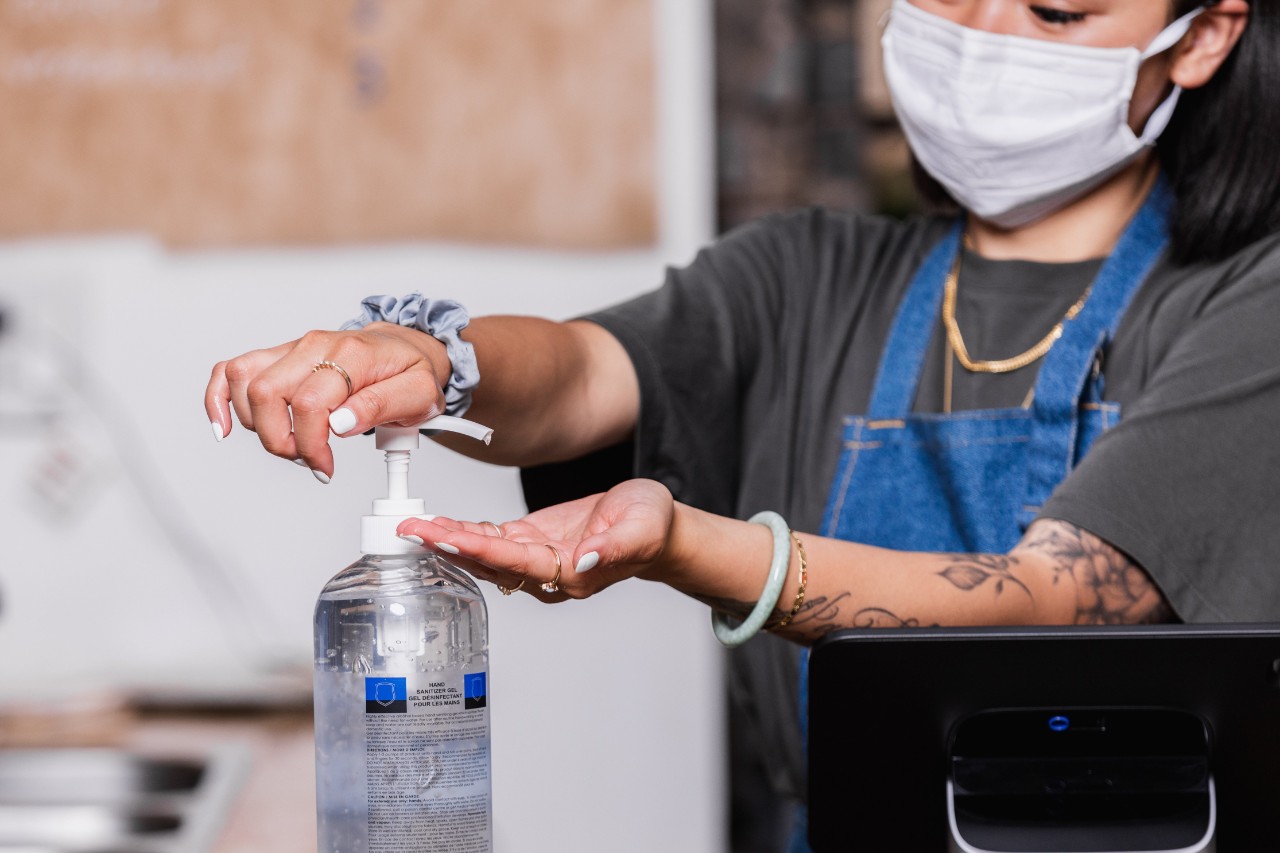
Good Housekeeping: Here’s how you can help prevent the spread of coronavirus, according to experts
UC expert says to stay home as much as feasible and practice social distancing when in public

Good Housekeeping published a story on ways people can help prevent the spread of coronavirus. One of the experts they turned to was Carl Fichtenbaum, MD, professor in the Division of Infectious Diseases at the UC College of Medicine.
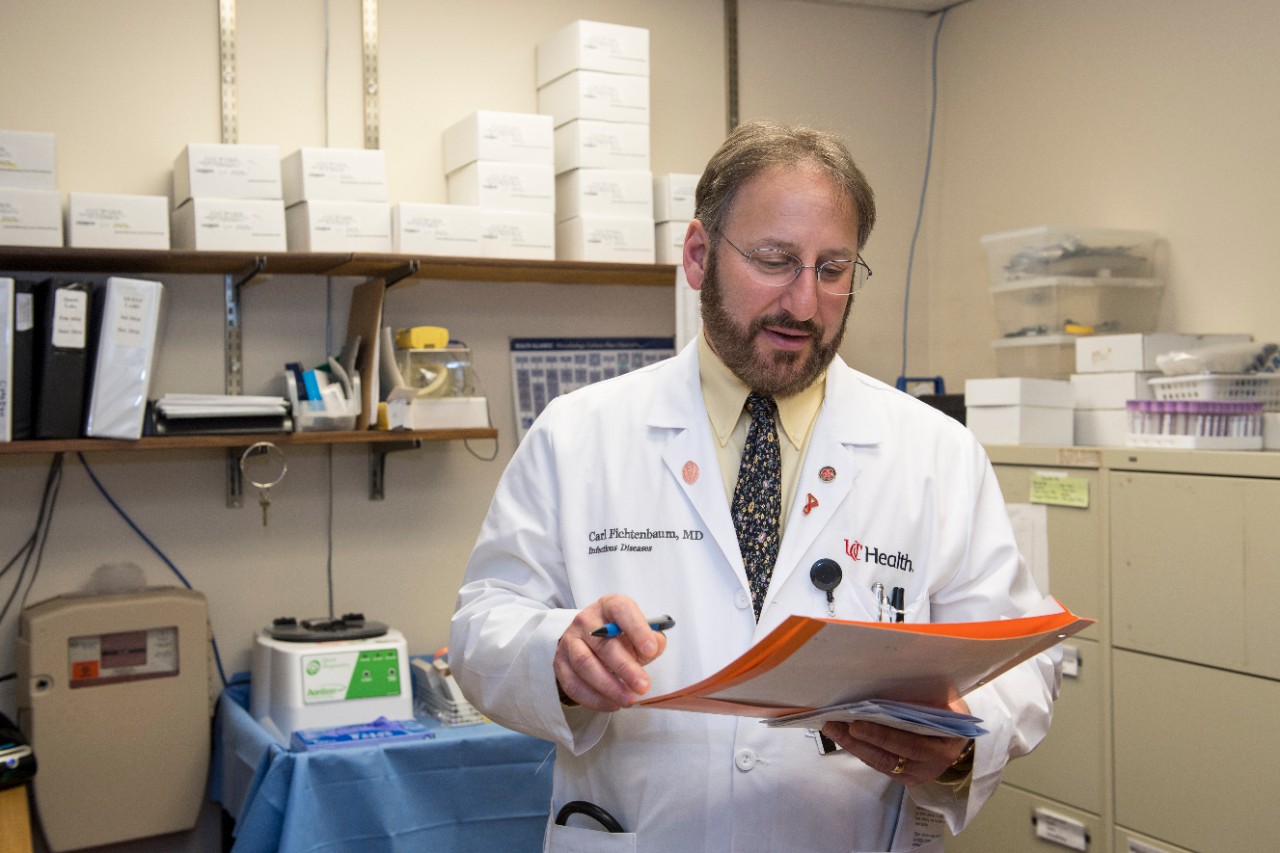
Carl Fichtenbaum, MD, professor in the Division of Infectious Diseases at the UC College of Medicine. Photo/Colleen Kelley/UC Creative + Brand
“Limit how much time you spend out in public or around others'" Fichtenbaum said. "It’s unusual for us to be living this way, but it’s one of the easiest ways to prevent the spread of germs, and it’s necessary over the next few weeks to see if we can halt the spread of this virus from person to person.”
He also said it might be a good time to do some binge-watching.
When you're not working, “try to keep a positive attitude by catching up on projects you’ve been putting off or watching Netflix shows you haven’t had time to watch,” Fichtenbaum said.
Impact Lives Here
The University of Cincinnati is leading public urban universities into a new era of innovation and impact. Our faculty, staff and students are saving lives, changing outcomes and bending the future in our city's direction. Next Lives Here.
Stay up on all UC's COVID-19 stories, read more #UCtheGood content, or take a UC virtual visit and begin picturing yourself at an institution that inspires incredible stories.
Related Stories
Four outstanding preceptors recognized for shaping the next generation of nurses
July 28, 2026
Every nursing student’s journey includes a mentor who helps transform theory into practice. In hospitals, clinics, and community settings, preceptors provide hands-on guidance that helps students build confidence, refine clinical judgment, and develop the skills needed to care for patients independently. Each year, the University of Cincinnati College of Nursing recognizes outstanding clinical educators through its Outstanding Preceptor Awards. Nominated by the students they mentor, the awards honor two prelicensure preceptors and two advanced practice registered nurse (APRN) preceptors — one from the Greater Cincinnati region and one from outside the region —whose commitment to teaching has made an extraordinary impact on student learning and professional development.
CCM Hollywood alumna reminisces on her Cincinnati roots over Skyline
July 28, 2026

Hollywood actress Diana Maria Riva recently sat down with the Cincinnati Enquirer to discuss her career over a Cincinnati staple — Skyline chili. The CCM Acting alumna has worked in Hollywood since the '90s, but she grew up on Cincinnati's West Side.
UC doctoral student shares his journey with Spectrum News
July 27, 2026

UC doctoral student Amota Ataneka spoke with Spectrum News about his educational journey. Ataneka, a native of the Pacific island nation of Kiribati, is one of 35 emerging scholars across the United States to win the National Academy of Education/Spencer Dissertation Fellowship.