Local 12: Hoxworth shipping convalescent plasma to the US Department of Defense
UC blood center joins effort to build stockpile

Hoxworth Blood Center - University of Cincinnati is collecting convalescent plasma as a potential treatment for COVID-19. WKRC-TV, Local 12 aired a story about efforts by blood banks around the country, including Hoxworth, to supply convalescent plasma to the U.S. Department of Defense as members of the Pentagon went into quarantine after a positive case of coronavirus was reported among a senior staff member.

David Oh, MD, associate professor in the Department of Pathology and Laboratory Medicine at the UC College of Medicine and chief medical officer of Hoxworth Blood Center. Photo/Colleen Kelley/UC Creative + Brand
Local 12 interviewed David Oh, MD, associate professor in the Department of Pathology and Laboratory Medicine at the UC College of Medicine and chief medical officer of Hoxworth Blood Center.
"Convalescent plasma is plasma that we collect from people who have actually been infected with COVID-19,” said Oh. “They produce antibodies to help fight off the disease. That plasma can be transfused in patients who are currently infected with COVID-19 and help them to fight off the infection."
See the full story here.
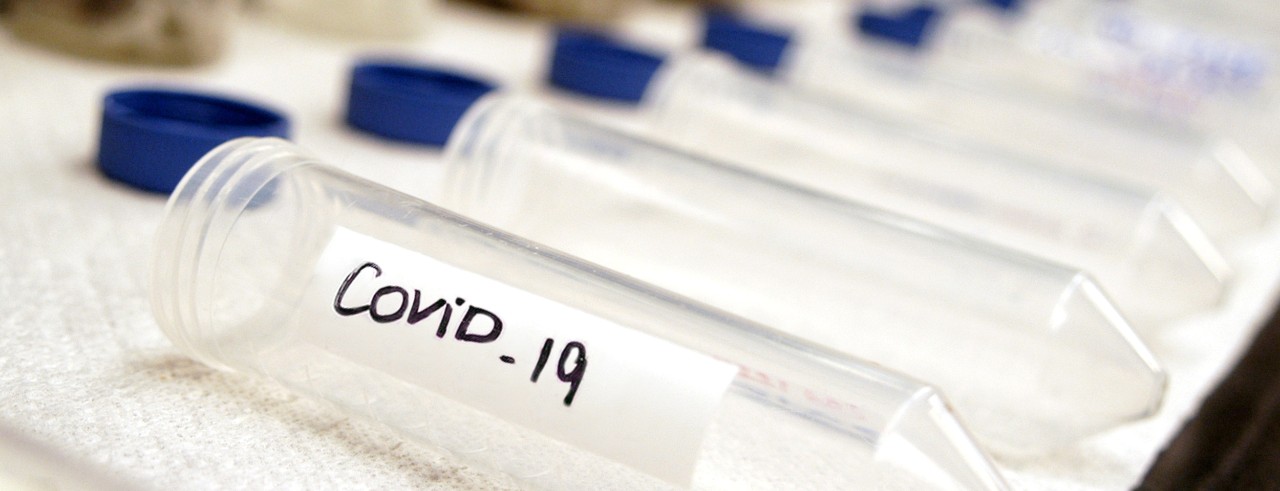
Lead image Colleen Kelley/UC Creative + Brand
Impact Lives Here
The University of Cincinnati is leading public urban universities into a new era of innovation and impact. Our faculty, staff and students are saving lives, changing outcomes and bending the future in our city's direction. Next Lives Here.
Stay up on all UC's COVID-19 stories, read more #UCtheGood content, or take a UC virtual visit and begin picturing yourself at an institution that inspires incredible stories.
Tags
Related Stories
Cancer Center plays key role in lab research, clinical trials for new pancreatic cancer drug
September 1, 2026

WLWT and WCPO highlighted the contributions of University of Cincinnati Cancer Center researchers that helped lead to the recent FDA approval of daraxonrasib, a new treatment for pancreatic cancer.
An expert pieced together this Roman document like a puzzle
September 1, 2026

National media highlighted a new project by UC Classics Assistant Professor Matthijs Wibier to piece together and translate an ancient Roman text from fragments buried in the desert for more than 1,600 years.
Her book drive is changing literacy in Cincinnati
August 31, 2026

WCPO highlights a nonprofit dedicated to childhood literacy that has offers co-op positions to UC students.