WVXU: How to limit screen time under the pandemic
UC Clermont professor and online learning expert Patty Goedl featured on 'Cincinnati Edition'

The pandemic has changed how people connect. Between Zoom meetings and virtual classrooms, we're spending more time than ever logged on to devices for school and work. So how can we maintain a healthy screen diet and limit our time on our devices when so much of our life now revolves around virtual gatherings?
It's of particular concern to parents, as many children are spending the school day in online classrooms. So how do parents limit their child's screen time when so much more of our lives are being lived on screens? And can virtual learning actually bring new benefits for education?
WVXU featured this topic on the program "Cincinnati Edition," turning to a University of Cincinnati expert for insights.
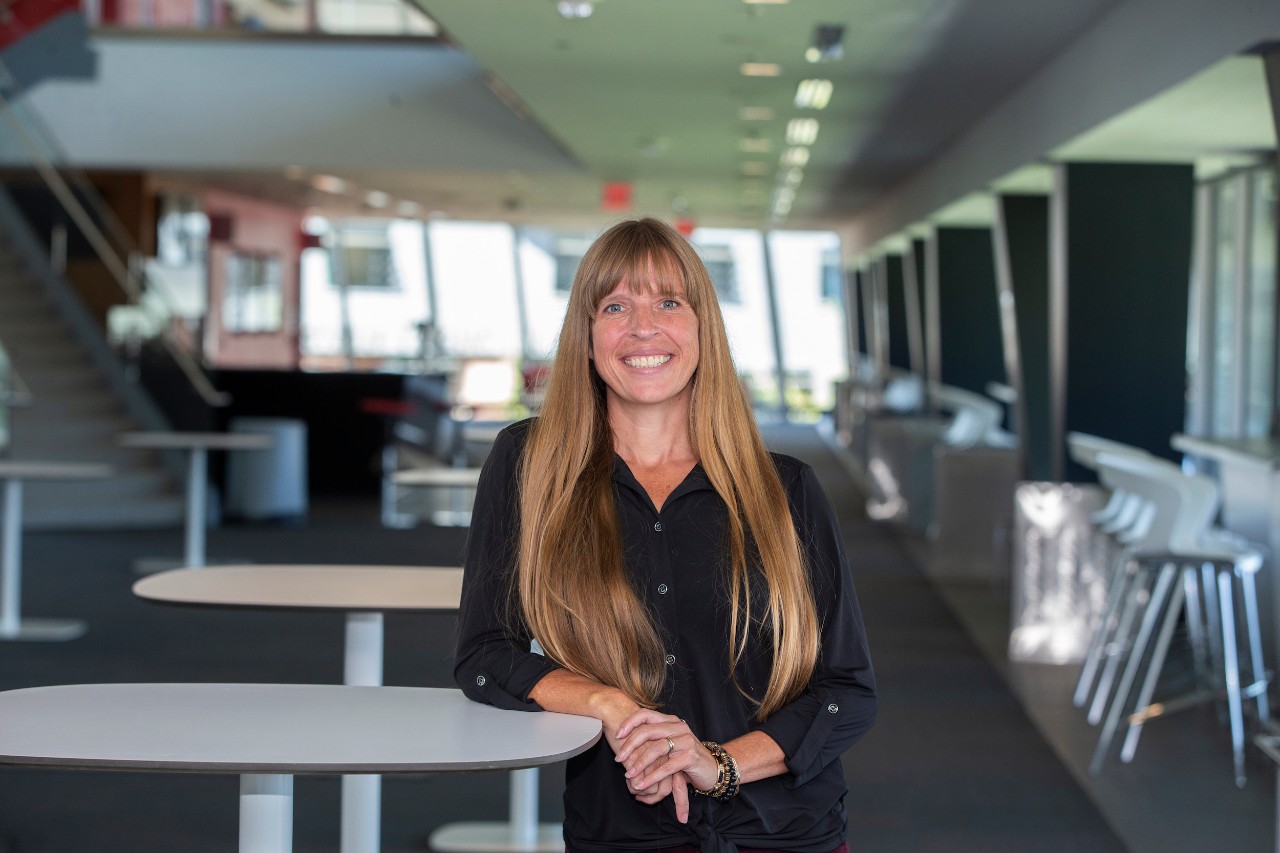
UC Clermont College Associate Professor of Accounting Patty Goedl joined the panel to discuss screen time under the pandemic.
Featured image at top of Patty Goedl by Joseph Fuqua II/UC Creative + Brand
Related Stories
Independence Day fireworks may trigger stress for combat veterans
July 6, 2026

Spectrum News talks to U.S. Army and Iraq War veteran Terence Harrison, manager of UC's Veterans Programs and Services, about fireworks etiquette for the Fourth of July.
What is mental subtraction?
July 6, 2026

Suzie White, PhD, assistant professor in the School of Education at the University of Cincinnati, spoke to Time for a feature story about using mental subtraction as a form of self care.
Suzanne Judd, PhD, officially arrives as inaugural director of the UC Center for Public Health
July 6, 2026
The University of Cincinnati welcomes renowned epidemiologist Suzanne E. Judd, PhD, as the inaugural director of the new UC Center for Public Health.