American Medical Association: Why this Black doctor volunteered for coronavirus vaccine trial
Dr. Louito Edje, UC associate dean and UC Health physician, wanted to support her patients

The American Medical Association interviewed Louito Edje, MD, associate dean of graduate medical education and designated institutional official at the University of Cincinnati College of Medicine, about the race to develop a COVID-19 vaccine and Edje’s decision to take part in a clinical trial. Too few of the people participating are Black, but it’s not surprising given the long-running difficulty that clinical trials have encountered in recruiting Black research subjects given high levels of historical mistrust.

Louito Edje, MD
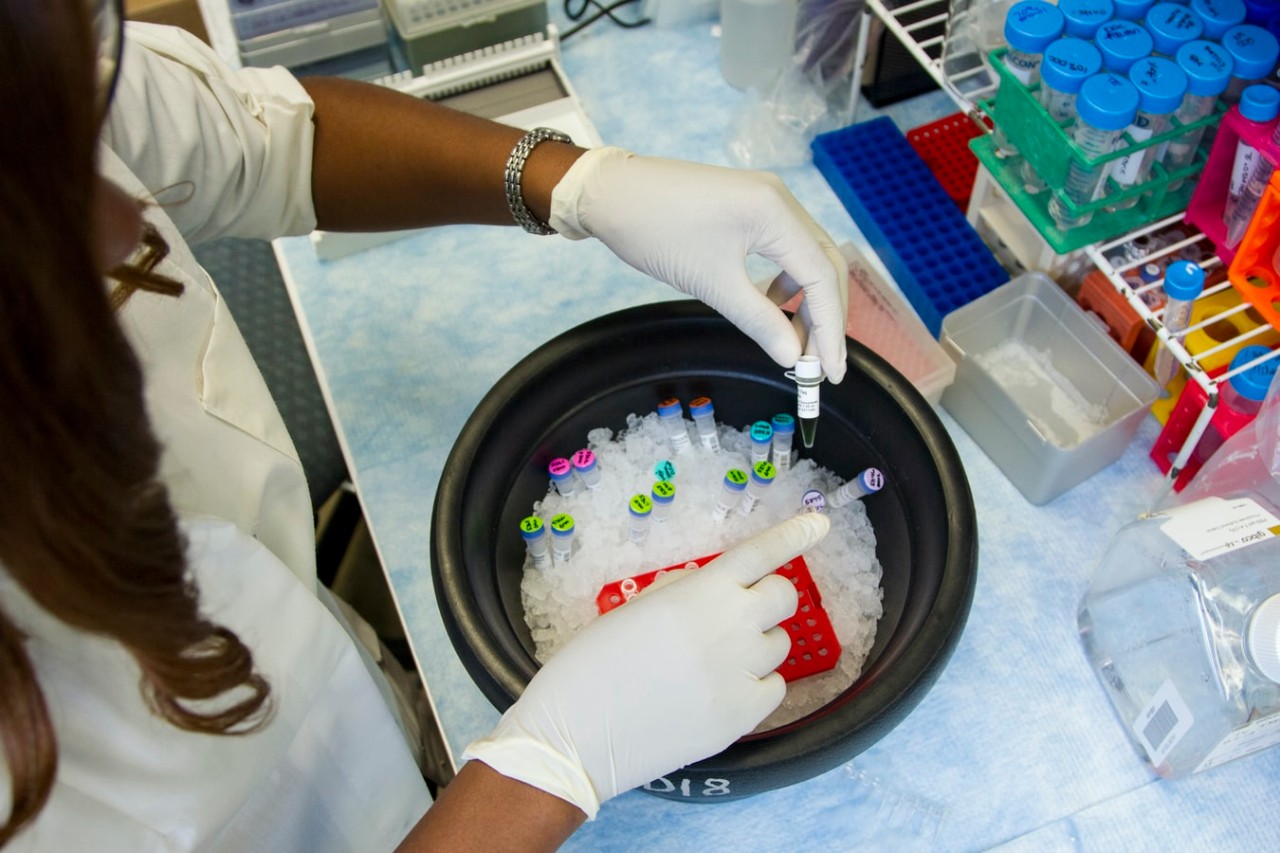
Edge, a professor in the Department Medical Education and the Department of Family and Community Medicine, is also a UC Health physician. She joined the Phase 3 clinical trial for a SARS-CoV-2 vaccine. UC is one of approximately 90 sites in the U.S. to host a trial for the mRNA-1273 vaccine developed by National Institute of Allergy and Infectious Diseases scientists and collaborators at biotechnology company Moderna.
Her decision to enroll in the federally funded study was an easy one. Edje dedicates many of her working hours overseeing more than 700 resident and fellow physicians who train at UC Health. During the COVID-19 pandemic, that means ensuring learners are safe as they provide frontline care.
Read Dr. Edje’s interview with the American Medical Association online.
Related Stories
UC expert offers advice to Cincinnati on climate change
August 14, 2026

In an op-ed, UC Associate Professor Bob Hyland talks about ways Cincinnati can become more resilient in face of climate change.
UC named a best employer in Ohio by Forbes
August 14, 2026

Forbes ranks the University of Cincinnati No. 24 on its 2026 America’s Best Employers By State list for Ohio, recognizing UC’s strong workplace culture and employee experience.
Mistakes to avoid when shopping for a product dupe
August 13, 2026

The University of Cincinnati’s Kelly Dobos was featured in an AARP article discussing ways to determine if “dupe” cosmetic products really are comparable to the more expensive name brand.