
UC studies tobacco use, cancer connection
Research shows tobacco use changes metabolism of kidney cancer, may lead to targeted treatments

Researchers at the University of Cincinnati have identified new clues into ways tobacco use impacts patients with kidney cancer.
The study, published in the Journal of Clinical Investigation, provides the first steps in developing personalized treatments for patients with this type of cancer.
Expanding on previous work that identified the mutations of kidney cancer cells, this study reveals metabolic fingerprints that distinguish cancers from nonsmokers compared to smokers.
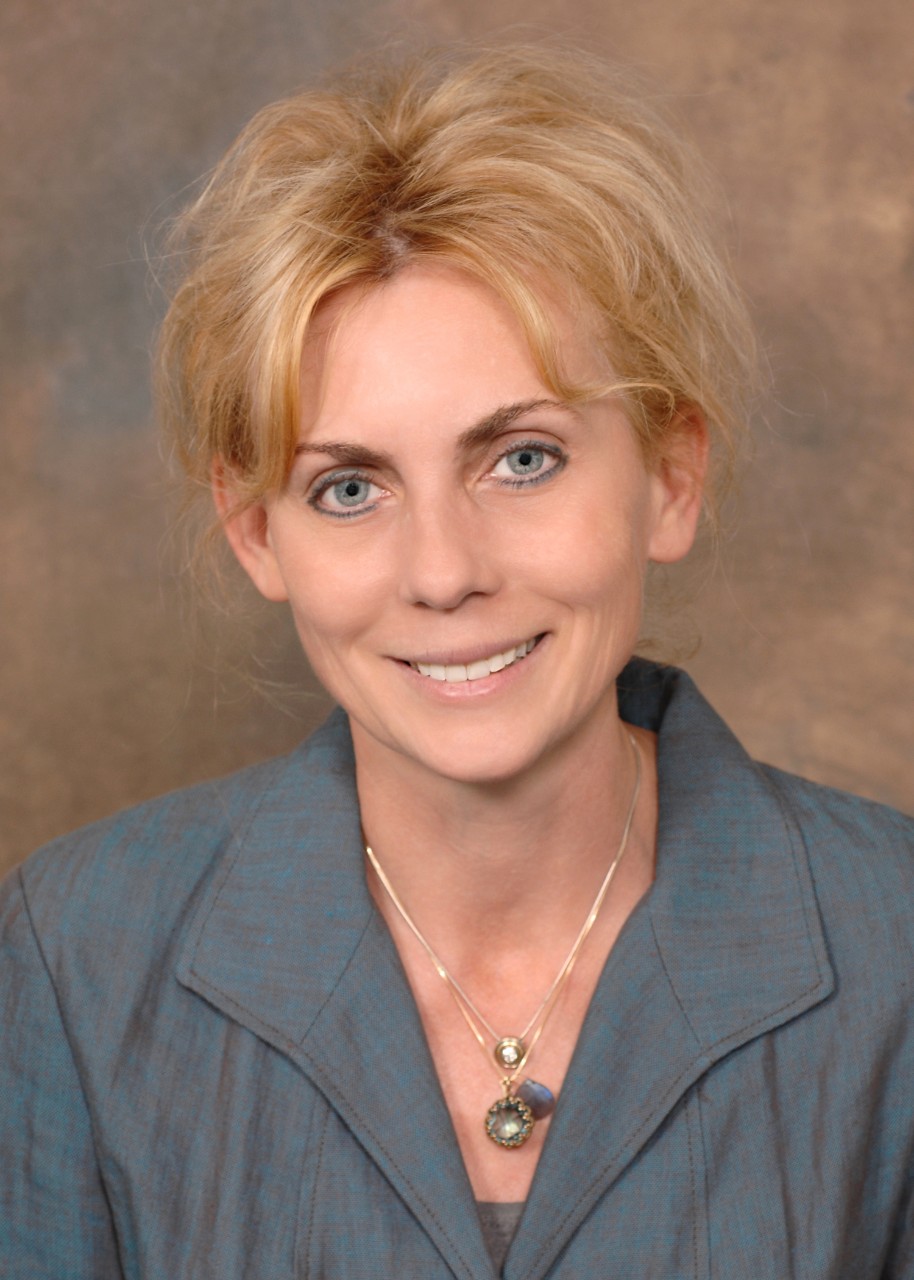
Maria Czyzyk-Krzeska, MD, PhD, professor in the UC Department of Cancer Biology, who studies kidney cancer within the UC Cancer Center. Photo credit/UC Creative + Brand
“Standard analysis of mutations may not have detected the effects of tobacco smoking in kidney cancer, so these results and this study provides important steps toward new and better therapeutic strategies for kidney cancers in both smoking and nonsmoking populations,” says Maria Czyzyk-Krzeska, MD, PhD, professor in the UC Department of Cancer Biology.
The disease studied, called “clear cell renal cell carcinoma,” is the most common type of kidney cancer, but there are few chemotherapy options for advanced cancers, she says.
A multidisciplinary team of UC researchers led by Czyzyk-Krzeska in Cancer Biology, Jarek Meller, PhD, in Environmental and Public Health Sciences, and Julio Landero Figueroa, PhD, in Chemistry, analyzed tissues of patients who were tobacco users as well as those who were not, uncovering the widespread effects of smoking in this form of kidney cancer.
“Importantly, this integrated approach was key to identifying the major metabolic reprogramming in energy and biosynthesis, associated with the presence of cadmium and inorganic arsenic found in cigarettes, together with a distinct signature of copper in tumors from tobacco smokers,” says Maria Czyzyk-Krzeska.
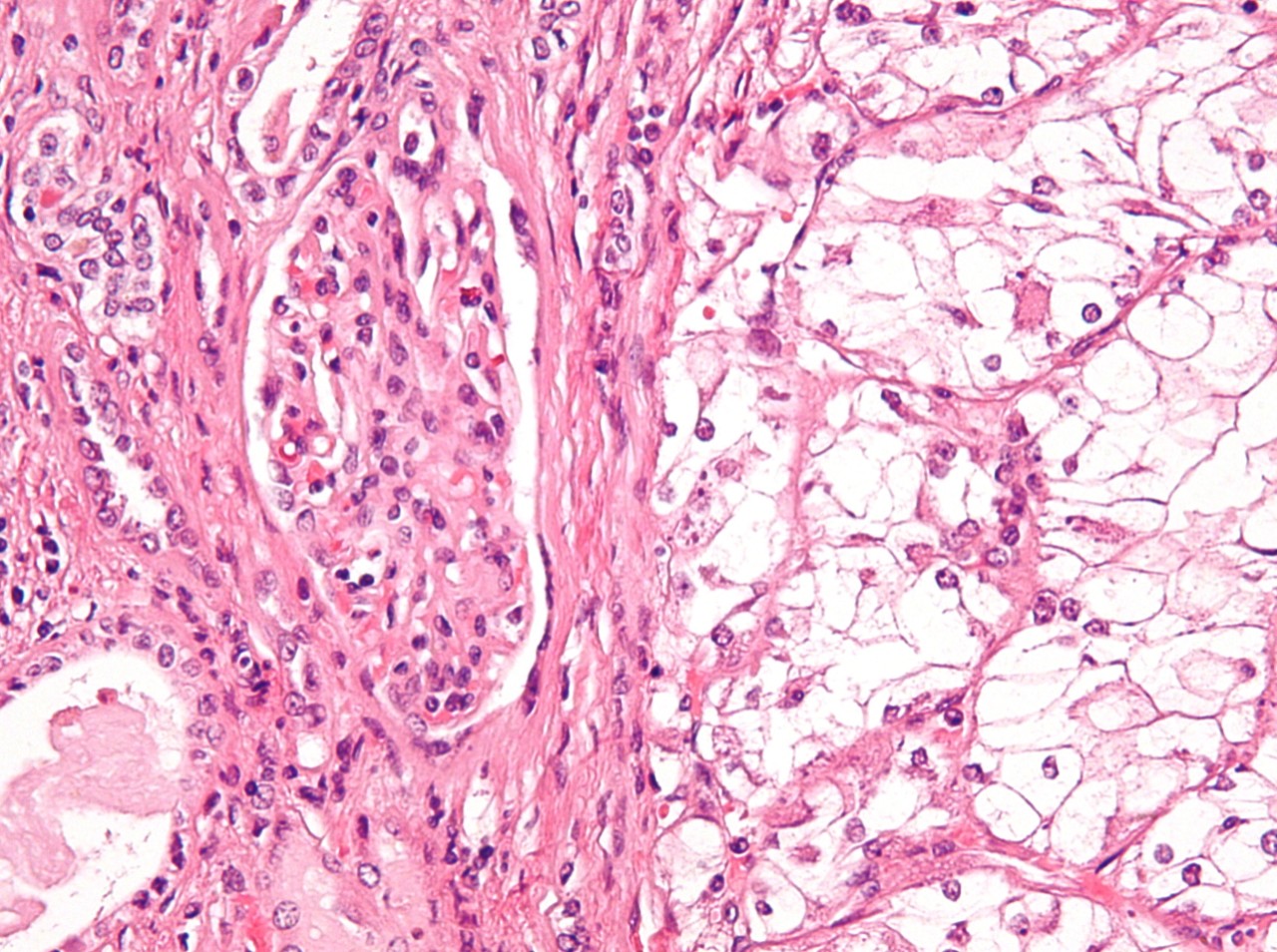
Clear cell renal cell carcinoma, a type of kidney cancer. Photo credit/Wikipedia
The data show that tumors from longtime smokers represent a separate metabolic subtype of kidney cancer with different weaknesses and which could require a dedicated treatment strategy.
“There is a need for an in-depth analysis of metabolic subtypes of these cancers to establish the best way to treat each individual tumor,” she says. “This is one of the earliest studies to establish that this type of analysis is necessary. Personalized, or precision medicine, has the promise of offering a specific and unique therapy based on the molecular landscape of each patient’s cancer.
“This has huge potential to change outcomes for patients, leading to better and longer lives.”
Featured photo of cigarette use courtesy of Unsplash.
Next Lives Here
The University of Cincinnati is classified as a Research 1 institution by the Carnegie Commission and is ranked in the National Science Foundation's Top-35 public research universities. UC's graduate students and faculty investigate problems and innovate solutions with real-world impact. Next Lives Here.
Co-authors on this study include James Reigle, co-first author, Dina Secic, Collin Wetzel, David Plas, John “Tom” Cunningham, Nicholas Talbot, Megan Bischoff, Yongzhen Zhang, Yuanwei Zang, Johnson Chu, UC Department of Cancer Biology; Jarek Meller, Mario Medvedovic, Jacek Biesiada, Behrouz Shamsaei and Xiang Zhang, UC Department of Environmental Public Health Sciences; Julio Landero Figueroa, UC Department of Chemistry; Charuhas Thakar, UC Department of Medicine, Division of Nephrology; Krishnanath Gaitonde and Abhinav Sidana, UC Department of Surgery, Division of Urology; Hai Bui, Cincinnati Department of Veterans Affairs; Qing Zhang, UNC at Chapel Hill Department of Pathology and Laboratory Medicine; and Laura Schmidt and W. Marston Linehan, National Cancer Institute. UC oncologist Shuchi Gulati is a clinical partner on the team.
Czyzyk-Krzeska cites no conflict of interest.
Related Stories
Simple ways to find a deeper sense of happiness and well being
October 8, 2026

UC assistant professor Suzie White, featured in an AARP story on practical ways to live a happier, healthier life, shared research-backed strategies for increasing well-being through gratitude and service to others. White teaches Happiness in Action, a course that helps students apply the science of happiness in everyday life.
New vending machine helps people with addiction
October 8, 2026

The University of Cincinnati's Daniel Arendt was featured in a Spectrum News report on a new harm reduction vending machine installed at the IPM Food Pantry in partnership with the Hamilton County Mental Health and Recovery Services Board.
UC study correlates increased physical activity with slower Parkinson’s progression
October 7, 2026
Higher levels of physical activity were associated with slower declines in thinking and memory as well as slower worsening of movement symptoms for people with Parkinson’s disease, according to a new study led by University of Cincinnati researchers published Oct. 7, 2026, in Neurology.