Atlanta Journal Constitution: Here is why your face mask could be making you itchy
UC physician presents case study at the American College of Allergy, Asthma and Immunology

Yashu Dhamija, MD, presented a case study of a patient treated for contact dermatitis after a facial mask with elastics required him to seek hospital treatment. Dhamija, a first-year fellow at the University of Cincinnati College of Medicine, discussed his findings during this year’s virtual American College of Allergy, Asthma and Immunology Scientific meeting. Atlanta Journal Constitution reported the findings and so did other media.
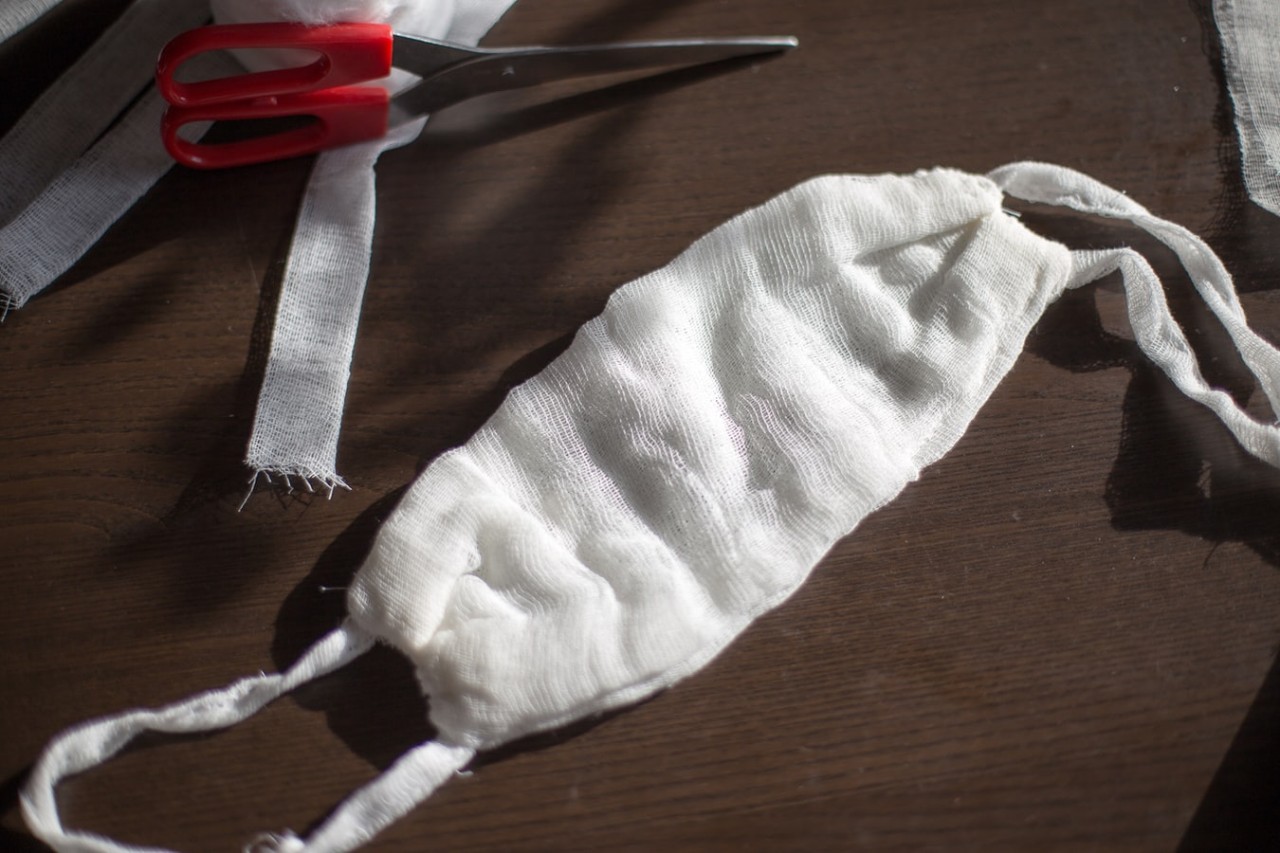
Emergency room physicians initially prescribed prednisone but when his rash continued the patient was told to use cotton-based, dye-free masks without elastic. Facial masks are a must to combat the COVID-19 pandemic. Dhamija said home-made elastic free mask are an option that should be considered in individuals with allergies to elastics and rubber.
Read more about Dhamija's findings.
Other media discuss his research.
Featured image of homemade mask courtesy of Unsplash.
Impact Lives Here
The University of Cincinnati is leading public urban universities into a new era of innovation and impact. Our faculty, staff and students are saving lives, changing outcomes and bending the future in our city's direction. Next Lives Here.
Stay up on all UC's COVID-19 stories, or take a UC virtual visit and begin picturing yourself at an institution that inspires incredible stories.
Related Stories
These teeny spiders are social media stars
August 28, 2026

The New York Times turned to a University of Cincinnati professor to explain the appeal of jumping spiders on social media.
An internal divide among unions on AI impacts the Wisconsin gubernatorial race
August 28, 2026

Anne Lofaso, a professor in the Donald P. Klekamp College of Law at UC, spoke with Wisconsin Public Radio, about the schism among unions over AI and whether it is a plus, a negative, or somewhere in between when looking at job creation.
Designing with cancer patients' needs in focus
August 27, 2026
Kristina Shin is designing garments that prioritize the comfort, function and confidence of breast cancer patients, addressing a need often overlooked by traditional fashion.