
Law Assistant Dean leads community conversation on educational equity

The Office of Research at the University of Cincinnati and the Cincinnati Ethics Center tapped Assistant Dean Na’Tasha Webb-Prather to lead a conversation on educational equity as a preview to Research and Innovation Week. The preview events were designed to challenge thinking through ethical issues related to how we educate ourselves and broader societal issues about access to education for everyone.
Take a moment to view Webb-Prather’s interactive conversation, held Thursday, March 24, 2022.
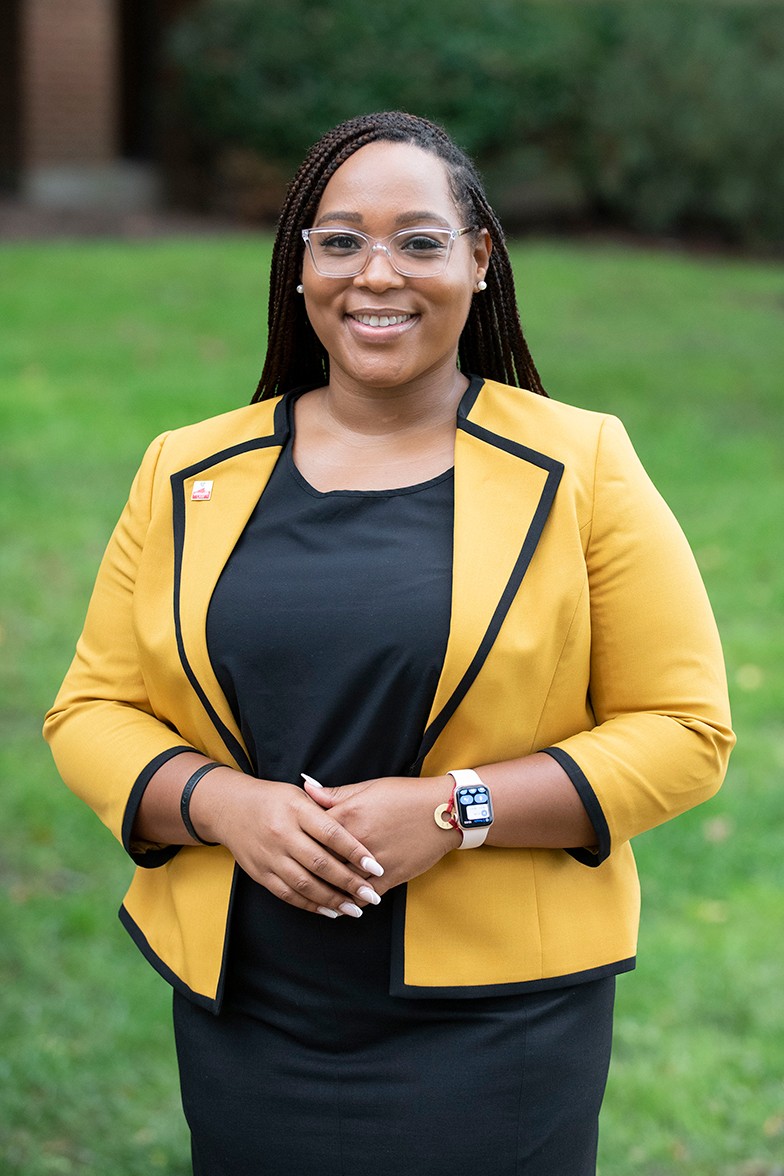
Assistant Dean Na'Tasha Webb-Prather
In her role as assistant dean of student life, community engagement, and equity at the College of Law, Webb-Prather oversees the law school’s student affairs program and is responsible for facilitating student access to academic, co-curricular and social activities at the university. Previously, she was an equity and compliance administrator and worked at the Board of Regents of the University System of Georgia.
The university’s week-long R + I event, March 28-April 1, 2022, will include a series of events examining various aspects of ethics—ethics and equity in academic publishing, ethical issues with cryptocurrency, the global crisis in knowledge production, and leadership. Check their schedule for more information about events and how you can participate.
All events are free and open to the general public.
Tags
Related Stories
Defying the demographic cliff
October 7, 2026

Despite the looming demographic cliff, the University of Cincinnati and five other major Greater Cincinnati universities grew enrollment this fall, with UC reaching a record 54,437 students, helped by strong first-year demand.
Dylan Mulvaney visits CCM, where she got 'the best degree in the world'
October 6, 2026

UC College-Conservatory of Music alumna Dylan Mulvaney (BFA Musical Theatre, '19) visited campus to meet with current students on Friday, Oct. 2. During the 2.5 hour Q & A session, Dylan talked about her career, shared advice and answered questions from CCM's current Musical Theatre students.
UC Clermont's Valentine Johns expands student support through AI
October 6, 2026
Valentine Johns, PhD, associate director of the UC Clermont College Learning Commons, was inspired to champion artificial intelligence through its potential to make academic support more accessible and responsive to students’ needs.