Spectrum News: UC researches racial health disparities in dementia

Hyacinth I. Hyacinth, PhD, MBBS, is currently leading a study seeking to determine how biological differences among racial groups contribute to higher rates of Alzheimer’s disease and related dementias among non-Hispanic Black compared with non-Hispanic white patients. Dementia is more than twice as prevalent in non-Hispanic Black populations compared to non-Hispanic white populations in the United States, after controlling for known risk factors.
Hyacinth, associate professor of neurology and rehabilitation medicine and the Whitaker and Price Chair in Brain Health in UC’s College of Medicine, told Spectrum News the research in part will examine whether there is a higher disease burden of cerebral small vessel disease (CSVD) in non-Hispanic Black patients compared to non-Hispanic white patients. A higher CSVD burden could be one reason for higher rates of dementia and cognitive impairment in non-Hispanic Black patients, he said.
“If we can demonstrate that there is some biology behind these racial disparities and cognitive impairment and dementia, then that becomes a potential target for therapy,” Hyacinth told Spectrum News.
Watch the Spectrum News story.
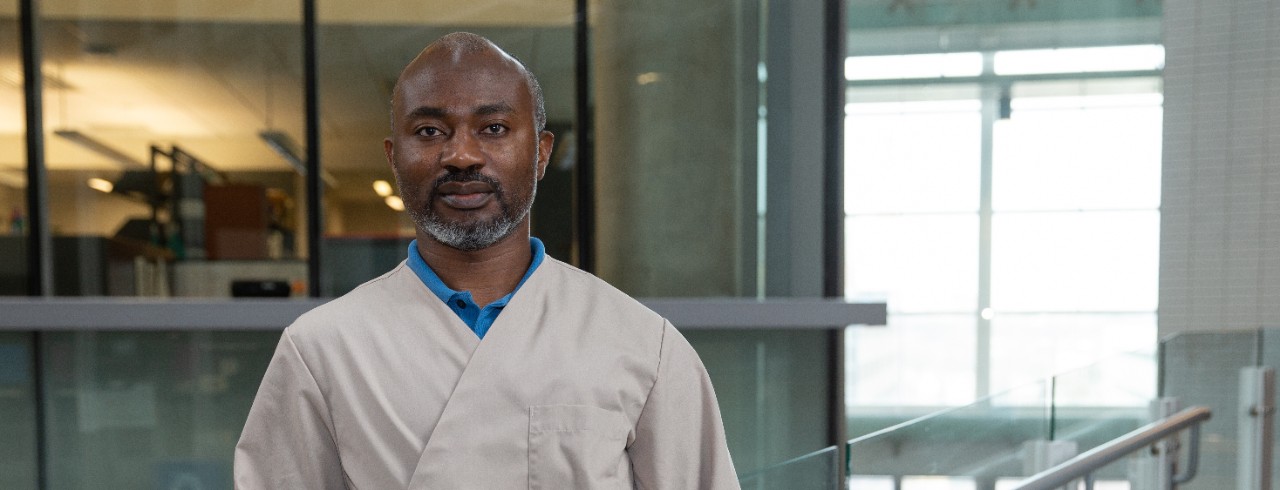
Featured photo of Hyacinth I. Hyacinth. Photo/Andrew Higley/University of Cincinnati.
Related Stories
Heavy social media use linked to depression
August 31, 2026

U.S. News and World Report, Yahoo! News, MSN, USA Today and other national media highlight a new study by the University of Cincinnati and Northwestern University that found a correlation between heavy social media use and depression in adults.
These teeny spiders are social media stars
August 28, 2026

The New York Times turned to a University of Cincinnati professor to explain the appeal of jumping spiders on social media.
An internal divide among unions on AI impacts the Wisconsin gubernatorial race
August 28, 2026

Anne Lofaso, a professor in the Donald P. Klekamp College of Law at UC, spoke with Wisconsin Public Radio, about the schism among unions over AI and whether it is a plus, a negative, or somewhere in between when looking at job creation.