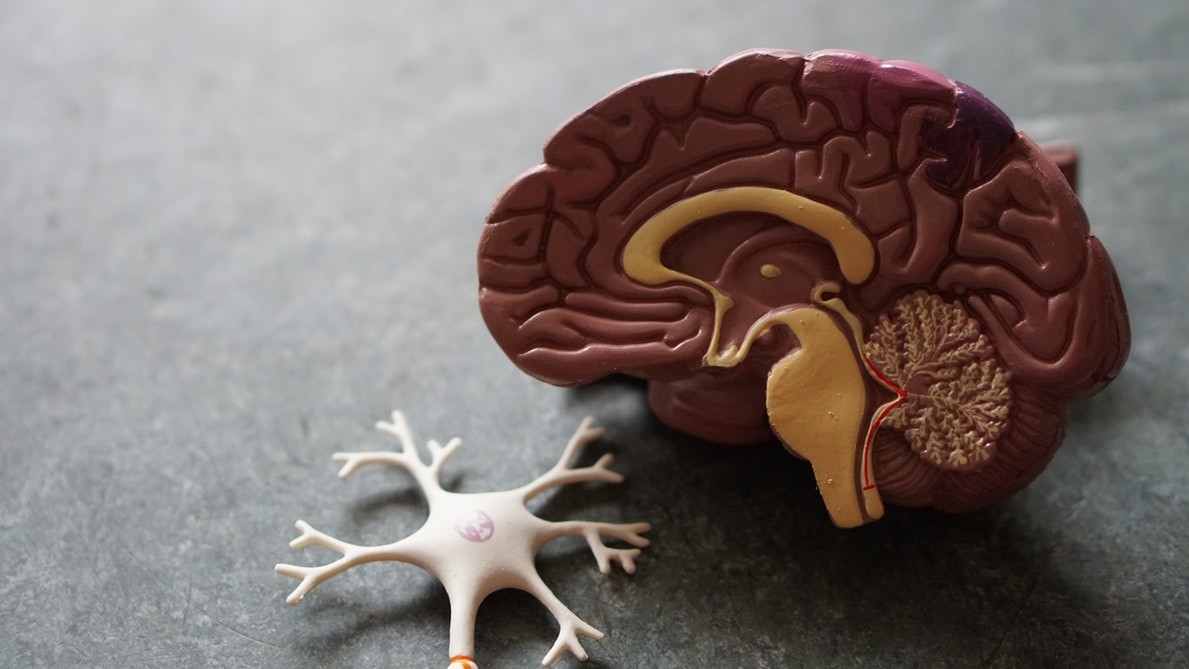
55KRC: UC expert discusses ADHD

According to the Centers for Disease Control and Prevention, millions of children in the United States have been diagnosed with attention-deficit/hyperactivity disorder (ADHD).
The University of Cincinnati's Jenni E. Farrow, MD, recently was a guest on 55KRC's Simply Medicine program and podcast to discuss ADHD.
Farrow explained the chronic neurodevelopmental disorder can be one of three types: predominantly inattentive, predominantly hyperactive or a combined type of both. About 85% of children diagnosed will continue with ADHD through adolescence, and about 50% to 70% will have a recurrent, remitting course of ADHD through adulthood, according to Farrow.
"The thing about ADHD is we think about the core symptoms of inattention, hyperactivity, interrupting, intruding, all of that, but there’s a lot of emotion dysregulation that goes with it that can create lots of kind of interpersonal conflict and just difficulties feeling successful, you know, in relationships and in the classroom," said Farrow, adjunct assistant professor in the Department of Psychiatry and Behavioral Neuroscience in UC's College of Medicine. "So it can really erode self esteem over time. So I believe it’s really important to be evaluated and be treated if appropriate."
Treatments include medication, behavioral therapy and practical positive reinforcements that create environments that reduce distractions, Farrow said.
Listen to the Simply Medicine interview. (Note: Segment begins around 0:31 mark.)
Featured photo at top courtesy of Unsplash.
Related Stories
CCM hosts Conducting Symposium on on Nov. 12-14
July 31, 2026
UC's College-Conservatory of Music hosts the CCM Wind Conducting Symposium on Nov. 12-14, 2026. Open to emerging and established conductors, participants will have the opportunity to conduct CCM ensembles and receive instruction and feedback from CCM Wind Studies faculty Kevin Holzman and Tyler Ehrlich, as well as guest artist/ clinician Jerry Junkin, Director of Bands at The University of Texas at Austin.
As Crosley Tower comes down, UC looks to STEM
July 30, 2026
With demolition of Crosley Tower more than halfway complete, the University of Cincinnati is preparing a, 200,000-square-foot STEM Academic Facility on its Uptown campus, transforming the north side of campus with new classrooms and labs.
UC launches trial to reduce radiation for HPV-positive throat cancer
July 30, 2026
UC radiation oncologist Sara Medek is leading a phase II clinical trial testing whether patients with HPV-positive throat cancer can safely receive lower radiation doses to reduce side effects.