
Spectrum News: UC biologist discusses water pollution
Aquatic toxicologist explains threats to Ohio's waterways

Spectrum News turned to a University of Cincinnati aquatic toxicologist to explain the pollution threats to Ohio's waterways.
Latonya Jackson, an assistant professor of biology in UC's College of Arts and Sciences, told Spectrum News that everyday contaminants can have harmful effects on aquatic wildlife.
“Fish are being affected by everything that we are putting in the water,” she said.
UC Assistant Professor Latonya Jackson studies live-bearing fish in her biology lab. Photo/Andrew Higley/UC Marketing + Brand
This was put in stark relief earlier this year when a train derailment in East Palestine spilled toxic chemicals into the Ohio River, killing fish and prompting treatment plants that rely on the river for drinking water to shut down temporarily.
Jackson joined Spectrum's In Focus host Mike Kallmeyer to discuss how pollution affects rivers, lakes and streams on Earth Day.
“As an aquatic toxicologist, I look at how different contaminants and pollution affect organisms and even humans — anything that comes in contact with the water,” she said.
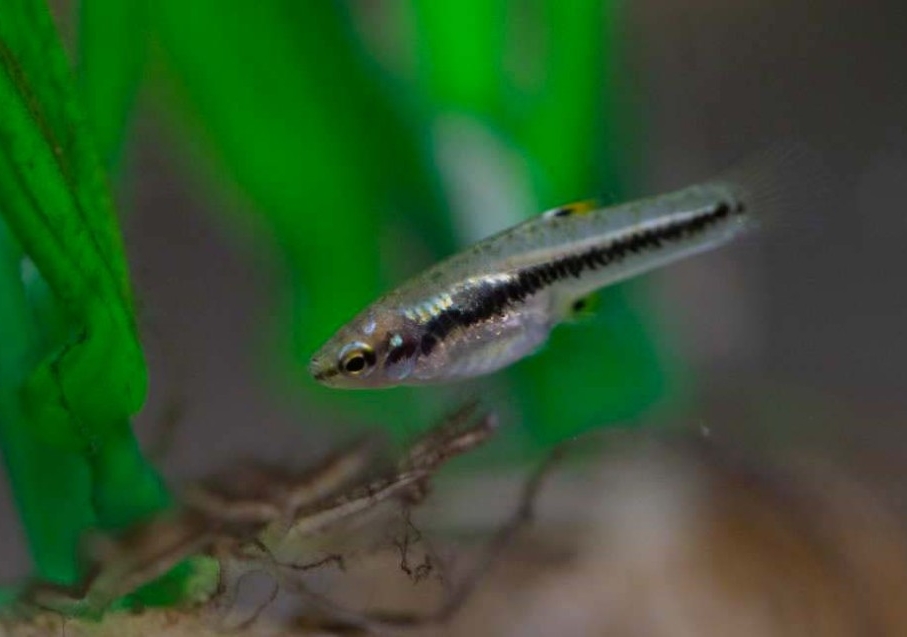
In her lab, Jackson studies live-bearing fish to see how toxins in the water can harm not only adults but their babies as well.
Jackson said scientists today are studying contaminants of emerging concern, including personal-care products, microplastics, tire rubber and medicines that end up in waterways.
“Just about everything that we put down our drains is having a huge negative impact on fish,” she said.
Jackson said she has been following the environmental impacts from the train derailment. While contaminant levels quickly dissipate in the river, the chemicals can have a profound impact on generations of wildlife and the food chain, she said.
“We don't know how it will affect fish and other aquatic animals in the long term,” she said.
Watch the Spectrum News interview.
Featured image at top: UC Assistant Professor Latonya Jackson studies the long-term effects of chemicals on aquatic life. Photo/Andrew Higley/UC Marketing + Brand

UC College of Arts and Sciences Assistant Professor Latonya Jackson is an expert in aquatic toxicology. She studies how chemicals affect fish and other wildlife. Photo/Andrew Higley/UC Marketing + Brand
Related Stories
'There's a strong community here:' UC transfer student finds place in College of Arts and Sciences
October 23, 2026
This week marks National Transfer Students Week, and the College of Arts and Sciences celebrated those students Thursday. Olivia White, assistant director of recruitment, said around 13-15% of students at UC are transfer students, and with that comes its own set of challenges.
UC expert explains potential impact of Pennsylvania’s new vape product law
October 22, 2026

UC professor Ashley Merianos speaks to the Pittsburgh Post-Gazette about Pennsylvania’s new vape law, youth vaping prevention, enforcement challenges and possible unintended consequences.
Still the top ‘cat
October 20, 2026

The University of Cincinnati Bearcat mascot was voted Cincinnati’s favorite mascot in a Cincinnati Enquirer reader poll, earning 45.1% of the vote and topping other local favorites.