
Research reveals insights into transplant rejection, new drug targets
Groundbreaking study led by researchers at UC and Cincinnati Children’s

Imagine a day when a urine test could inform a doctor precisely why a kidney transplant patient was experiencing organ rejection and suggest the best medication for specifically addressing the problem.
That day took a leap closer to reality thanks to a set of single-cell analyses that have identified the most specific cellular signatures to date for kidney transplant rejection. The findings were published in the Journal of Clinical Investigation.
The study results reflect eight years of teamwork led by experts at Cincinnati Children’s Hospital Medical Center and the University of Cincinnati College of Medicine with contributions from researchers at the University of Notre Dame and pharmaceutical corporation Novartis.
Tiffany Shi, an MD/PhD student with the immunology graduate program and medical scientist training program at Cincinnati Children’s was first author. Senior co-authors were David Hildeman, PhD, interim director of the Division of Immunobiology at Cincinnati Children’s, and E. Steve Woodle, MD, professor of surgery and the William A. Altemeier Chair in Research Surgery at the UC College of Medicine. Hildeman and Woodle co-direct the Center for Transplant Immunology at Cincinnati Children’s.

David Hildeman, PhD, interim director of the Division of Immunobiology at Cincinnati Children’s/Photo/Cincinnati Children's
“The available treatments for stopping a rejection event have not changed much in decades. These cellular signatures open the door to establishing an entire new set of anti-rejection therapies,” Hildeman says.
“Having a precision-medicine approach to treating organ rejection has the potential to markedly reduce the threat rejection poses to transplanted organs,” Woodle says. “More follow-up research will be needed, but these findings have implications that extend beyond kidney transplantation to potentially apply to liver and lung transplantation and more.”
Kidney transplantation is the most common form of organ transplant provided after organ failure from diabetes, infections, injuries and other factors. In 2022, surgeons performed 25,498 kidney transplants across the U.S., according to the United Network for Organ Sharing.
Over the past 30 years, gradual improvements have allowed kidney transplants to last longer so that now the “half-life” for living-donor kidneys exceeds 20 years and approaches 12 years for deceased-donor organs.

Steve Woodle, MD, professor of surgery at the UC College of Medicine/Photo/Colleen Kelley/UC Marketing + Brand
“For an older person, these survival rates reflect a pretty long time,” Hildeman says. “But for younger adults and children, the chances of needing a second transplant remain high.”
However, once a kidney transplant recipient experiences acute rejection, many go on to lose their transplant and return to dialysis within one to three years. In addition, once a patient’s immune system rejects one organ, it is much more likely to reject a second transplant.
Over the past 30 years, gradual improvements have allowed kidney transplants to last longer so that now the “half-life” for living-donor kidneys exceeds 20 years and approaches 12 years for deceased-donor organs.
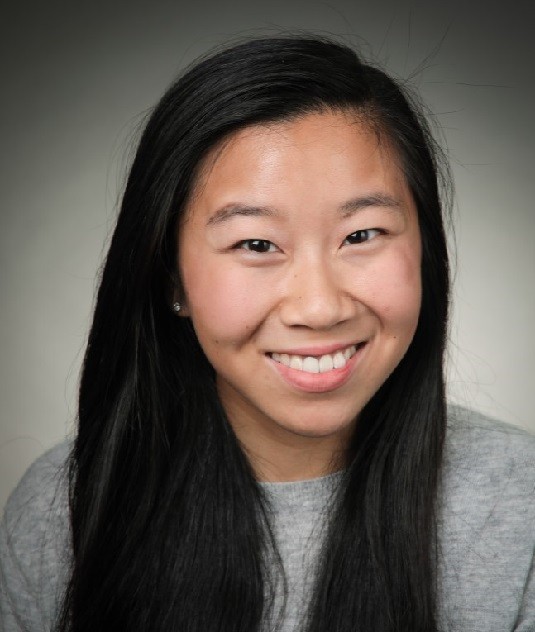
Tiffany Shi, an MD/PhD student at Cincinnati Children’s/Photo/Cincinnati Children's
“The power of what we’re doing comes from being able to look at cells on a single-cell level. We can look specifically at the ones that are responsible for rejection, and we can look at how rejection changes over time as the T cells are shifting their response to different drugs,” Shi says.
“Most people who need an organ transplant never receive one because the supply of donated organs remains so limited,” Woodle says. “Thanks to insights like these, we may be able to substantially reduce loss of transplanted organs to rejection, thereby freeing up donated organs for new transplant recipients.”
In addition to Shi and Hildeman, Cincinnati Children’s co-authors contributing to this study included: Ashley Burg, PhD, Krishna Roskin, PhD, J. Timothy Caldwell, MD, PhD, and Cyd Castro-Rojas, PhD.
In addition to Woodle, University of Cincinnati contributors included two Doctors of Pharmacy, Rita Alloway and Adele Shields.
Next Lives Here
The University of Cincinnati is classified as a Research 1 institution by the Carnegie Commission and is ranked in the National Science Foundation's Top-35 public research universities. UC's graduate students and faculty investigate problems and innovate solutions with real-world impact. Next Lives Here.
Related Stories
UC Foundation celebrates 2026 philanthropy winners
October 23, 2026
The University of Cincinnati Foundation recognized its Outstanding Philanthropic Volunteer Award honorees at the George Rieveschl Recognition Dinner on October 22, 2026.
AI breast cancer survival model from Cancer Center could improve accuracy and personalize care
October 23, 2026
UC Cancer Center researchers, including lead author Wedad Alatebi, developed a deep learning survival model for breast cancer that combines detailed clinical and genetic information, potentially offering physicians a more accurate tool to guide treatment decisions.
UC expert explains potential impact of Pennsylvania’s new vape product law
October 22, 2026

UC professor Ashley Merianos speaks to the Pittsburgh Post-Gazette about Pennsylvania’s new vape law, youth vaping prevention, enforcement challenges and possible unintended consequences.