WIRED: The Future of Children’s Television Isn’t Television
UC children’s media expert Nancy Jennings cited in article on the future of children’s programing

Once upon a time children’s programing was relegated to Saturday morning cartoons on a handful of television networks. Then, in the 1980s, cable television led to the addition of kid-specific channels – such as Nickelodeon and the Disney Channel – with more children’s content available on VHS tapes, and later DVDs, from rental services like Blockbuster and Family Video.
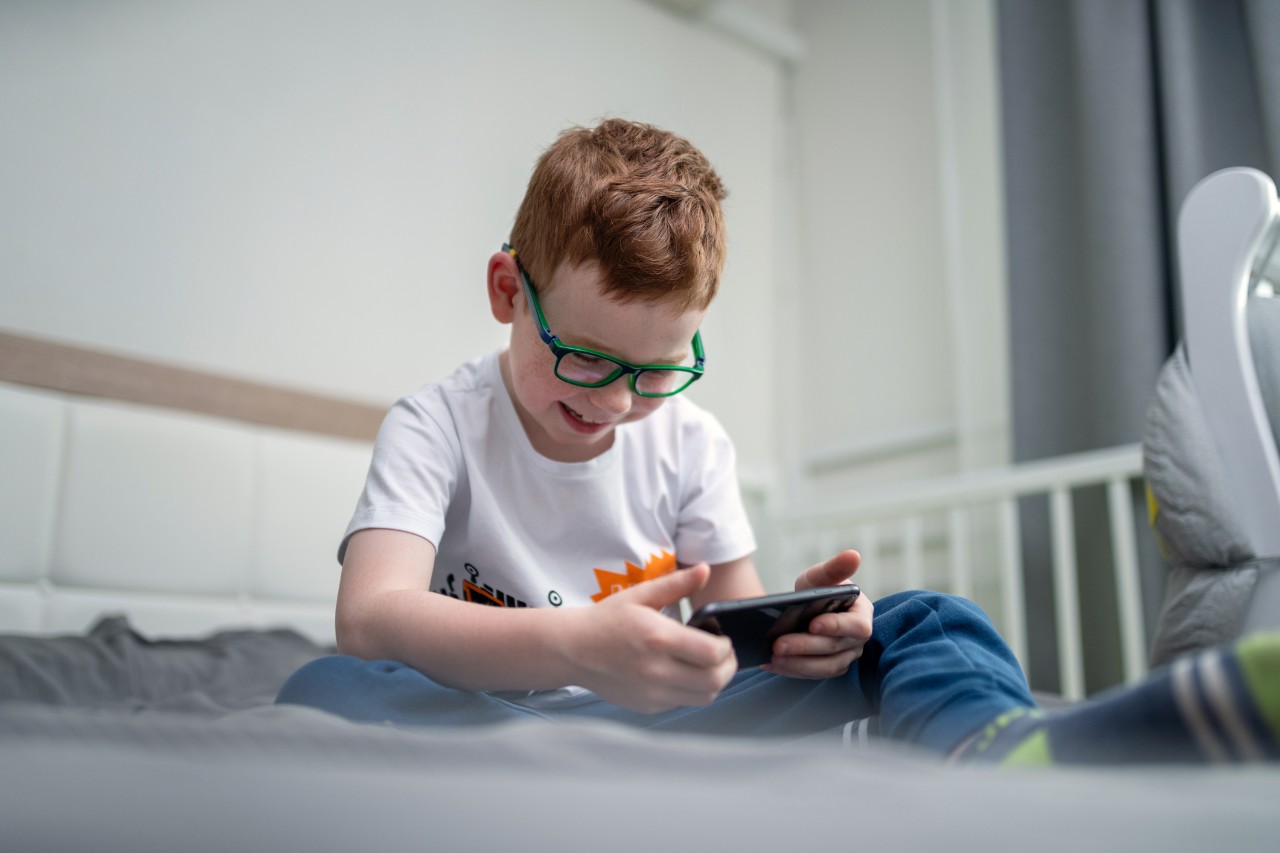
Today, however, children’s programing is available all day, every day and YouTube is busting out as the most popular platform.
“Time spent with YouTube is even higher than it is with streaming content,” UC’s children’s media expert Nancy Jennings tells WIRED in an article about the current and future state of children’s programing.
The article goes on to summarize the competition between YouTube and streaming services such as Netflix and Paramount who are all trying to capture the children’s programing market.
Jennings, a professor in the School of Communication, Film and media studies, is the director of UC’s Children's Education and Entertainment Research Center and studies the impact of media on the lives of children and their families and public policies, and practices involved with children’s media. Her research focuses on children's cognitive and social development and their use of media.
Featured image at top iStock photo/sankai
Impact Lives Here
The University of Cincinnati is leading public urban universities into a new era of innovation and impact. Our faculty, staff and students are saving lives, changing outcomes and bending the future in our city's direction. Next Lives Here.
Related Stories
These teeny spiders are social media stars
August 28, 2026

The New York Times turned to a University of Cincinnati professor to explain the appeal of jumping spiders on social media.
An internal divide among unions on AI impacts the Wisconsin gubernatorial race
August 28, 2026

Anne Lofaso, a professor in the Donald P. Klekamp College of Law at UC, spoke with Wisconsin Public Radio, about the schism among unions over AI and whether it is a plus, a negative, or somewhere in between when looking at job creation.
DAAP professor and artist turns grass clippings into biodegradable art
August 27, 2026
Through biodegradable bioplastic made from grass clippings, Supermrin shows how creativity can connect science, sustainability and everyday life.