
New York Times: When your workout stops working
UC expert suggests a method of getting muscles to work smarter, not harder

Starting up a new exercise routine can be challenging. The first weeks can produce trembling muscles, burning lungs and a racing heart. But after a month or two, it gets easier: You’re running faster and longer, or lifting weights with more ease. Then suddenly, progress slows or stalls. You’ve hit a workout plateau.
In article on this topic published by the New York Times, several experts were interviewed, including Brian Grawe, MD, of the Department of Orthopaedic Surgery at the UC College of Medicine.
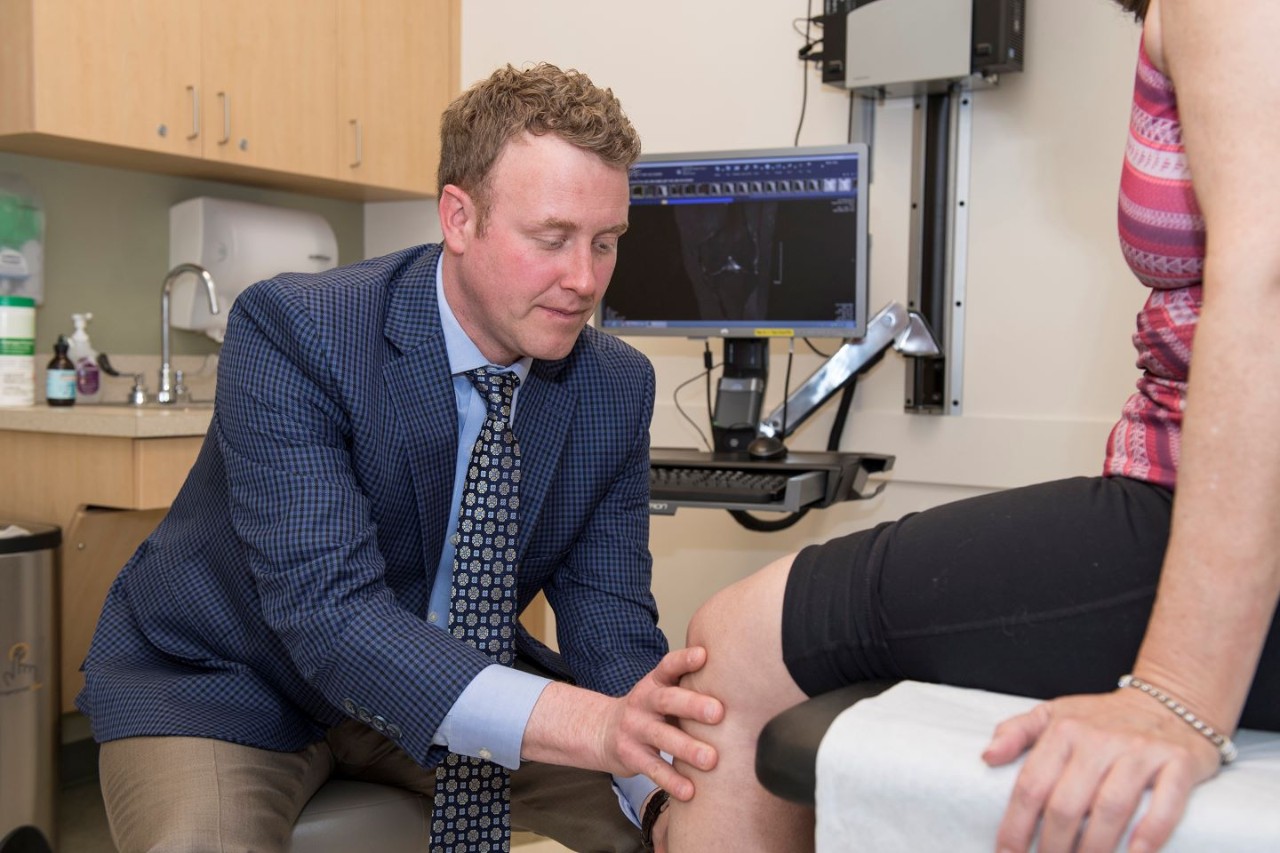
Brian Grawe, MD, of the Department of Orthopaedic Surgery at the UC College of Medicine/Photo/Colleen Kelley/UC Marketing + Brand
The Times reported that plateaus can happen once the body adapts to a new workout. After just a few training sessions, the brain can become more skilled at telling muscles to move. And, usually over the course of weeks or months, the body itself changes.
The article went on to describe some strategies to help overcome unwanted plateaus, including multi-tasking exercises to produce more widespread results.
One option is to wear a cuff around a muscle during exercise. This practice, known as blood restriction therapy, limits blood flow to mimic the effect lifting weights has on the muscle.
“It allows your muscles to work smarter, not harder,” gaining strength while lifting less weight, said Grawe. While the tool is safe, Grawe recommended consulting a personal trainer or doctor before using one.
Lead photo/Alex Wroblewski/New York Times
Next Lives Here
The University of Cincinnati is classified as a Research 1 institution by the Carnegie Commission and is ranked in the National Science Foundation's Top-35 public research universities. UC's graduate students and faculty investigate problems and innovate solutions with real-world impact. Next Lives Here.
Related Stories
How can Cincinnati provide more affordable housing? This new lab aims to find out
October 16, 2026

The University of Cincinnati Real Estate Center helped launch a new regional research and development initiative designed to identify, test and scale solutions to the region’s housing challenges called the Housing Innovation Lab. The project is built around a simple idea: What if communities approached housing challenges the way leading companies approach innovation?
Collaboration over consultation
October 16, 2026
New University of Cincinnati research published in the journal Health Expectations found stroke survivors participating in rehab research desire an approach that prioritizes shared decision-making, peer relationships and a focus on what they can accomplish rather than their deficits.
Cincinnati Spotlight features CCM's new Conservatory Series concerts
October 15, 2026

Cincinnati Public Radio features CCM's new Conservatory Series in its latest "Cincinnati Spotlight." The series launches on Wednesday, Oct. 21 with its inaugural "Grand Tradition" concert featuring a variety of CCM's distinguished faculty artists.