The uncredited workers behind Carl Blegen's excavation at Troy
UC expert explores the local laborers who make archaeology discoveries possible

WVXU's Cincinnati Edition spoke to a researcher at the University of Cincinnati about the unheralded laborers who made UC's 1930s discoveries at Troy possible.
UC Classics research associate and archivist Jeff Kramer examined the issue for a paper published in the journal Bulletin of the History of Archaeology.
Kramer created a digital archive of pictures and documents from UC archaeologist Carl Blegen’s influential 1930s project that identified nine periods of reconstruction and evidence of a great battle and fiery devastation that some historians said was suggestive of the ransacking of Troy. But in the four double volumes published on the project, the workers who made the team’s discoveries possible are mentioned briefly and only once, Kramer said. While this omission was hardly unusual in the early days of archaeology, Kramer said it ignores their important contributions to our understanding of ancient civilizations.

Laborer Kani Barin works in a pot-mending shed at Troy. UC Classics research associate Jeff Kramer wrote about the central role laborers, particularly Barin, played in UC's 1930s excavation of the ancient city. Photo/UC Classics
Blegen made significant discoveries about ancient Greece for the American School of Classical Studies in Athens before coming to UC and beginning a new project at Troy in Turkey.
“Blegen was already a rock star of archaeology,” Kramer told Cincinnati Edition host Lucy May.
The expedition conducted excavations at Troy over seven years.
Kramer pored over Blegen's journals, correspondence, expense ledgers, receipts and site photographs to piece together the story of the workers.
Blegen hired dozens of local laborers who worked on the excavations, erected the site's support buildings and cooked meals. And Blegen kept meticulous records of both the site excavations and its expenses, Kramer said.
Kramer said many attitudes have changed when it comes to crediting everyone who contributes to archaeology projects today.
“One aspect of the most successful digs is involvement from the local community,” Kramer said. “This is their cultural heritage.”
Listen to the Cincinnati Edition interview.
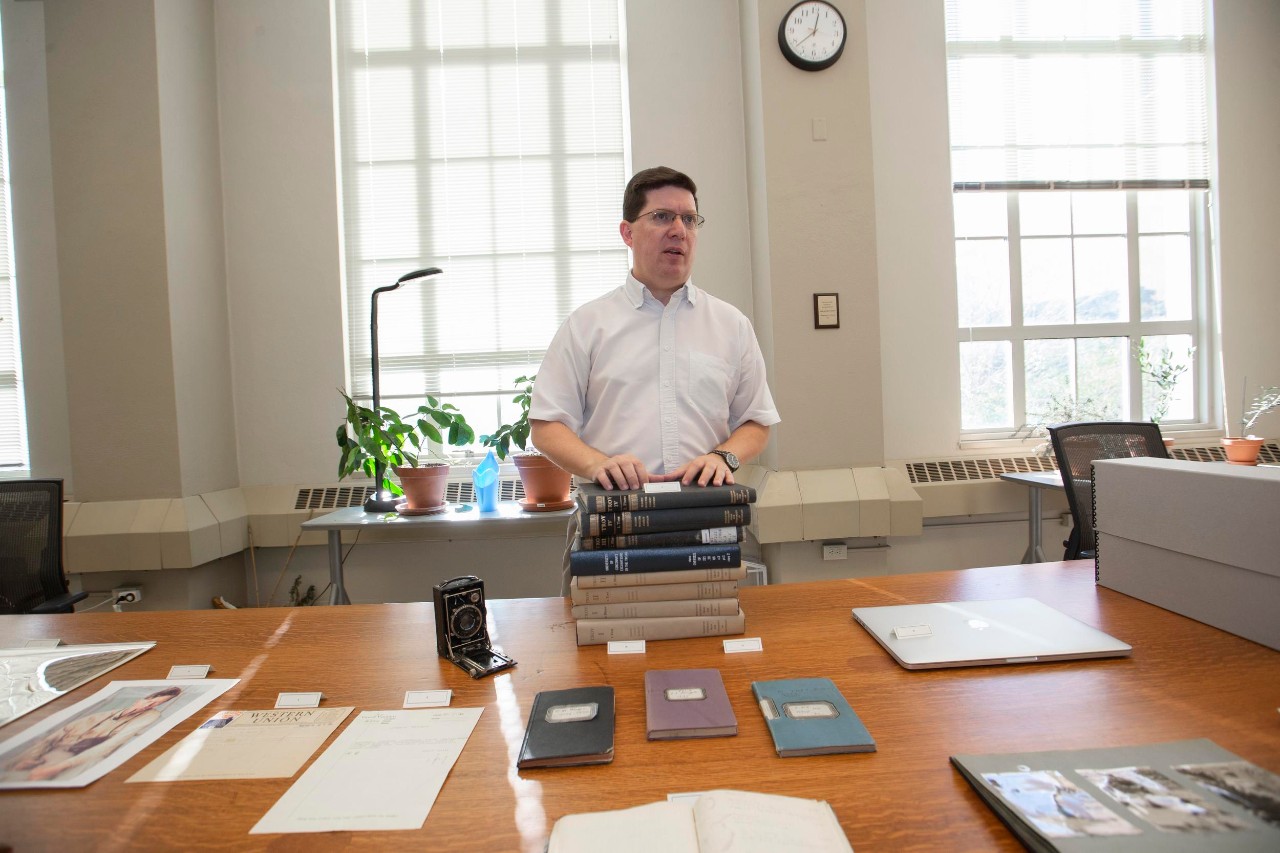
Featured image at top: UC Classics researcher and archivist Jeff Kramer stands in front of some of the publications, journals, documents and photos from UC's 1930s Troy expedition. Photo/Joseph Fuqua II/UC

WVXU's Cincinnati Edition host Lucy May, left, talks to UC Classics research associate Jeff Kramer about the workers who made UC's Troy discoveries possible in the 1930s. Photo/Michael Miller
More UC Classics in the news
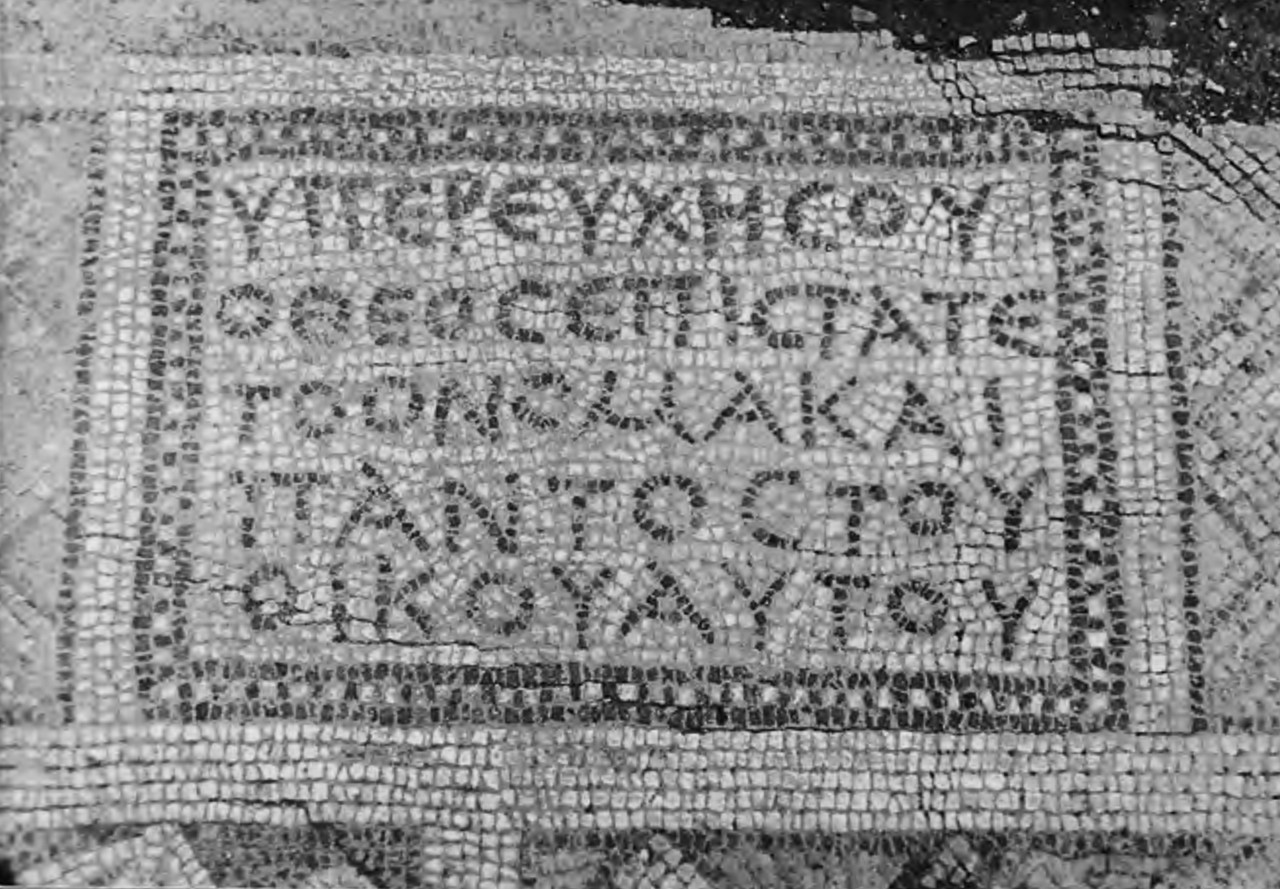
A mosaic discovered during Carl Blegen's excavations at Troy. Photo/UC Classics
- Archaeology Magazine: UC archivist reexamines Troy's unsung heroes
- Wonder World: UC researcher explores Troy's invisible workers
- La Vanguardia: (Spain) The forgotten story of Albanian refugees in the excavation of Troy
- Polskie Radio: (Poland) The forgotten explorers of Troy
Related Stories
DAAP appoints Joseph Heathcott as new associate dean for research
August 27, 2026
DAAP appoints new associate dean for research Joseph Heathcott, who will bring a nationally recognized voice in urban development, design and research to the University of Cincinnati starting this fall 2026.
UC co-op earnings climb to $99.5 million
August 17, 2026
University of Cincinnati co-op students earned $99.5 million in 2025-26, a 5.69% increase, with 9,614 co-op enrollments and 1,798 employers across top industries.
UC expert offers advice to Cincinnati on climate change
August 14, 2026

In an op-ed, UC Associate Professor Bob Hyland talks about ways Cincinnati can become more resilient in face of climate change.