Radiologists outline keys to imaging success as fall sports return
UC experts speak with Aunt Minnie radiology publication

Fall sports season is in full gear, and with it comes the potential for injuries for athletes from youth recreation leagues to professional leagues.
The University of Cincinnati's Tim Klostermeier, MD, and Carl Flink, MD, spoke with Aunt Minnie about radiologists' role in diagnosing and treating sports injuries.
Klostermeier said preparing for an uptick in musculoskeletal imaging in the fall doesn't have to be daunting for radiologists.
“I love the role I play in diagnosing and treating these athletes. I do want to stress the team approach,” Kolstermeier, assistant professor of radiology in UC's College of Medicine and a UC Health radiologist, told AuntMinnie.com. “There’s a lot of things from the injury to them being treated urgently, from getting them in a scanner and diagnosing them to taking them to the treatment phase.”
Flink said the radiology team, along with other multidisciplinary specialties, are prepared for whatever injury comes their way.
“I don’t want to minimize things, but a patient, no matter how high the profile or how complex the trauma is, that’s something we’re always prepared to handle,” Flink, associate professor of radiology in UC's College of Medicine and a UC Health radiologist, said.
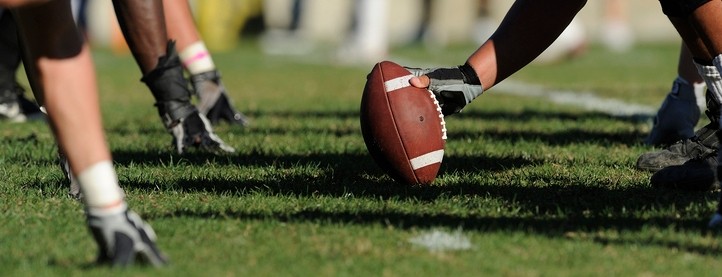
Featured photo at top of high school football players lining up on the line of scrimmage. Photo/Matt_Brown/iStock.
Related Stories
These teeny spiders are social media stars
August 28, 2026

The New York Times turned to a University of Cincinnati professor to explain the appeal of jumping spiders on social media.
An internal divide among unions on AI impacts the Wisconsin gubernatorial race
August 28, 2026

Anne Lofaso, a professor in the Donald P. Klekamp College of Law at UC, spoke with Wisconsin Public Radio, about the schism among unions over AI and whether it is a plus, a negative, or somewhere in between when looking at job creation.
On-site training in Speech & Hearing Clinic sets UC’s programs apart
August 27, 2026
At the University of Cincinnati’s Speech & Hearing Clinic, Doctor of Audiology and Speech-Language Pathology graduate students gain real-world experience while providing free speech and hearing services to the community.