
This Christmas, try a ‘sustainabiliTREE’
UC professor offers advice about green decorating alternatives this holiday season

Dreaming of a green Christmas? Why not try a “sustainabiliTREE?“
Americans will buy as many as 30 million live Christmas trees this holiday and another 13 million artificial ones. But University of Cincinnati Assistant Professor-Educator Teri Jacobs said there are other more sustainable options.
She teaches in UC’s School of Environment and Sustainability.
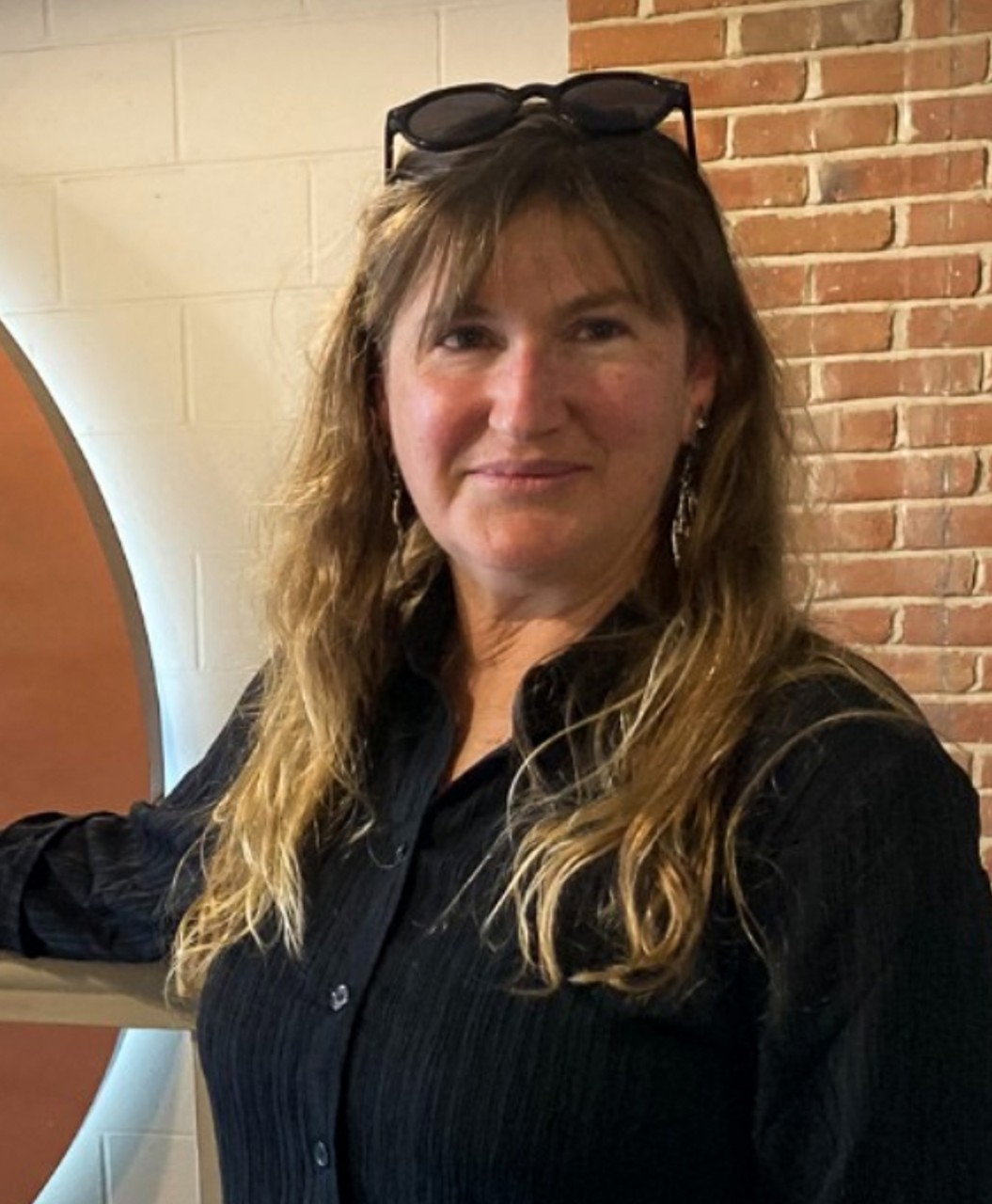
Teri Jacobs
Jacobs recommends buying a live potted tree that can be planted in the yard after the holidays.
Cut trees can still provide valuable backyard wildlife habitat after New Year’s, she said.
“It’s best if no pesticides or fertilizers were used in its production. Farms that employ agroecological safe practices safeguard water, soil, air and biodiversity,” Jacobs said.
Artificial trees have their merits if you can find one at a thrift, antique or vintage shop, she said.
“My parents gave me the tree I grew up with,” she said.
“I wouldn’t suggest buying a new artificial tree. I’m 100% against plastic. But research shows that an artificial tree that is kept for more than five years is more sustainable than cutting down a real tree each year,” she said.
While a tree is traditional, Jacobs said there are other ways to get into the holiday spirit.
“You can refuse to buy any Christmas tree and just create a festive home with crafts. This reduces consumption, pollution and waste,” she said.
And who says a Christmas tree has to be a Christmas tree? Jacobs said decorating indoor plants can be fun.
“Buy an indoor Ficus tree and decorate it!” she said. “Bonus: It will freshen your indoor air.”
Featured image at top: 'Tis the season to make wise environmental choices, UC's Teri Jacobs says. Photo/Colleen Kelley/UC
Innovation Lives Here
The University of Cincinnati is leading public urban universities into a new era of innovation and impact. Our faculty, staff and students are saving lives, changing outcomes and bending the future in our city's direction. Next Lives Here.
Related Stories
'There's a strong community here:' UC transfer student finds place in College of Arts and Sciences
October 23, 2026
This week marks National Transfer Students Week, and the College of Arts and Sciences celebrated those students Thursday. Olivia White, assistant director of recruitment, said around 13-15% of students at UC are transfer students, and with that comes its own set of challenges.
UC Foundation celebrates 2026 philanthropy winners
October 23, 2026
The University of Cincinnati Foundation recognized its Outstanding Philanthropic Volunteer Award honorees at the George Rieveschl Recognition Dinner on October 22, 2026.
AI breast cancer survival model from Cancer Center could improve accuracy and personalize care
October 23, 2026
UC Cancer Center researchers, including lead author Wedad Alatebi, developed a deep learning survival model for breast cancer that combines detailed clinical and genetic information, potentially offering physicians a more accurate tool to guide treatment decisions.