The mystery of what’s causing young people’s cancer leads to the gut
UC expert featured in Wall Street Journal article

The University of Cincinnati Cancer Center's Jordan Kharofa was featured in a Wall Street Journal article discussing the role of diet and the gut in rising levels of gastrointestinal (GI) cancers among young people.
GI cancer rates among people under 50 are increasing worldwide. Colorectal cancer is the leading cause of cancer death in the U.S. in men under 50 and second for women behind breast cancer. As these rates increase, more researchers including Kharofa have turned to the gut for answers.
“There’s an interplay most likely between the things we eat, the bacteria in the gut, and what those bacteria produce,” said Kharofa, MD, a Cancer Center physician researcher and associate professor and vice chair of education in the Department of Radiation Oncology in UC's College of Medicine.
Kharofa's research has found one species of bacteria in the gut that is associated with a sulfur microbial diet, or a diet that is both high in processed meats, low-calorie drinks and liquor and low in raw fruits, vegetables and legumes, is found in higher levels in young colorectal cancer patients.
Read more about Kharofa's research.
Read the Wall Street Journal article.
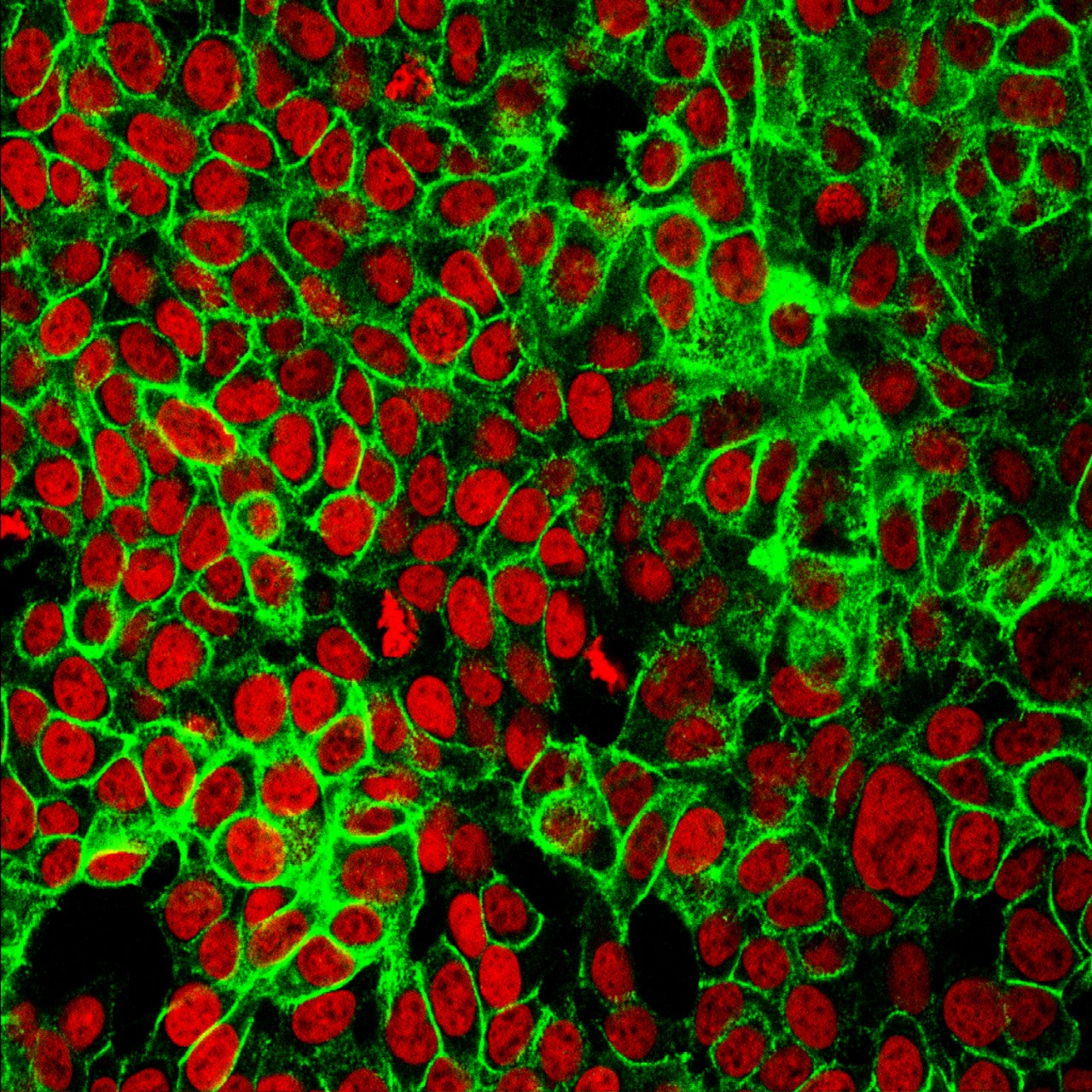
Featured photo at top of colorectal cancer cells courtesy of the National Cancer Institute.
Related Stories
Is Cincinnati building new homes fast enough?
September 22, 2026

Gary Painter, professor and academic director of the Real Estate Center at UC's Lindner College of Business, offers comments on affordability issues in Cincinnati.
'Discovery, mentorship, momentum': UC College of Medicine's graduate programs celebrate year of success
September 22, 2026
From new mentorship honors to a growing research pipeline, see how the University of Cincinnati College of Medicine's graduate programs made this a standout year.
Tina Cheng, MD, receives American Academy of Pediatrics’ highest honor
September 22, 2026
UC Pediatrics chair Tina Cheng, MD, has received the American Academy of Pediatrics' highest honor for her decades of advancing child health.