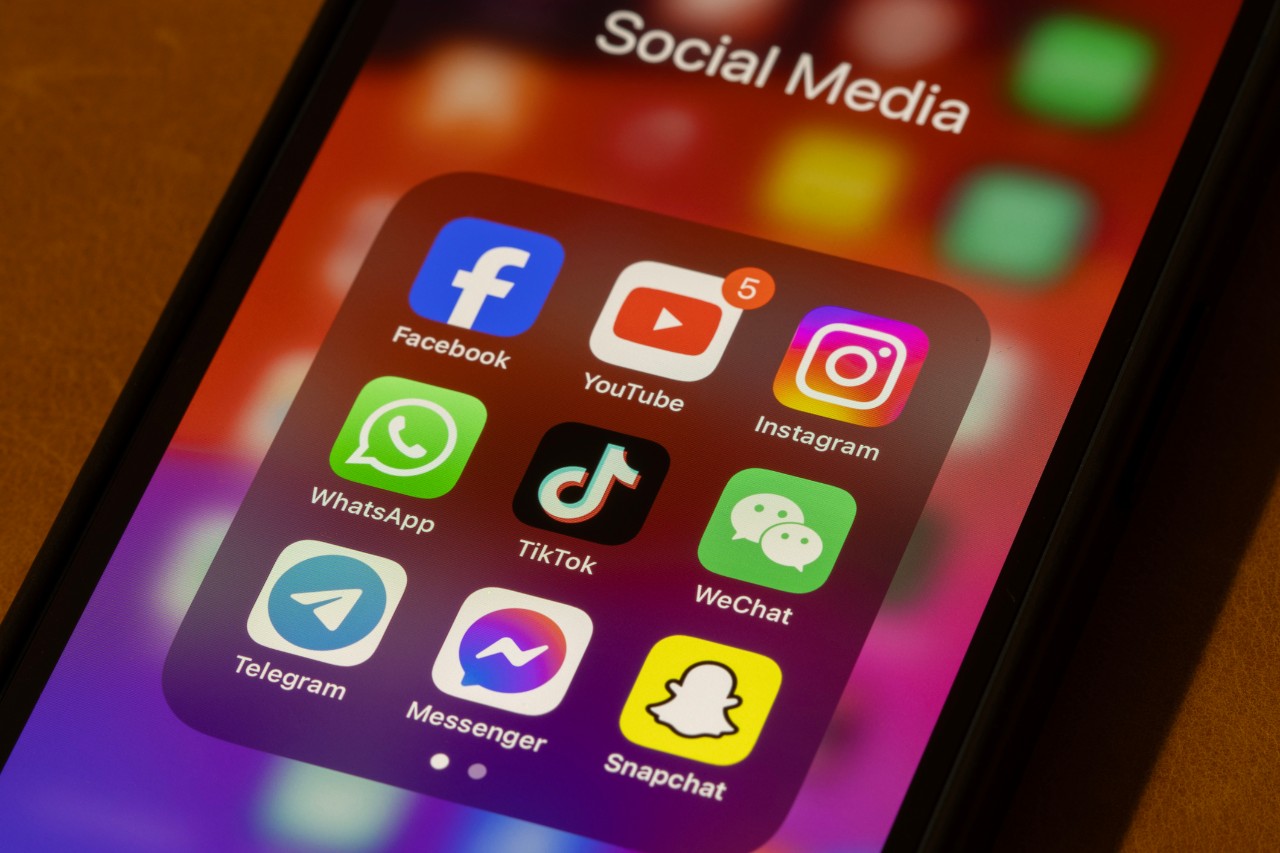
WDET: Potential U.S. TikTok ban weighs national security against free speech
UC cybersecurity expert speaks with Detroit public radio

Richard Harknett, PhD, professor and director of the UC School of Public International Affairs, spoke with Detroit public radio about the implications of a pending U.S. Supreme Court ruling on whether a law requiring TikTok’s China-based parent company, ByteDance, to cut ties with the platform is constitutional.
The law was passed by bipartisan majorities and signed by President Joe Biden in April, citing national security concerns over the risk of user data and other sensitive information falling into the hands of the Chinese government through coercion. Still, the company and many of the app’s users say the law restricts the free speech of its 170 million U.S. users.
The Supreme Court heard oral arguments in a legal challenge to the statute last week.
Harknett, also chair of UC’s Center for Cyber Strategy and Policy, discussed the potential national security threat China poses with “The Metro” on WDET.
“So why did Congress pass this law?” Harknett asks during the segment. “This law has been passed and it is being challenged before the Supreme Court to say whether this is unconstitutional. You had Democrats and Republicans come together on this.
“The main concern is that China has a specific national security law that requires tech companies, both domestic and foreign, to share a lot of stuff with the Chinese Communist Party, you know, the Chinese government,” Harknett told public radio.
The Chinese government could readily gain access to the information if it deemed the data vital to national interests, says Harknett. In the U.S., the government would have to jump through many legal hurdles to gain access to personal data, information or a company’s information, he adds.
“There is this legal structure in China that puts ByteDance in sort of a very different place that concerns Congress,” says Harknett. “The Chinese government under this law can force this company to give it a lot of access including its encryption keys and source codes that would get at personal data.”
Elizabeth Stoycheff, PhD, head of the journalism program at Wayne State University in Detroit, also joined Harknett on WDET to discuss how a TikTok ban in the United States could impact free speech and censorship.
Listen to the full WDET segment online. (starts at 1:02:54)
Learn more about Richard Harknett, PhD, online.
Related Stories
Cancer Center plays key role in lab research, clinical trials for new pancreatic cancer drug
September 1, 2026

WLWT and WCPO highlighted the contributions of University of Cincinnati Cancer Center researchers that helped lead to the recent FDA approval of daraxonrasib, a new treatment for pancreatic cancer.
An expert pieced together this Roman document like a puzzle
September 1, 2026

National media highlighted a new project by UC Classics Assistant Professor Matthijs Wibier to piece together and translate an ancient Roman text from fragments buried in the desert for more than 1,600 years.
Her book drive is changing literacy in Cincinnati
August 31, 2026

WCPO highlights a nonprofit dedicated to childhood literacy that has offers co-op positions to UC students.