
CCPS champions experiential learning in higher education
Dean Clare shares her perspective with The Chronicle of Higher Education

The University of Cincinnati has long been a leader in experiential learning, embedding hands-on, career-focused opportunities into its undergraduate programs. In a recent virtual panel hosted by The Chronicle of Higher Education, Michelle Clare, Dean of the College of Cooperative Education and Professional Studies at UC, shared insights into the institution’s approach to preparing students for the workforce through its renowned cooperative education (co-op) program and other experiential learning initiatives. The discussion, moderated by Liz McMillen, highlighted UC’s strategies for integrating career preparation into academic structures and overcoming faculty skepticism.
A legacy of experiential learning
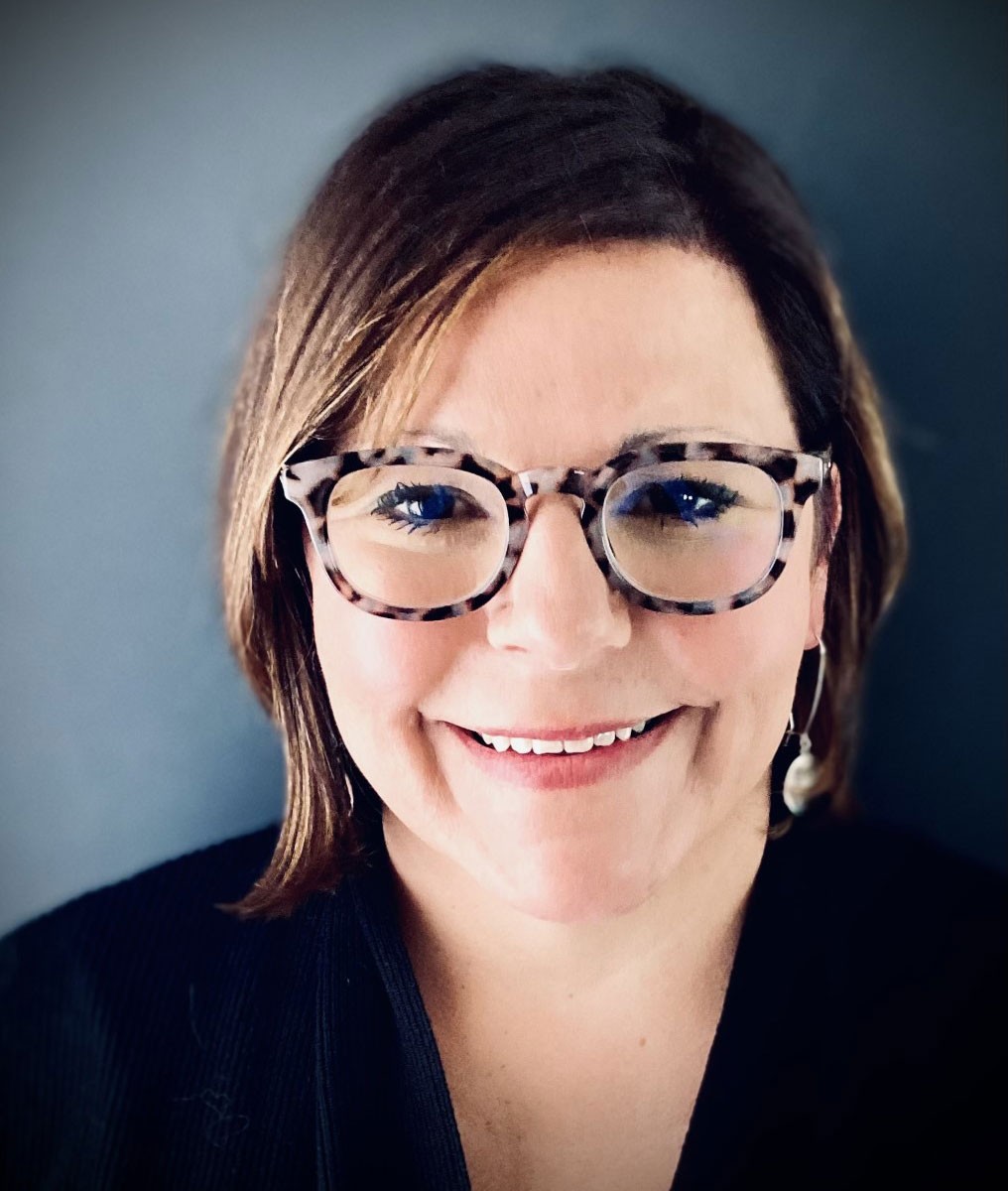
Michelle Clare, Dean of the College of Cooperative Education and Professional Studies
Dean Clare emphasized that experiential learning is a cornerstone of UC’s undergraduate education. “All of our students, as undergrads, have to engage in some kind of experiential learning,” Clare said. UC’s hallmark co-op program, which focuses on paid opportunities, ensures students gain practical experience while pursuing their degrees. This approach aligns with the university’s mission to make education accessible and impactful, particularly through paid positions that enhance affordability and student mobility.
Clare noted that while paid co-ops are a priority, UC also supports students in fields like education and healthcare, where unpaid clinicals or student teaching are common. “The important thing is, students are getting the experience that they need and that helps them get their degree,” she said.
All of our students, as undergrads, have to engage in some kind of experiential learning.
Dean Clare, College of Cooperative Education and Professional Studies
Overcoming faculty resistance
Integrating career preparation into academic curricula can sometimes face pushback from faculty who view higher education as more than just a pathway to employment. Clare acknowledged this challenge, particularly in UC’s College of Arts and Sciences, which recently adopted co-op tracks for most of its departments. To address faculty concerns, UC framed experiential learning as a tool for empowering students and deepening their understanding of disciplinary content.
Drawing on the educational philosophy of John Dewey, Clare explained that applying knowledge in real-world contexts enhances learning outcomes. “When you talk about the outcomes that really matter to faculty, and you’re able to talk to them in that way, then you can get over the hump of just seeing this as helping job placement or wages,” she said. This approach has helped UC secure buy-in from faculty across disciplines.
Aligning with state priorities
As state governments, including Ohio’s, increasingly emphasize workforce development and the return on investment of higher education, institutions are under pressure to prioritize career preparation. Clare advised colleges to embed experiential learning into academic frameworks to ensure broad student participation. At UC, career preparation is a general education requirement for all undergraduates, ensuring that even students who might not otherwise seek out such opportunities benefit from them.
“The more you can incorporate this type of programming into your academic structures, the better,” Clare said. She stressed the importance of top-down support from institutional leaders and alignment with state priorities to drive systemic change. By making career preparation a mandatory part of the academic experience, UC ensures that all students, particularly those who need the most support, have access to transformative opportunities.
A model for the future
UC’s long-standing commitment to experiential learning offers a model for other institutions looking to balance academic rigor with workforce readiness. By fostering paid co-op opportunities, engaging faculty in meaningful dialogue, and integrating career preparation into the curriculum, UC is preparing students not just for jobs, but for fulfilling careers.
Featured image at top: Andrew Higley/University of Cincinnati
Watch now
For more insights from Dean Michelle Clare, watch the full panel discussion online.
Related Stories
From hobbyist photographer to professional educator
October 9, 2026

DAAP alum and photographer HATSUE studied communication design after a pivot in high school from a track toward veterinary school. Today, they teach photography at 1001 Colors white working as an artist and curator in Cincinnati.
UC researcher to launch national study with $2.5 million NIH grant
October 9, 2026

A University of Cincinnati researcher has received a $2.5 million National Institutes of Health grant to conduct research during the next five years. Natalie Kreitzer, MD, a University of Cincinnati College of Medicine physician-researcher, received an R01 independent research grant from the NIH's Eunice Kennedy Shriver National Institute of Child Health and Human Development. The funding will support a test program for caregivers of patients with traumatic brain injury, as reported by the Cincinnati Business Courier.
Lighting up the skyline for Blink
October 9, 2026
A team of University of Cincinnati College-Conservatory of Music students designed “Echoes of Light,” a music-and-light installation on Ohio’s largest mural for BLINK, Cincinnati’s massive public light and art festival.