
Shifting Forces: The evolving debate around dark energy
UC researcher weighs in on how new evidence challenges established science

Scientists are revisiting the mystery of dark energy, the force thought to be steadily pushing the universe to expand faster.
According to an “Undark Magazine” article, data from a new scientific device shows that dark energy might not be a constant after all and could be changing over time.
Scientists cited say that more research and observations are needed before upending long held beliefs.
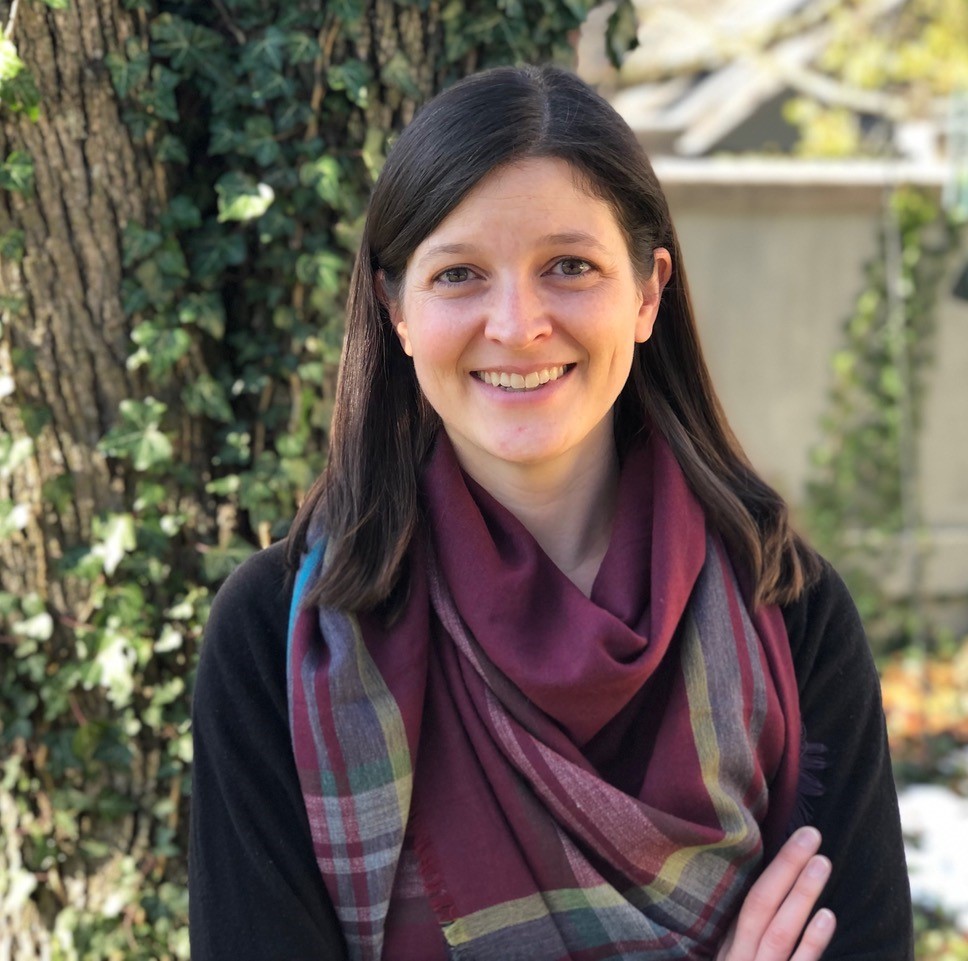
Melissa Jaquart, assistant professor of philosophy. Photo provided by Jaquart.
In the article, Melissa Jaquart, a philosopher of science at the University of Cincinnati, explains that it can be hard to reconsider ideas we’ve held for a long time; especially in scientific discovery where scientists often stick to theories that fit their usual way of thinking about the world, which can reflect personal bias.
Jacquart says many areas of physics focus on consistency — the idea that things always work the same way — and that this preference for simplicity can make scientists want to keep things easy to understand.
According to the article, these new results could mean the universe won’t continue expanding forever in the same way, possibly leading to new ideas about how the universe will end.
Read the full "Undark Magazine" article.
Featured photo at top of dark space by iStock Photo/alexaldo.
Impact Lives Here
The University of Cincinnati is leading public urban universities into a new era of innovation and impact. Our faculty, staff and students are saving lives, changing outcomes and bending the future in our city's direction Next Lives Here.
Related Stories
UC Speech & Hearing Clinic serves patients while acting as training site
September 30, 2026

The University of Cincinnati's Speech & Hearing Clinic provides graduate students in audiology and speech-language pathology with hands-on experience while delivering care to patients across the region. Located on the university's medical campus, the clinic serves patients of all ages and was recently featured on Spectrum News 1 Ohio.
UC economist warns of higher heating costs this winter
September 30, 2026

David Brasington explains why home heating will cost so much this winter and how to save money.
Former mistress of convicted pastor and former American Idol contestant likely won’t face criminal charges
September 30, 2026

Mark Godsey, a criminal law professor in the Donald P. Klekamp College of Law at the University of Cincinnati spoke with NBC News about a criminal case that has attracted national attention.