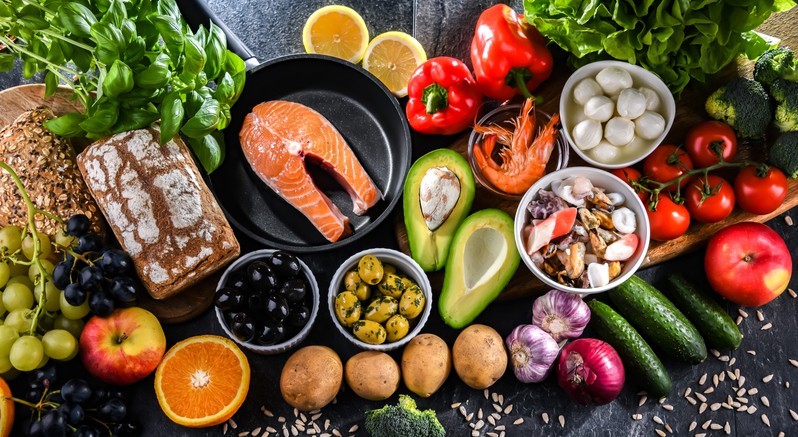
Mediterranean diet for liver disease: How the right fats can help
UC expert featured in WebMD story

Being diagnosed with liver disease can feel like a lot to handle. Metabolic dysfunction-associated steatotic liver disease (MASLD) happens when fat builds up in the liver, and the patient also has diabetes, obesity, high blood pressure or high cholesterol. The Mediterranean diet has proven benefits for adults with MASLD, as WebMD recently reported.
Food is energy, and energy builds up if we don't use it, said Andres Gomez-Aldana, MD, an associate professor of clinical medicine specializing in gastroenterology and transplant hepatology at the University of Cincinnati College of Medicine. The body turns extra energy into fat, which it stores for later use. Just like other areas of the body, the liver can hold onto fat.
"The liver is the first organ that receives all the energy that you are eating after it's passed through the GI [gastrointestinal] tract," said Gomez-Aldana.
When fat builds up in the liver, it causes inflammation. The immune system then attacks liver fat, causing scarring that's known as fibrosis. When fibrosis becomes severe, it's called cirrhosis.
A person's diet can affect how well they're able to manage MASLD, especially when a person reaches their 40s and beyond and their cardiometabolic risk rises.
The Mediterranean diet is proven to help prevent MASLD from getting worse. Fruits, vegetables and whole grains are rich in nutrients called polyphenols, which travel to the liver and break down fat, lowering inflammation, said Gomez-Aldana.
The Mediterranean diet can help a person lose weight too, said Gomez-Aldana. Vegetables high in fiber, such as lettuce and broccoli, make a person feel full so they eat less.
Olive oil also causes the body to release its own GLP-1, a hormone that moderates blood sugar levels, hunger and digestion. That means consuming olive oil can help a person feel full, said Gomez-Aldana.
Read the full WebMD article for which foods to eat and which foods to avoid.
Featured image at top: iStock/monticelllo.
Related Stories
Phenols, found in many products, could upset heart's rhythms
October 7, 2024

Chemicals called environmental phenols include food preservatives, plastics ingredients such as BPA and the parabens in shampoos, so they are ubiquitous in everyday life. Now, University of Cincinnati research suggests that higher exposure to phenols might trigger changes in the heart's electrical system and rhythms.
Struggling with daily HIV meds?
March 23, 2026

For many people living with HIV, staying healthy depends on something deceptively simple: taking a pill every day. But for those navigating unstable housing, stigma, mental health challenges or addiction, that daily routine can be hard to maintain. As Yahoo!Health recently reported, a new study suggests there may be a better option.
UC researchers work to understand how extreme heat impacts older adults
June 1, 2026

University of Cincinnati College of Medicine researchers are working to understand how extreme summer heat affects older adults’ health, as reported by 91.7 WXVU News recently. George Leikauf, PhD, co-director of UC's Center for Collaboration on Climate and Community for Health (C4H) and a professor in the Division of Pulmonary, Critical Care and Sleep Medicine within the Department of Internal Medicine, is leading a study to track the health of older Cincinnatians who live without air conditioning during heat waves.