UC expert leads international effort to update clinical guidance for lipid management
Shailendra Patel, MD, oversees development of key resources

Shailendra B. Patel, MD, PhD, University of Cincinnati professor in the College of Medicine's Division of Endocrinology, Diabetes & Metabolism in the Department of Internal Medicine, recently led a major international effort to update clinical guidance for lipid management.
As chair of the 2025 American Association of Clinical Endocrinology (AACE) Dyslipidemia Algorithm, Patel oversaw the development of two key resources: the 2025 AACE Clinical Practice Guideline on Pharmacologic Management of Adults with Dyslipidemia and the AACE Consensus Statement: Algorithm for Management of Adults with Dyslipidemia – 2025 Update.
These evidence-based tools offer clinicians more concise, patient-centered strategies to prevent atherosclerotic cardiovascular disease and manage lipid disorders — including rare and complex conditions — more effectively. The accompanying algorithm features scannable visuals and tables designed for rapid consultation at the point of care, helping providers make informed decisions in real time.
The 2025 update includes expanded guidance for managing hypertriglyceridemia, clarifies outdated therapies such as niacin, and addresses lipid management in special populations often excluded from clinical trials — such as older adults, patients who are pregnant, cancer survivors and individuals receiving gender-affirming care.
Patel discussed the global collaboration and key updates in a recent AACE Podcast episode, “2025 Algorithm for Management of Adults with Dyslipidemia Update Overview.”
"We are now entering a different level of sophistication in clinical science, right? So, we initially had science that was just translated, but people interpreted it," said Patel during the podcast. "We are now getting much more professional in saying let's look at the evidence base, and then we come out with the guidelines that are just evidence-based, and that evidence base has improved because our ability to do really high quality clinical science has really improved."
Patel also said the international, multidisciplinary involvement in developing the updated algorithm shows the advice has broad applicability and relevance.
“My team and I are incredibly proud of these guidelines,” Patel shared recently. “Their most positive attribute is how patient-centric they are. We created highly science-based and evidence-based guidelines that are all-encompassing, yet structured for rapid consultation. This allows physicians to quickly find the answers they need when they are right in front of the patient, streamlining the path to effective care.”
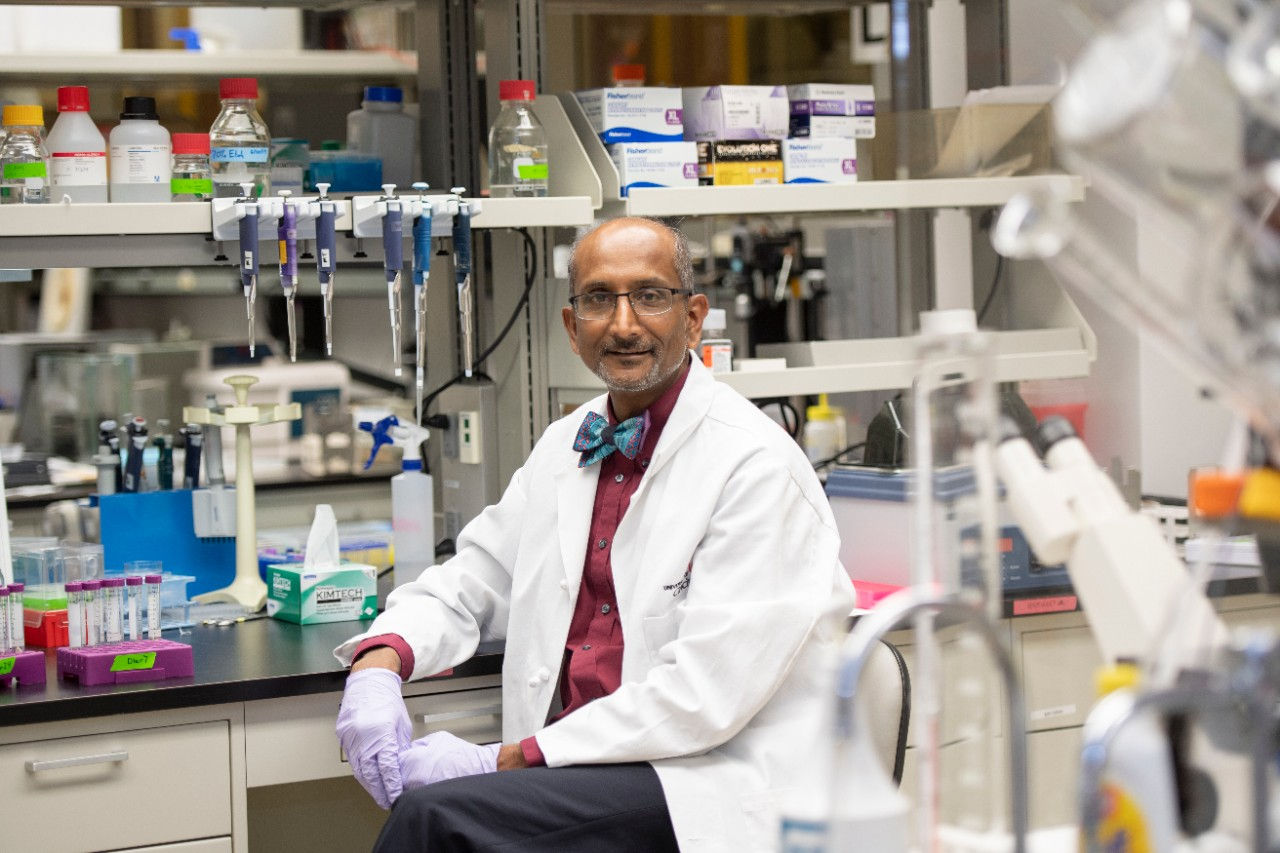
Featured image at top: Shailendra Patel, MD, in the lab. Photo/University of Cincinnati.
Related Stories
Struggling with daily HIV meds?
March 23, 2026

For many people living with HIV, staying healthy depends on something deceptively simple: taking a pill every day. But for those navigating unstable housing, stigma, mental health challenges or addiction, that daily routine can be hard to maintain. As Yahoo!Health recently reported, a new study suggests there may be a better option.
Certain weather patterns can trigger migraines
June 30, 2026

Certain weather patterns really do trigger migraine headaches — and the incidence is more common in the Midwest. As WGN 9 in Chicago recently reported, researchers at the University of Cincinnati College of Medicine have identified two specific weather patterns associated with an increased risk of headaches.
Bidirectional link between oral, kidney health calls for patient education, access
August 4, 2026

Despite growing awareness of the connection between oral health and chronic health conditions, patient awareness and access to dental care remain limited, according to University of Cincinnati experts who recently spoke with Healio | Nephrology News & Issues.