
Why do female caribou have antlers? They eat them
Scientific American highlights UC Geosciences research in the Arctic

Scientific American and other national media highlighted a new study by geosciences researchers at the University of Cincinnati that offers a new theory explaining why female caribou have antlers.
Caribou, also called reindeer, are the only deer in the world in which both sexes have antlers.
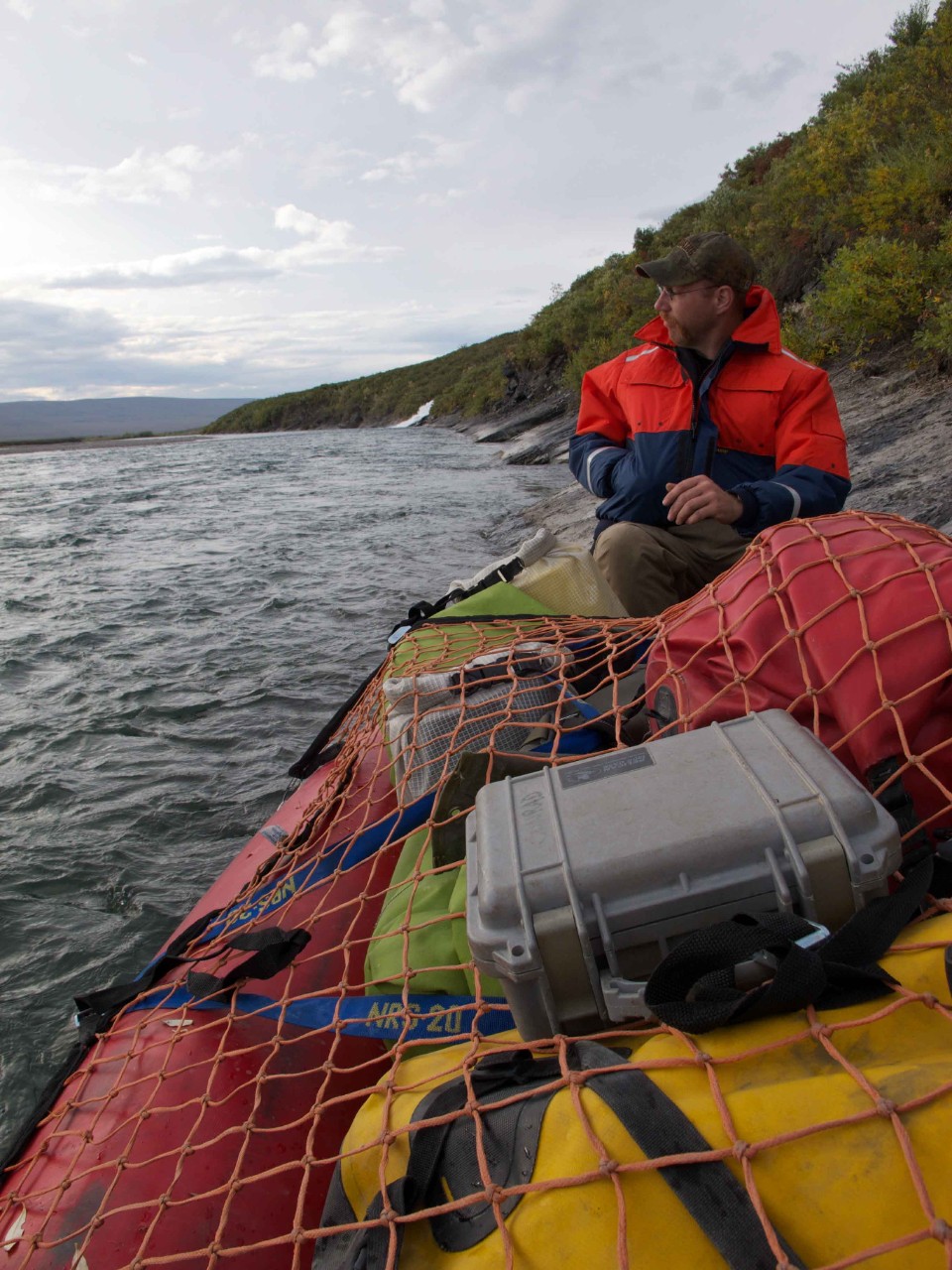
Researchers use a rigid inflatable boat while studying caribou in the Arctic National Wildlife Refuge. Photo/Joshua Miller
In a paper published in the journal Ecology and Evolution, UC College of Arts and Sciences Associate Professor Joshua Miller and doctoral graduate Madison Gaetano theorize that it's because the animals, females in particular, derive important nutrition from shed antlers when and where they need it most — their calving grounds.
An analysis of antlers and bones collected in the Arctic National Wildlife Refuge, where caribou in enormous numbers migrate each year, found that caribou gnaw on antlers shed years earlier to supplement their diets with minerals like calcium and phosphorous.
Researchers discovered that a vast majority of antlers collected in the Arctic for the study had telltale gnaw marks left behind by caribou. The area of the study is a historic calving ground for the Porcupine caribou herd, which makes an epic 1,500-mile migration each year.
Antlers and bones take decades or centuries to decompose in the cold, arid landscape of the Arctic. Since female caribou shed antlers around the time of year they give birth, they have a ready source of minerals to draw upon to support them and their newborns.
UC researchers discovered that caribou ignore the bones but regularly eat antlers starting at the tips of their slender tines.
“[Caribou] are just really going after the antlers. They are highly selective,” Miller told Scientific American.
Scientists know that rodents and other animals gnaw on bones and antlers. But UC researchers determined that the primary culprit gnawing on caribou antlers in the Arctic are other caribou.
The study found that 86% of the 1,567 antlers they examined showed signs of gnawing and 99% of the gnaw marks were left by caribou. Researchers observed marks from rodent teeth on less than 4% of gnawed antlers. And they found evidence of carnivore gnaw marks on bones collected for the study but not antlers.
Read the Scientific American story.
Featured image at top: UC Associate Professor Joshua Miller, left, U.S. Fish and Wildlife Service employee Maria Berkeland and UC doctoral graduate Madison Gaetano conduct research on caribou in the Arctic National Wildlife Refuge. Photo/Provided
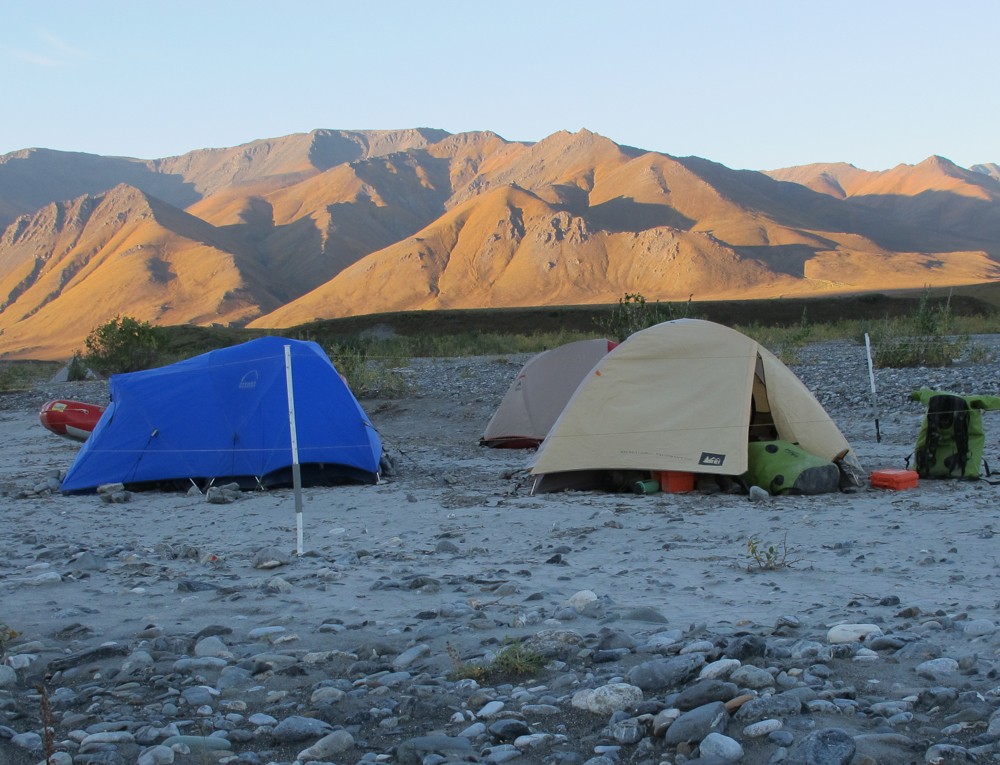
UC researchers ringed their campsites with an electric fence each night to ward off bears while using a rigid inflatable boat to navigate rivers in the Arctic National Wildlife Refuge. Photo/Joshua Miller
More UC Geosciences in the news
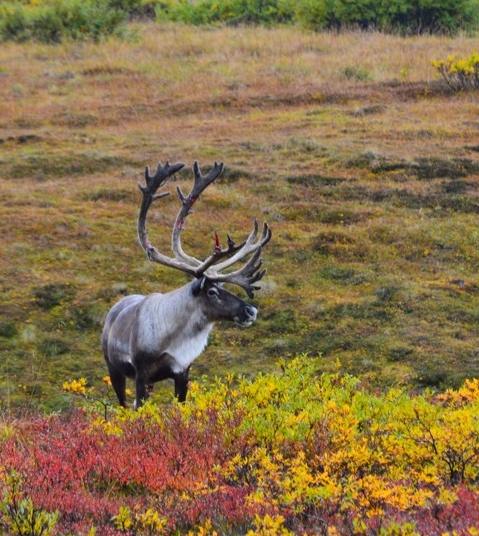
A caribou bull in fall tundra. Photo/Lucian Provines
- Smithsonian: Caribou are the only deer in which females have antlers. Scientists just figured out why
- Scientific American Podcast: Researchers solve reindeer antler mystery
- Billings Gazette: Female caribou carry important food supply in their antlers
- Bioengineer.org: The reason female caribou grow antlers: A scientific insight
- Independent (UK): Caribou eat antlers to survive epic migration
- Eurasia Review: Why do female caribou have antlers?
- Discover Magazine: Female caribou eat antlers to survive
Related Stories
Telescope captures information about lonely Jupiter-like gas giant
May 13, 2026

Science outlets highlight a University of Cincinnati student's collaborative discoveries about an exoplanet 901 light years away.
Last woolly mammoths offer clues to why they died out
August 26, 2024

UC geoscientist Joshua Miller talks to Science News Explores about a new study on a genetic bottleneck in the world's last woolly mammoths on Russia's Wrangel Island.
Orangutan's diet adapts to feast or famine
August 28, 2025

UC Professor Brooke Crowley contributes to a Rutgers University-led study examining how orangutans survive periods of famine.