
Study: Additional radiation for liver cancer does not increase toxicity
UC-led research published in the American Journal of Clinical Oncology

New research from a University of Cincinnati Cancer Center study found external beam radiation therapy (EBRT) is safe to administer to patients with liver cancer even after they undergo a targeted internal radiation therapy called Y90.
Led by first author Sarah Feldkamp, MD, and senior author Jordan Kharofa, MD, the research was published in the American Journal of Clinical Oncology.
Study background
Feldkamp explained that while traditional EBRT delivers radiation from a machine outside the body, Y90 provides carefully aimed treatment for liver cancer through microscopic beads injected into the blood supply.
The location and size of each tumor help clinicians decide which radiation approach to take with each patient. But following Y90, doctors questioned whether the treatment exhausted the liver’s radiation tolerance, meaning additional EBRT could lead to toxicity.
Study results
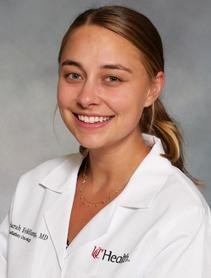
Sarah Feldkamp, MD. Photo/University of Cincinnati.
In the study, the team reviewed 94 patients with liver cancer treated with EBRT from 2016 to 2024, including 15 who were additionally treated with Y90.
“EBRT can be delivered after Y90 without an increase in toxicity,” said Feldkamp, a resident in the Department of Radiation Oncology in UC’s College of Medicine. “These results, though not particularly surprising to our team given collective personal experience, do contradict commonly held assumptions by others in the field.”
Kharofa said the study offers “meaningful reassurance” that EBRT can be offered after Y90 when treatment is carefully individualized to each patient.
“That expands the options we can offer patients with residual or recurrent disease, and I think it will change how some clinicians approach this sequencing question,” said Kharofa, senior advisor and chair of the Protocol Review and Monitoring System at the Cancer Center and professor in the Department of Radiation Oncology in UC’s College of Medicine.
“This research suggests that having had Y90 in the past doesn't automatically close the door on radiation as a next step,” he continued. “The key is working with a team experienced in individualizing treatment plans, and that's exactly the kind of care we aim to provide."
Feldkamp noted that the relatively small size of this patient population makes a follow-up study or larger clinical trial more difficult. However, other institutions conducting similar single- or multisite reviews could provide more clarity on liver toxicity following radiation treatment for liver cancer.
We make research mentorship a priority because we believe residents who engage with the literature and contribute to it become better clinicians.
Jordan Kharofa, MD
Collaboration and hands-on training
In addition to being first author on this published research, Feldkamp recently presented abstracts at the American Society for Radiation Oncology (ASTRO) conference. Kharofa said reaching these accomplishments while also training in the clinic demonstrates Feldkamp’s exceptional drive and the environment the Radiation Oncology department and Cancer Center maintain to help trainees succeed.
“Sarah exemplifies what we hope to cultivate in every resident: genuine intellectual curiosity paired with the discipline to see a research question through from conception to publication,” Kharofa said. “We make research mentorship a priority because we believe residents who engage with the literature and contribute to it become better clinicians. Sarah is a wonderful example of that. I'm incredibly proud of what she's accomplished and excited to see where her career takes her.”
“Seeing research projects come to fruition with guidance and support from my mentors within the department is very fulfilling,” Feldkamp said. “It encourages me to continue pursuing new projects.”
Kharofa added the project was a multidisciplinary endeavor with contributions from residents, medical student trainees, and radiation oncology and radiology faculty members.
“Liver cancer treatment is inherently a team sport, and it's gratifying to see that spirit reflected in the research we produce as well,” he said. “Work like this — generated from our own patient population — is how we move the field forward and improve care for patients right here in Cincinnati."
The next groundbreaking discovery
UC is a powerhouse of discovery and impact as a Carnegie 1 research institution. From pioneering medical research to transformative engineering and social innovation, our faculty and students drive progress that reaches across the world.
Featured photo at top of hands holding a model liver. Photo/Sewcream/iStock.
Related Stories
Cancer Center experts present at national conference
May 27, 2025
University of Cincinnati Cancer Center researchers will present abstracts at the American Society of Clinical Oncology Annual Meeting May 30 to June 3 in Chicago.
Understanding resistance to targeted therapies in head and neck, breast cancer
July 11, 2025

MSN highlighted University of Cincinnati Cancer Center and Cincinnati Veterans Affairs Medical Center research published in the journal Oncotarget that reviewed current research on why Epidermal Growth Factor Receptor-targeted therapies often fail in breast and head and neck cancers.
UC Cancer Center, Varian complete Flash radiotherapy trial enrollment
August 26, 2025

Yahoo Finance highlighted Varian's announcement of the successful completion of enrollment and treatment in the FAST-02 clinical trial targeting painful bone metastases in the thoracic region at the University of Cincinnati Cancer Center.