UC HEALTH LINE: Aging When is it Time to Ask for Help?

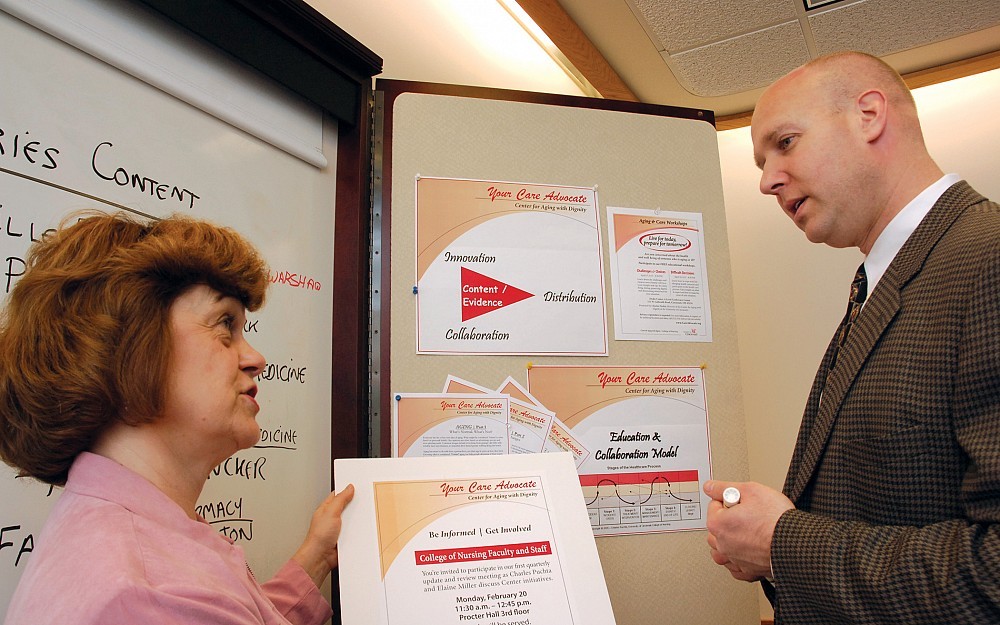
People naturally associate age with the length of time thats passed since their birth, says Charles Puchta, director of the University of Cincinnati College of Nursing Center for Aging with Dignity. Aging really has more to do with how we live and function, as opposed to our physical age or how we look. So how do you know if you or a loved one is aging normally? Normal or successful aging is being able to do all you want to do without being limited by disease, lack of energy or lack of financial resources, says Puchta, a certified senior adviser. Puchta suggests a better measure of age may be how functional people are versus how old they are. When people face limitations that affect their daily living and quality of life, it can be hard to ask for help, he says. It can be a matter of pride and stubbornnessof having been self-sufficient most of their lives and not wanting to burden others. People who see family members regularly may miss the subtle impact aging or illness may have on their loves ones. Family members may not recognize the fact that mom or dad are struggling, says Puchta. Its important to observe your loved one in a variety of situations to help you determine if there are day-to-day activities theyre having problems with. He suggests the following points can help people determine if its time to help loved ones address challenges they may be facing: · Medical condition: Has your loved one been diagnosed with a disease, illness or other medical condition that could influence daily living activities? · Driving: If your loved one drives, is there reason to believe he/she poses an above-average risk for being involved in an accident? · Behavior: Does your loved one seem anxious or irritable? Does he/she seem depressed or forget names, places and current events? · Daily tasks: Do basic tasks (e.g., getting ready to go out, preparing a meal, shopping, cleaning, etc.) seem overly challenging, frustrating or time-consuming? · Medication: Can your loved one manage his/her medications properly, including dosage, frequency and changes to prescriptions? Its important that people dont wait until a crisis occurs before learning about resources available to help care for a loved one, says Puchta. If you have concerns, talk to your loved one in a casual and nonthreatening way to understand their perspective. A health-care professional can also offer information and guidance. According to the National Family Caregivers Association, more than 50 million people provide care for a chronically ill, disabled or aged family member or friend during any given year. The Center for Aging with Dignity focuses on helping people understand their situation, find the information they need to take the appropriate action, and make informed decisions. The center is designed to complement existing services and organizations. For more information on the center, call (513) 558-2428 or visit www.careadvocate.org.
Tags
Related Stories
On-site training in Speech & Hearing Clinic sets UC’s programs apart
August 27, 2026
At the University of Cincinnati’s Speech & Hearing Clinic, Doctor of Audiology and Speech-Language Pathology graduate students gain real-world experience while providing free speech and hearing services to the community.
UC, NKU renew longstanding partnership supporting Army ROTC cadets
August 26, 2026
The University of Cincinnati Army ROTC and Northern Kentucky University (NKU) have renewed a longstanding partnership that supports students preparing to become Army officers and leaders in their communities. The universities formalized the renewed agreement during a signing event Aug. 11 at NKU.
Funding expands UC research into weight gain side effects of bipolar medication
August 26, 2026
University of Cincinnati researchers have been approved for funding by the Patient-Centered Outcomes Research Institute (PCORI) to expand the implementation of healthy lifestyle interventions and metformin prescription to help manage weight gain in overweight or obese youth taking second-generation antipsychotic medications.