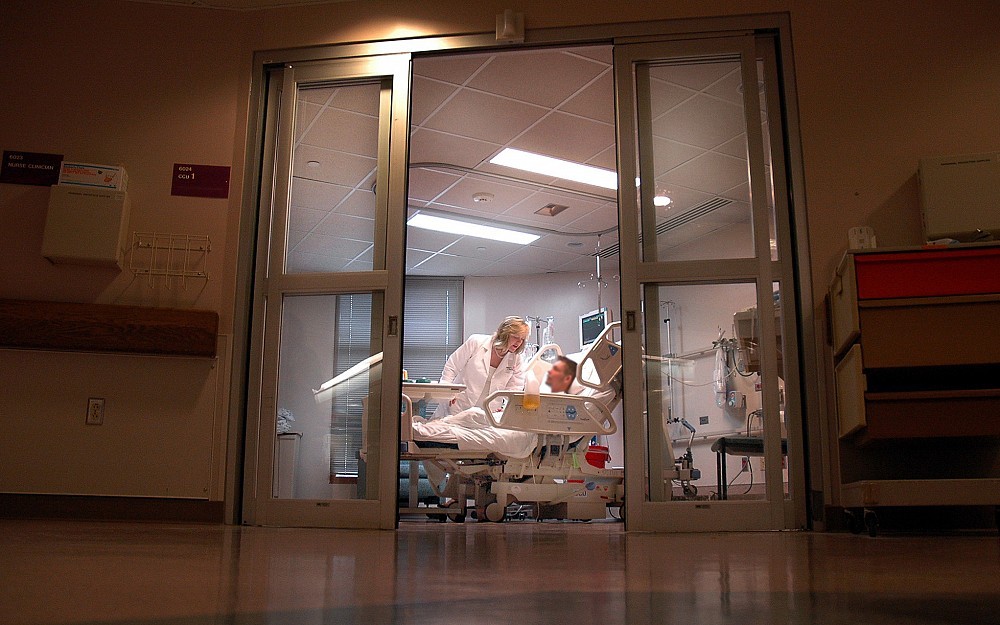
High Blood Sugar Puts Intensive-Care Patients at Higher Risk

The findings will be presented today at the American Diabetes Associations 66th annual scientific sessions (June 913).
Our finding that mortality risk varied depending on the disease that led to a patients hospitalization was consistent with our expectations, says Mercedes Falciglia, MD, assistant professor of medicine at UC and staff endocrinologist at the
But what did surprise us is that intensive-care patients with high blood sugar (hyperglycemia) who had no diagnosis of diabetes were more likely to die than patients with diagnosed diabetes and the same degree of elevated blood sugar.
Researchers at the VA Inpatient Evaluation Center examined the records of 216,000 critically ill patients, 97 percent of whom were male, admitted at 177 VA intensive-care units throughout the country. They found patients with certain diseases and conditions, especially cardiovascular problems such as heart attack and stroke, faced a significantly higher risk of dying.
Hyperglycemia increased heart attack patients risk of death from up to five times that expected among non-hyperglycemic patients of similar age and with similar associated illnesses. Hyperglycemia raised the death risk of stroke patients anywhere from 3.4 to 15.1 times, and that of unstable angina patients from 1.7 to 6.2 times.
Early, small trials have already associated hyperglycemia with increased mortality in hospitalized patients. However, the potential benefits of reducing high blood sugar levels have been questioned, because results from intervention trials with intensive insulin therapy have variedsome trials showing improved outcomes with treatment and others having no effect.
Its not clear why hyperglycemia occurs in hospitalized patients who dont have diagnosed diabetes, nor why they may have worse outcomes in some cases than people with diagnosed diabetes, says Falciglia. Thats why further studies are necessary.
According to Falciglia, intensive-care personnel routinely obtain blood for various tests, including blood sugar levels.
For many of the conditions typically found in the ICU setting its important that someone look at the patients blood sugar level information and act on it, says Falciglia. Physicians are increasing their awareness of the potential harm from hyperglycemia and a systematic approach for lowering sugar levels in hospitalized patients is important in order to do so effectively and safely. The good news is that such initiatives are becoming a priority throughout the country.
Locally, Falciglia is leading a team of physicians, nurses and pharmacists from UC and
Collaborators in the study were Marta Render, MD, professor of pulmonary and critical care and director of the VAs
The American Diabetes Association estimates that 6.2 million Americans have undiagnosed diabetes. Caused by high blood sugar levels resulting from the bodys inability to produce or use insulin, diabetes affects 20.8 million children and adults in the
Tags
Related Stories
Heavy social media use linked to depression
August 31, 2026

U.S. News and World Report, Yahoo! News, MSN, USA Today and other national media highlight a new study by the University of Cincinnati and Northwestern University that found a correlation between heavy social media use and depression in adults.
On-site training in Speech & Hearing Clinic sets UC’s programs apart
August 27, 2026
At the University of Cincinnati’s Speech & Hearing Clinic, Doctor of Audiology and Speech-Language Pathology graduate students gain real-world experience while providing free speech and hearing services to the community.
Funding expands UC research into weight gain side effects of bipolar medication
August 26, 2026
University of Cincinnati researchers have been approved for funding by the Patient-Centered Outcomes Research Institute (PCORI) to expand the implementation of healthy lifestyle interventions and metformin prescription to help manage weight gain in overweight or obese youth taking second-generation antipsychotic medications.