UC Professor Named to Prostate Cancer Conference Committee

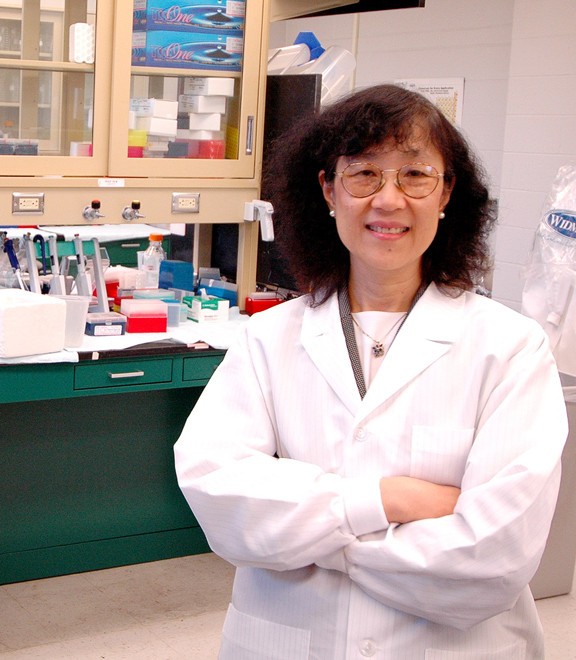
CINCINNATIShuk-mei Ho, PhD, chair of the University of Cincinnatis (UC) environmental health department, has been appointed to the technical planning committee for the 2007 research conference of the U.S. Department of Defense Prostate Cancer Research Program (PCRP).
The inaugural conferenceknown as IMPaCT: Innovative Minds in Prostate Cancer Todaywill bring together about 1,000 leading scientists and prostate cancer advocates from across the world to exchange ideas and explore new avenues that have potential to advance prostate cancer research.
The conference will take place in September 2007 during prostate cancer awareness month. A location is yet to be determined.
As a member of the 19-person committee, Ho will help design and implement all aspects of the conference, including selecting speakers and developing individual group sessions and educational workshops.
"The PCRP has had great success funding high-impact research that addresses health disparities and trains the next generation of prostate cancer researchers, say Ho. "Im thrilled to be part of the team.
Tags
Related Stories
Cancer Center plays key role in lab research, clinical trials for new pancreatic cancer drug
September 1, 2026

WLWT and WCPO highlighted the contributions of University of Cincinnati Cancer Center researchers that helped lead to the recent FDA approval of daraxonrasib, a new treatment for pancreatic cancer.
Cancer Center physician receives $150,000 New Investigator Research Grant to study treatment-resistant leukemia
September 1, 2026
The University of Cincinnati Cancer Center’s Sarah Skuli, MD, PhD, received a two‑year, $150,000 Leukemia Research Foundation New Investigator Grant to study TP53‑mutated leukemia, a treatment‑resistant subtype with very poor outcomes.
Heavy social media use linked to depression
August 31, 2026

U.S. News and World Report, Yahoo! News, MSN, USA Today and other national media highlight a new study by the University of Cincinnati and Northwestern University that found a correlation between heavy social media use and depression in adults.