UC HEALTH LINE: Implantable Birth Control New Option for Women

CINCINNATIA single-rod implantable contraceptive that has been available in other countries since 1998 is now being used in the United States, including in the Cincinnati area.
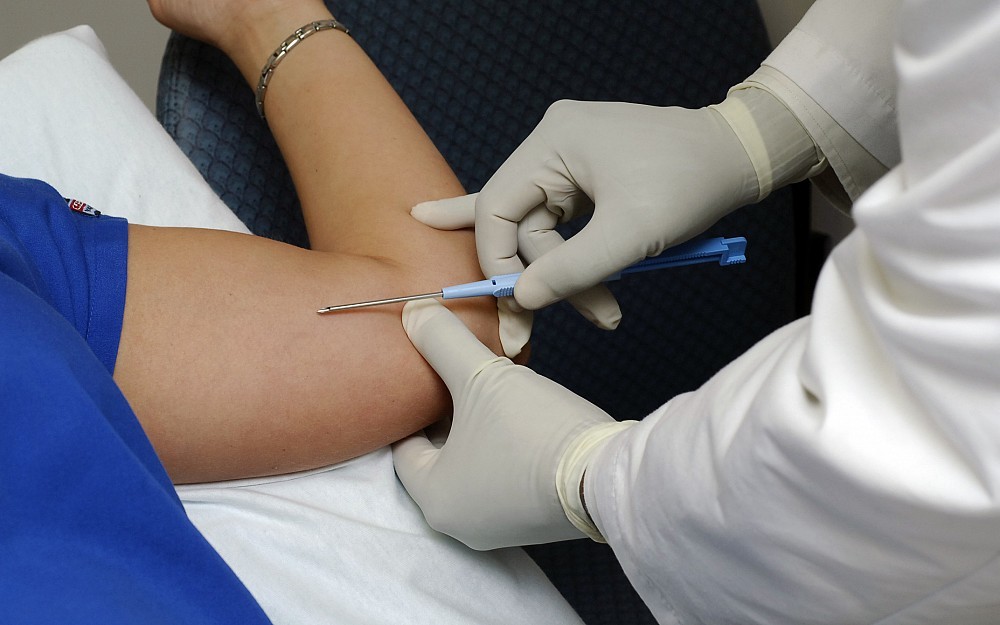
The implant is injected underneath the skin of the upper arm during an in-office procedure that takes about one minute. The implant, the size of a matchstick, releases a steady stream of the female hormone etonogestrel (Implanon) over a three-year period.
This is a great option for women who cant take pills or dont easily tolerate other birth control options like IUDs and the patch, says University of Cincinnati (UC) fertility expert and contraceptive researcher Michael Thomas, MD.
Etonogestrel works by thickening the cervical mucus, which prevents sperm from fertilizing an egg and also stops any egg that does get fertilized from implanting itself in the uterine wall. Etonogestrel completely inhibits the release of eggs from the ovaries during the first two years. In the third year, it begins to lose its effectiveness.
Women who use this form of birth control dont have to worry about taking a pill every day or changing their birth control ring every month, says Thomas. Its a great long-term option.
Thomas cautions, however, that the implant is not for everyone. Unfortunately, irregular bleeding is a side effect. Women have to be willing to tolerate this possibility. Also, women who experience heavy bleeding or are significantly overweight may want to consider other birth control options.
Thomas is a physician with UCs Center for Reproductive Health, which has expertise in infertility, menopause and endocrinological disorders. Established in 1988, its the only comprehensive patient care and research unit focused on womens health in the
Thomas has no financial interest in Organon

Michael Thomas, MD, shows the matchstick size implantable birth control now available for women.
Tags
Related Stories
Cancer Center plays key role in lab research, clinical trials for new pancreatic cancer drug
September 1, 2026

WLWT and WCPO highlighted the contributions of University of Cincinnati Cancer Center researchers that helped lead to the recent FDA approval of daraxonrasib, a new treatment for pancreatic cancer.
Cancer Center physician receives $150,000 New Investigator Research Grant to study treatment-resistant leukemia
September 1, 2026
The University of Cincinnati Cancer Center’s Sarah Skuli, MD, PhD, received a two‑year, $150,000 Leukemia Research Foundation New Investigator Grant to study TP53‑mutated leukemia, a treatment‑resistant subtype with very poor outcomes.
Heavy social media use linked to depression
August 31, 2026

U.S. News and World Report, Yahoo! News, MSN, USA Today and other national media highlight a new study by the University of Cincinnati and Northwestern University that found a correlation between heavy social media use and depression in adults.