UC HEALTH LINE: For Parkinson's Prevention, Is Espresso Worth a Shot?

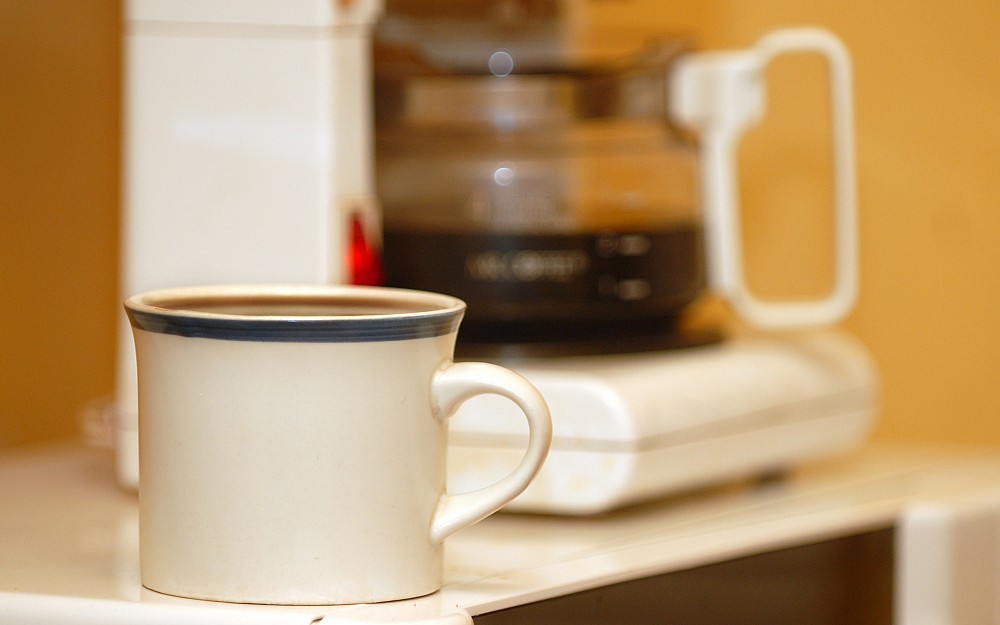
And now, says UC neurologist Alberto Espay, MD, coffeeparticularly its natural stimulant known as caffeineis turning heads as a possible prevention for Parkinsons disease.
Recent studies have shown that coffee drinkers are less likely to develop Parkinsons. And new laboratory studies have looked at how caffeine works in the brain and determined that it can enhance the effects of the most common drug given to Parkinsons patients, levodopa.
In fact, scientists are currently working on drugs for Parkinsons that act on the brain in the same way caffeine does, says Espay.
With all we know about coffee, Espay says, if you drink it, keep drinking. And if you dont, it wouldnt hurt to start.
Its unclear what amount of coffee must be consumed to have the most benefit, he adds. But because coffee has no clear health risks, go for it. Just be sure to talk with your doctor first if you have high blood pressure or other health concerns.
Parkinsons is a disease that results from the loss of a group of brain cells that produce the natural neurotransmitter dopamine. Without dopamine, brain nerve cells dont fire properly, causing an inability to control movement.
The most visible signs of the diseasetremors, difficulty with gait and balance, rigidity and stiffness or general slowness when movingare blamed on this lack of dopamine production in the brain.
But, Espay says, there are other signs and symptoms of Parkinsons disease that usually appear much earlier and are not directly related to insufficient dopamine. They include sleep difficulties, loss of sense of smell, constipation and depression.
The Parkinsons Disease Foundation estimates as many as 1 million Americans have Parkinsons disease and many go undiagnosed.
Tags
Related Stories
UC radiation oncologist speaks with Local 12 news about clinical trial for head and neck cancer treatment
August 10, 2026

Dr. Sara Medek, a UC radiation oncology professor, speaks with Local 12 news about a new clinical trial aimed at reducing radiation in certain areas while still treating cancer effectively but with fewer painful side effects.
Cancer Center director charts future based on collaboration, AI
August 10, 2026

David Gius, MD, PhD, was featured in a Cincinnati Business Courier article and The Cancer Letter’s “The Directors" podcast discussing his priorities and goals as he recently took the helm as director of the University of Cincinnati Cancer Center.
Bidirectional link between oral, kidney health calls for patient education, access
August 4, 2026

Despite growing awareness of the connection between oral health and chronic health conditions, patient awareness and access to dental care remain limited, according to University of Cincinnati experts who recently spoke with Healio | Nephrology News & Issues.