Bone Marrow Stem Cells May Cure Eye Disease

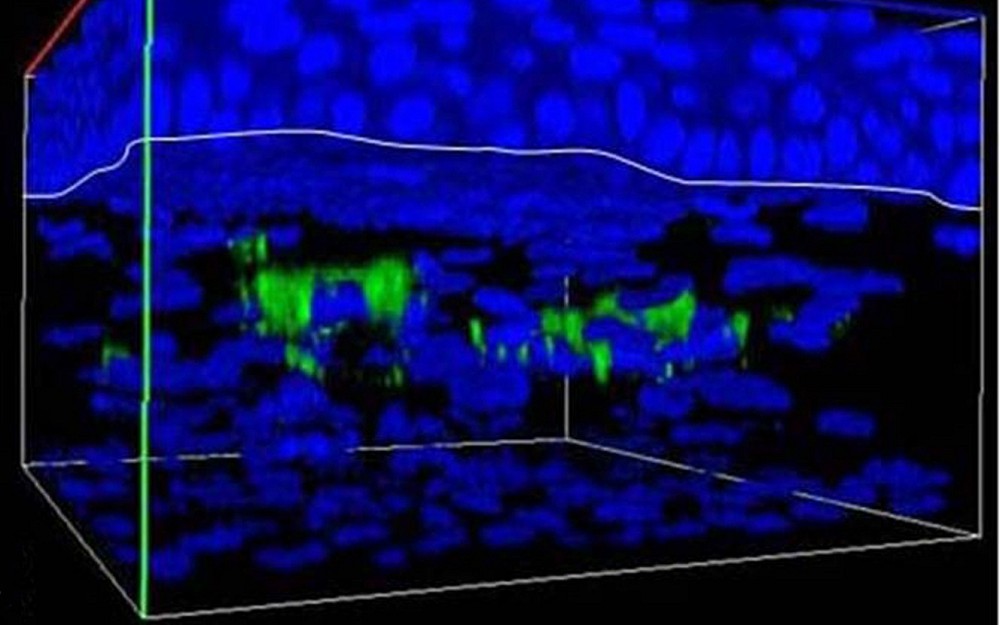
Scientists have completed a study using mice which showed that bone marrow stem cells can switch roles and produce keratocan, a natural protein involved in the growth of the corneathe transparent, outer layer of the eyeball. This ability of marrow cells to differentiate into keratocan-producing cells might provide a means for treating abnormal corneal cell growth in people.
Winston Whei-Yang Kao, PhD, professor of ophthalmology, and Hongshan Liu, PhD, research scientist in the department of ophthalmology, will present their findings at the annual meeting of the Association for Research in Vision and Ophthalmology being held in
In the laboratory, the researchers induced corneal abnormalities that mimicked genetic eye mutations and then injected bone marrow stem cells into the corneas to see if they altered the mutations.
The study showed that after only one week, the abnormal corneas of animal models injected with bone marrow stem cells began to change shape and heal.
We found that bone marrow stem cells can contribute to the formation of connective tissues, Kao said. If we can change the function of non-corneal bone marrow stem cells by introducing them into human corneas, we can possibly repair the loss of visual sharpness caused by mutations.
Kao and his coworkers are now planning a clinical trial. If the trial succeeds, Kao said, the procedure could help prevent blindness in future generations who suffer from genetic corneal diseases.
He added that cornea transplants have been successful to some degree but do not always eliminate the problem.
When the donor cells disappear after a few years, the corneal disease often reoccurs, he said. However, if we can place the stem cells inside the cornea, they will repair the lost function of the mutated gene, and stem cells can presumably renew themselves and maintain effective treatment longer, if not forever.
This study was funded by grants from the National Eye Institute, Research to Prevent Blindness, and Ohio Lions Eye Research Foundation.

Winston Whei-Yang Kao, PhD, professor of ophthalmology
Tags
Related Stories
On-site training in Speech & Hearing Clinic sets UC’s programs apart
August 27, 2026
At the University of Cincinnati’s Speech & Hearing Clinic, Doctor of Audiology and Speech-Language Pathology graduate students gain real-world experience while providing free speech and hearing services to the community.
Funding expands UC research into weight gain side effects of bipolar medication
August 26, 2026
University of Cincinnati researchers have been approved for funding by the Patient-Centered Outcomes Research Institute (PCORI) to expand the implementation of healthy lifestyle interventions and metformin prescription to help manage weight gain in overweight or obese youth taking second-generation antipsychotic medications.
One in four NFL players had CTE at death
August 25, 2026

Forbes cites research on concussions and football helmets by the University of Cincinnati in a report that found one in four NFL players had brain damage at death.