Local Benadryl Inventor Gives $1 Million to Benefit Type 2 Diabetes Research

The gift will establish the Rieveschl Medicine Fund to support the work of UC family medicine researcher Robert Smith, MD.
Smith, professor emeritus and founder of the UC family medicine program, is studying how a single gene in the human body may determine whether a patient with type 2 diabetes will respond favorably to anti-diabetic drugs.
We are focusing on the possibility that some type 2 diabetes patients have variations in their genes that influence the way they respond to treatment, Smith says. If we could tell ahead of time what drug will be most effective for a patient due to their genetic makeup, it would be a major step forward for diabetes treatment in doctors offices everywhere.
George Rieveschl, who died Sept. 27, 2007, was a long-time supporter of the UC College of Medicine and the university. A vice president emeritus and 1937 alumnus of UC, Rieveschl was best known for discovering the worlds first commercial antihistamine, Benadryl, while a chemistry professor at UC in the 1940s.
Dr. Smith is a very close and dear friend, and Georges personal physician for more than 30 years, says wife Ellen Rieveschl. Hes made huge contributions to the field of medicineand pioneered family medicine training at medical schools here and abroad. We hope our gift will help move his project forward and perhaps provide a model for other applicable research projects.
In 2003, the Rieveschls funded a $300,000 diabetes pilot project based in UCs three family medicine clinical practices. The new fund will expand Smiths research into other family medicine practices throughout Greater Cincinnati.
We are most grateful to Ellen and the late George Rieveschl for their wonderful generosity and for their warm friendship over many years, says Smith. With their support, we will be able to access more regional data that might eventually translate into doctors making better decisions on how to treat diabetic patients.
Type 2 diabetes occurs when the body does not produce enoughor ignores the absorption ofinsulin. Created inside the pancreas, insulin is a hormone that converts sugar, starches and other food into energy needed for the body. The UC Diabetes Center estimates that 200,000 people in Greater Cincinnati will be diagnosed with type 2 diabetes by 2010.

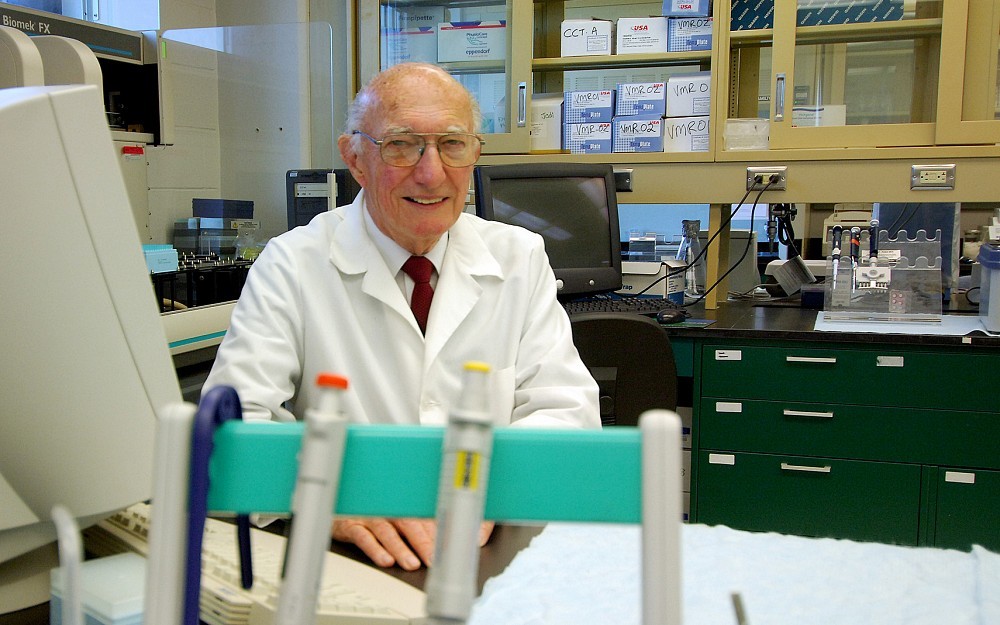
Robert Smith, MD, professor emeritus of family and community medicine.

Robert Smith, MD, founder of the UC Headache Center

George Rieveschl, PhD

George and Ellen Rieveschl

George Rieveschl, PhD, discovered Benadryl while serving as a chemical engineering professor at UC. The drug became the first FDA-approved prescription antihistamine.
Related Stories
Selecting noninvasive tests for liver disease diagnosis, monitoring
September 3, 2026

Noninvasive tests have emerged as valuable alternatives for diagnosing, staging and monitoring MASLD and MASH, according to a recent MedCentral report.
Why can it get so hot at times?
September 3, 2026

Cincinnati is experiencing more days of extreme heat this summer than in previous decades, due in large part to warmer global temperatures. But explanations for these higher temperatures also relate to regional factors, including the city's location in a river valley and large proportion of built environment.
UC invests in the next generation of graduate leaders through fellowships focused on mentorship and research
September 3, 2026
The Next Lives Here Presidential Fellowship supports the recruitment of top doctoral students through competitive funding, mentorship and professional development.