UC College of Medicine Strengthens Conflict of Interest Policies

The University of Cincinnati (UC)
The recently approved Policy and Guidelines for Industry Relationshipswhich becomes effective May 15, 2008relates to research and scholarly activity, clinical training, patient care, consulting, collateral employment and technology transfer.
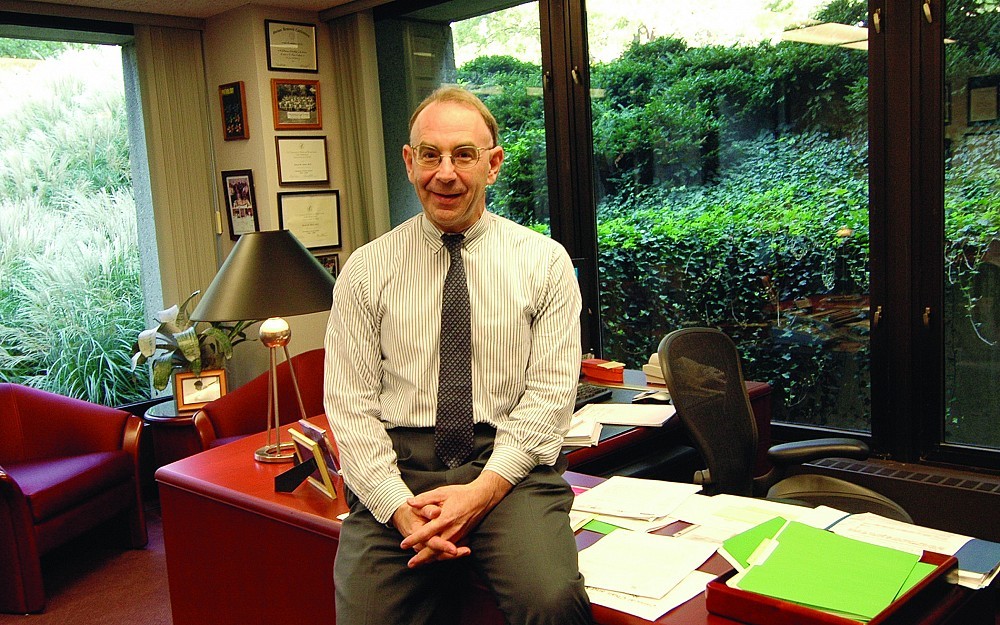
As a medical college, our role is to achieve excellence in research, teaching and patient care by employing the highest ethical standards, says David Stern, MD,
The most significant changes to the Colleges policy are rules dealing with the regulation of pharmaceutical and device company influences on teaching and patient care activities.
The new policy prohibits UC personnel from accepting from industry representatives any gift or other form of compensation unless the payment is for legitimate services. Gifts include, but are not limited to, food, beverages, pharmaceutical or device samples or travel-related expenses. Not included in the list of prohibited gifts are pharmaceutical samples provided for indigent care.
The new policy also prohibits industry representativesother than service personnelfrom being on campus unless they are here for specific appointments with faculty or authorized staff members.
There is a concern that the pharmaceutical industry has an undue influence on prescribing patterns of practicing physicians and that they cultivate this relationship early onas early as medical school, says Andrew Filak, MD, senior associate dean for academic affairs at the UC College of Medicine.
Laura Wexler, MD, professor of medicine and associate dean for student affairs and admissions, says theres substantial research suggesting gifts, lunches, travel support and other types of industry give-aways actually do influence physicianseven when physicians dont think they are being influenced.
We also need to be concerned about the perception of conflict of interest, Wexler says. For example, how does the public, who we serve as physicians and educators, view the activities of the pharmaceutical industry at a college of medicine?
Filak says there is a growing body of literature on the marketing tactics and influence of industry, and that a number of physicians and students are taking a stance against the common practices employed by some pharmaceutical companies, including the provision of gifts and lunches.
In contrast to industry gifts, Wexler and Filak acknowledge that industry support of medical research is a more complicated topic. Many investigators feel very strongly that industry research supportwhich UC increased by 40 percent in 2007is essential to innovative medical discoveries and is a major driver for drug and device development. UCs new policy reiterates and clarifies the Colleges guidelines for the conduct and reporting of industry-sponsored research.
Filak and Wexler both agree the policies created by the

College of Medicine Dean and Vice President for Health Affairs David Stern, MD

David Stern, MD, was appointed dean of the College of Medicine on Aug. 1, 2005.
Related Stories
Selecting noninvasive tests for liver disease diagnosis, monitoring
September 3, 2026

Noninvasive tests have emerged as valuable alternatives for diagnosing, staging and monitoring MASLD and MASH, according to a recent MedCentral report.
Why can it get so hot at times?
September 3, 2026

Cincinnati is experiencing more days of extreme heat this summer than in previous decades, due in large part to warmer global temperatures. But explanations for these higher temperatures also relate to regional factors, including the city's location in a river valley and large proportion of built environment.
UC invests in the next generation of graduate leaders through fellowships focused on mentorship and research
September 3, 2026
The Next Lives Here Presidential Fellowship supports the recruitment of top doctoral students through competitive funding, mentorship and professional development.