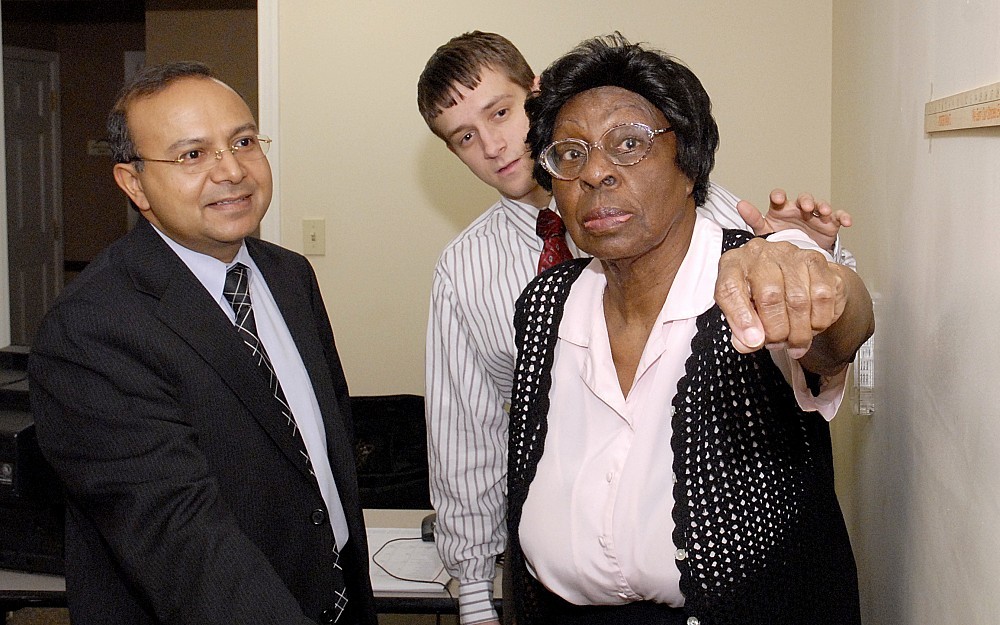
Simple Tests Can Prevent Falls in the Elderly, Study Shows

But UC researchers are trying to see if that risk can be reduced by simply teaching the elderly to detect their own chances of taking a spill.
According to a random survey by the task force, almost 8 percent of
The study found that a number of simple, clinically proven tests can identify people at risk for falling.
We hope to increase awareness in the community so that patients can administer these tests by themselves and prevent falls, Modawal says.
The studys findings will be presented April 12 at the Ohio Family Medicine Symposium on Research and Education at the Cherry Valley Lodge in
We researched differences in fall risk and functional measures between assisted living facility residents and independent living older adults, Modawal says. We found that these tests can accurately and efficiently assess balance and gait problems in the elderly.
Researchers recruited residents from two assisted living facilities and from those who lived independently but attended a senior center.
They used physical tests that measured the amount of time it took participants to stand up from a chair, walk, turn around and sit down again (timed get-up-and-go test), how far they could reach in front of them without losing balance (functional reach test), and how long they could stand on one foot (single-leg stance).
Overall, residents of assisted living facilities had more history of falls and struggled more with the function measures, therefore having a greater chance of falling.
The participants medications, exercise habits, past fall histories and medical conditions were also taken into consideration.
The results showed that participants who were on cardiac or osteoporosis medications and exercised regularly were able to walk more quickly and accurately and could reach further.
Now, we must study the best ways to teach these tests to at-risk populations, Modawal says. We need to show patients that completing these tests is as simple and routine, but as important, as taking their own blood pressure.
Besides these tests, older people need to take disease conditions, medications and environmental factors, such as a loose rug or slippery floors, into consideration for contributing to falls.
Even poor vision, hearing and non-use of hearing aids or glasses can throw off a persons balance, Modawal adds. There are many other risk factors in the elderly that can really cause problems, and even the first fall can be fatal.
Modawal says these tests are very cost effective and have potential to make the most impact in fall prevention efforts.
If we can promote these tests, we can keep our older population safe, functional and independent for years to come, he says.
This study was funded in part by a summer scholar award given to Robert Altenau, a third-year medical student, and by the American Federation of Aging Research.
Tags
Related Stories
On-site training in Speech & Hearing Clinic sets UC’s programs apart
August 27, 2026
At the University of Cincinnati’s Speech & Hearing Clinic, Doctor of Audiology and Speech-Language Pathology graduate students gain real-world experience while providing free speech and hearing services to the community.
Funding expands UC research into weight gain side effects of bipolar medication
August 26, 2026
University of Cincinnati researchers have been approved for funding by the Patient-Centered Outcomes Research Institute (PCORI) to expand the implementation of healthy lifestyle interventions and metformin prescription to help manage weight gain in overweight or obese youth taking second-generation antipsychotic medications.
One in four NFL players had CTE at death
August 25, 2026

Forbes cites research on concussions and football helmets by the University of Cincinnati in a report that found one in four NFL players had brain damage at death.