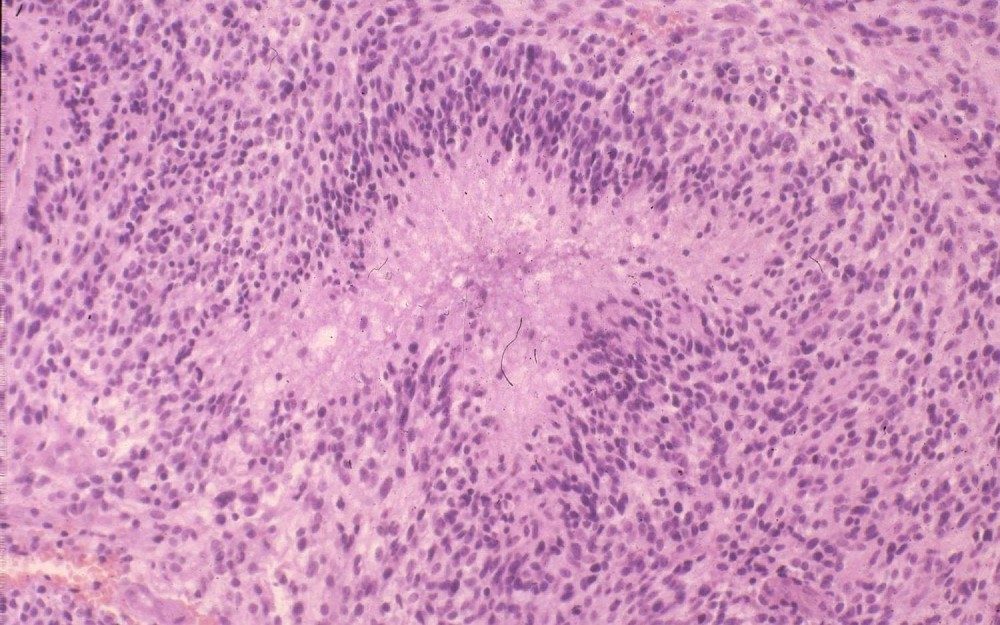
Patient-Specific Brain Cancer Vaccine May Help Prevent Recurrence

Led locally by University of Cincinnati (UC) oncologist Margie Gerena-Lewis, MD, this phase-2 experimental vaccination trial, sponsored by Northwest Biotherapeutics, aims to find a more effective way of treating a certain type of cancerous brain tumor known as glioblastoma multiforme (GLEE-oh-blas-TOH-muh MUL-tih-form), or GBM.
GBM is a fast-growing tumor that occurs in the central nervous system and can seriously impair brain function.
This type of tumor most often occurs in adults between age 45 and 70. Symptoms can include headaches, seizures, difficulty learning or comprehending information, personality changes or paralysis.
Gerena-Lewis says GBM is very aggressive and difficult to treat.
Glioblastoma multiforme is considered treatable but not curable with current modalities. It tends to come back after surgery, radiation and chemotherapy, says Gerena-Lewis, an assistant professor at UC and medical oncologist at the UC Barrett Cancer Center at
According to the American Cancer Society, nearly 22,000 American adults will be diagnosed with a malignant brain tumor in 2008. The five-year survival rate for patients with high-grade GBM is just 2 percent.
UC is looking for 30 patients, ages 18 to 70, with a newly diagnosed GBM that is surgically accessible and could be totally, or almost entirely removed to participate in this multicenter, placebo-controlled clinical trial. About 270 patients are expected to enroll in the study nationwide.
The fresh tumor tissue must be processed the day of the surgery in order to be able to develop the vaccine, explains Gerena-Lewis. Our goal is to stimulate the bodys immune system to recognize and fight the tumor cells.
After the tumor is surgically removed, the fresh tumor tissue will be immediately sent to a laboratory where it is processed (tumor lysate). At a later time, a specific type of white blood cell (monocyte) will be harvested from the patient through a process called leukapheresis to be done at
This trial represents the future of cancer therapy: personalized medicine, explains Gerena-Lewis. We are using the patients own cells to create a customized vaccine that can trigger the immune system to recognize and destroy cancer cells.
Patients will be randomized into one of two treatment arms to receive either the DCVAX-Brain treatment or a placebo. All patients will receive combined chemotherapy and radiation therapy followed by additional chemotherapy. Individuals who experience disease progression after the initial combined chemotherapy and radiation will be included in an informational arm of the study and also be eligible to receive the vaccine.
Study participants will receive up to 10 immunizations of DCVAX-Brain or a placebo over the course of three years. Injections are given at set intervals in the upper arm under the skin.
We are hopeful that vaccine therapy will be the Holy Grail that will lead to a cure for glioblastoma multiforme, says Ronald Warnick, MD, director of the UC Brain Tumor Center. The center is closely affiliated with the
This trial is currently open at 10 centers nationwide, and expected to open at many more.
Gerena-Lewis, Warnick and their colleagues have no financial interest in
For trial enrollment information, call Jamie McGuire at (513) 584-2207.
This multidisciplinary clinical research team is affiliated with the UC Brain Tumor Center, a center of excellence within the Neuroscience Institute at UC and
Related Stories
On-site training in Speech & Hearing Clinic sets UC’s programs apart
August 27, 2026
At the University of Cincinnati’s Speech & Hearing Clinic, Doctor of Audiology and Speech-Language Pathology graduate students gain real-world experience while providing free speech and hearing services to the community.
Designing with cancer patients' needs in focus
August 27, 2026
Kristina Shin is designing garments that prioritize the comfort, function and confidence of breast cancer patients, addressing a need often overlooked by traditional fashion.
UC, NKU renew longstanding partnership supporting Army ROTC cadets
August 26, 2026
The University of Cincinnati Army ROTC and Northern Kentucky University (NKU) have renewed a longstanding partnership that supports students preparing to become Army officers and leaders in their communities. The universities formalized the renewed agreement during a signing event Aug. 11 at NKU.