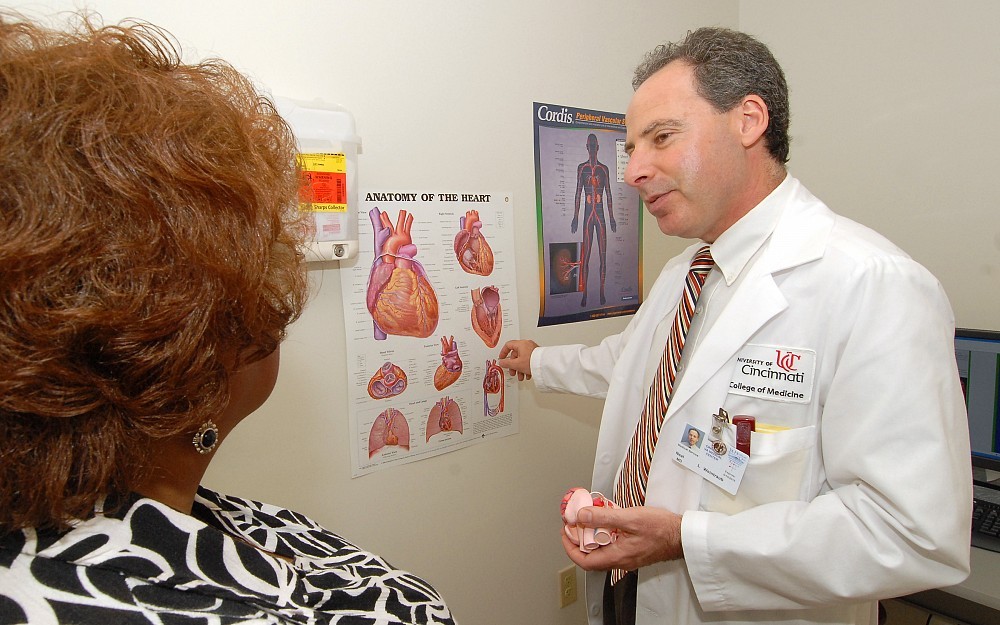
UC HEALTH LINE: Caution! Summer Heat Harmful for Heart Patients

Experts at the University of Cincinnati urge people with cardiovascular disease to take extra precautions during the summer months to avoid major health problems. It doesnt take a lot of exertion for those with heart conditions to become ill during hot weather spells, says Neal Weintraub, MD, director of the cardiovascular diseases division at UC. Strenuous activities in this weather can cause heat exhaustion or heat stroke in healthy individuals. Those who have heart problems have a two-fold chance of being affected by heat and can even die from extreme heat stress. Our bodies typically maintain a temperature of about 98.6 degrees, and the body instantly tries to cool itself down by sweating and dilating blood vessels if its temperature even rises slightly. The evaporating sweat cools the body, and as a result of the larger blood vessel size, the heart beats faster and blood pressure decreases. Weintraub says that increased heart rate and lower blood pressure can cause problems for those with heart disease. It can be very stressful on the cardiovascular system, he says. People with weaker hearts may not be able to pump blood efficiently enough to keep the body cool and the blood pressure at a high enough level. As a result, body temperatures may rise to dangerous levels. He adds that some medications taken by heart patients could also cause problems in extreme heat. Beta-blockers, which are commonly prescribed to people with heart conditions, can prevent the heart from beating as rapidly as it needs to during hot weather, thereby limiting the body's ability to cool down, Weintraub says. In order to stay healthy in hot weather, people with heart disease should: Weintraub says it is a good idea to check on friends, coworkers and loved ones regularly if the heart condition is really serious.
"Taking the proper precautions can significantly reduce chances of suffering from heat-related illness," he adds. Its important to know your risks and to pay attention to your bodys warning signs while still enjoying your summer.
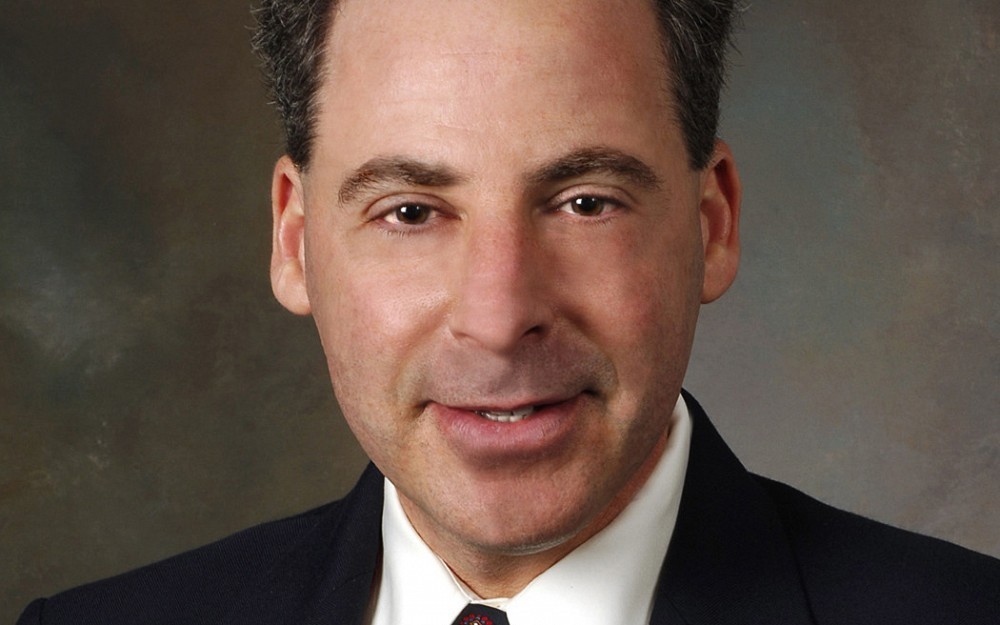
Neal Weintraub, MD, director of the cardiovascular diseases division
Tags
Related Stories
Cancer Center plays key role in lab research, clinical trials for new pancreatic cancer drug
September 1, 2026

WLWT and WCPO highlighted the contributions of University of Cincinnati Cancer Center researchers that helped lead to the recent FDA approval of daraxonrasib, a new treatment for pancreatic cancer.
Cancer Center physician receives $150,000 New Investigator Research Grant to study treatment-resistant leukemia
September 1, 2026
The University of Cincinnati Cancer Center’s Sarah Skuli, MD, PhD, received a two‑year, $150,000 Leukemia Research Foundation New Investigator Grant to study TP53‑mutated leukemia, a treatment‑resistant subtype with very poor outcomes.
Heavy social media use linked to depression
August 31, 2026

U.S. News and World Report, Yahoo! News, MSN, USA Today and other national media highlight a new study by the University of Cincinnati and Northwestern University that found a correlation between heavy social media use and depression in adults.