Cancer Drug Effectively Treats Transplant Rejections

Results of the study are published in the Dec. 27, 2008, edition of the journal Transplantation.
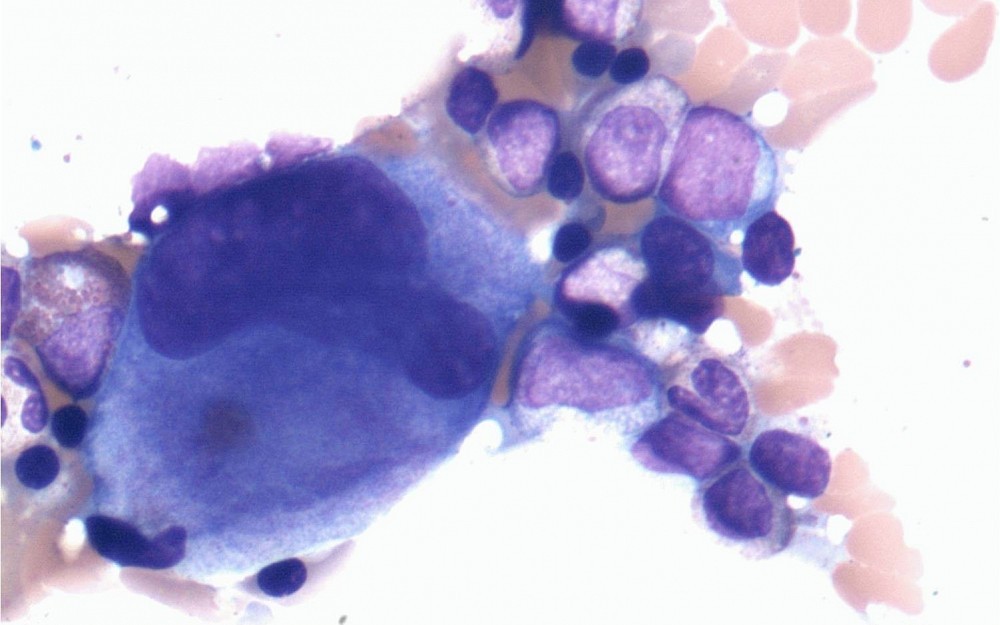
Steve Woodle, MD, and colleagues found that a cancer drugbortezomibused to treat multiple myeloma, or cancer of the plasma cells, is effective in treating rejection episodes caused by antibodies that target transplanted kidneys and reversing rejection episodes that did not respond to standard therapies.
B-lymphocytes, or B cells, play a large role in the humoral immune response by making immune proteins that attack transplanted organs.
We found a body of literature demonstrating that bortezomib works well in suppressing transplant rejection in the laboratory, says Woodle, lead author of the study and chief of transplant surgery at UC. Moreover, it worked well in models of autoimmune diseases.
T-lymphocytes, or T cells, are white blood cells that were commonly thought to cause the rejection of transplanted organs.
Woodle and his team began searching for agents that targeted plasma cells in 2005.
It has become clear that plasma cells and the antibodies they produce play a bigger role in rejection than previously thought, and the development of therapies targeting these cells has lagged, he says. We realized that current therapies dont target the plasma cells which may produce the antibody, in general.
Researchers administered this drug to six kidney transplant recipients with treatment-resistant organ rejection, evaluating and recording their responses to the treatment.
In each case, treatment with the drug provided prompt rejection reversal, prolonged reductions in antibody levels and improved organ function with suppression of recurrent rejection for at least five months.
Jason Everly, a board-certified oncology pharmacist in the division of transplant surgery at UC and co-author of the study, says the toxicities associated with this drug were predictable and manageable and were much less than those associated with other anti-cancer agents.
We are pleased to see its toxicities are similar in transplant recipients suffering from treatment-resistant mixed organ rejection, he adds. We hope it will be a viable therapeutic treatment option in this patient group.
Woodle says although this data is promising, it is difficult to overestimate the implications of this drug.
We have an immunosuppressive agent that for the first time can target antibody-producing plasma cells with an efficacy similar to drugs that target T cells, he says. This has significant implications for transplantation and auto immune disease.
UC researchers are currently conducting four industry-supported clinical trials to expand these findings.
This research was investigator-initiated. In addition to grants, researchers have received honoraria from the manufacturer of bortezomib.
Tags
Related Stories
Cancer Center plays key role in lab research, clinical trials for new pancreatic cancer drug
September 1, 2026

WLWT and WCPO highlighted the contributions of University of Cincinnati Cancer Center researchers that helped lead to the recent FDA approval of daraxonrasib, a new treatment for pancreatic cancer.
Cancer Center physician receives $150,000 New Investigator Research Grant to study treatment-resistant leukemia
September 1, 2026
The University of Cincinnati Cancer Center’s Sarah Skuli, MD, PhD, received a two‑year, $150,000 Leukemia Research Foundation New Investigator Grant to study TP53‑mutated leukemia, a treatment‑resistant subtype with very poor outcomes.
Heavy social media use linked to depression
August 31, 2026

U.S. News and World Report, Yahoo! News, MSN, USA Today and other national media highlight a new study by the University of Cincinnati and Northwestern University that found a correlation between heavy social media use and depression in adults.